
Huawei Unveils New Chip Design Strategy Amid U.S. Sanctions
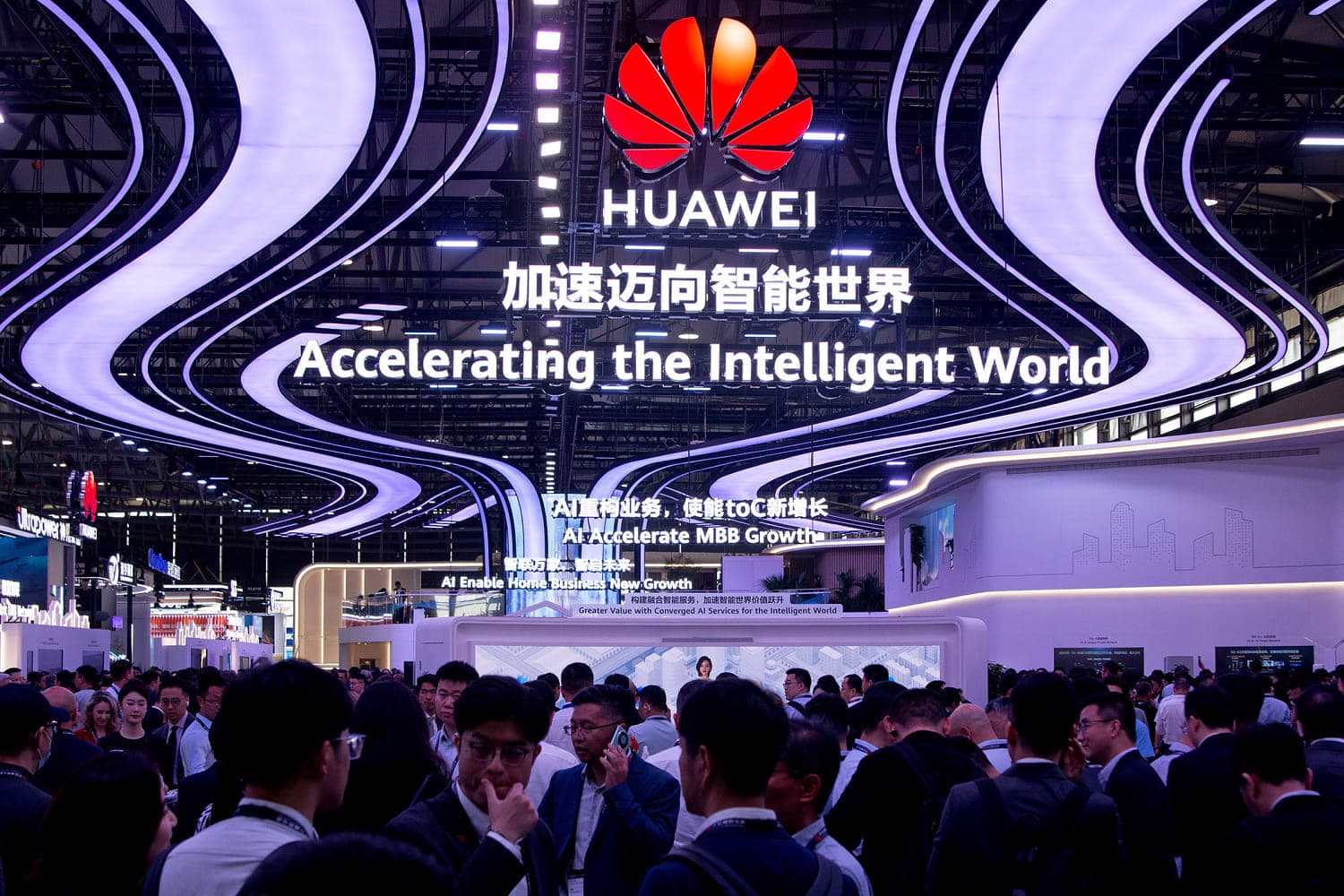
Here's what it means for you.
The evolution of Huawei's semiconductor capabilities could reshape the competitive landscape of global technology.
Why it matters
This development highlights the ongoing struggle for technological supremacy amid geopolitical tensions.
What happened (in 30 seconds)
- Huawei announced a new chip design strategy on May 25, 2026, aiming for high-end semiconductor production by 2031.
- The company introduced the 'Tau Scaling Law' and 'LogicFolding' architecture to enhance transistor density and efficiency.
- Despite U.S. sanctions, Huawei claims these innovations will allow it to compete with industry leaders like Intel and TSMC.
The context you actually need
- U.S. restrictions on semiconductor technology exports have severely limited China's access to advanced manufacturing equipment.
- China's push for self-sufficiency in semiconductor production has intensified, with companies like Huawei leading the charge.
- The semiconductor industry is crucial for technological advancement and economic competitiveness, making these developments particularly significant.
What's really happening
Huawei's announcement on May 25, 2026, marks a pivotal moment in the ongoing battle for semiconductor supremacy, particularly in the context of U.S.-China relations. The company's ambitious goal to design chips with a transistor density comparable to a 1.4-nanometre process by 2031 is a bold assertion of its intent to innovate despite external pressures. The introduction of the 'Tau Scaling Law' signifies a shift in focus from traditional transistor miniaturization to enhancing signal transmission speeds, which could redefine how chip performance is measured.
The 'LogicFolding' architecture aims to tackle the challenges of resistive and capacitive loads, thereby increasing effective transistor density without relying on the advanced manufacturing tools that are currently restricted by U.S. sanctions. This approach could potentially allow Huawei to circumvent some of the limitations imposed by these sanctions, positioning the company as a formidable competitor in the semiconductor market.
However, skepticism remains among industry analysts regarding Huawei's ability to achieve these ambitious goals without access to cutting-edge manufacturing tools. The lack of independent performance data raises questions about the feasibility of Huawei's claims. While the company asserts that its innovations will enable it to produce competitive chips, the reality of executing such a strategy remains uncertain.
The broader implications of Huawei's advancements extend beyond the company itself. As the Chinese government continues to push for self-sufficiency in semiconductor production, Huawei's innovations could serve as a catalyst for other Chinese firms to explore alternative methods for chip development. This could lead to a significant shift in the global semiconductor landscape, where competition is increasingly driven by innovation rather than access to traditional manufacturing capabilities.
Moreover, the ongoing U.S. sanctions are likely to continue shaping the competitive dynamics in the semiconductor market. As Huawei and other Chinese companies strive to innovate, the U.S. may respond with further restrictions or measures to maintain its technological edge. This tug-of-war could have far-reaching consequences for global supply chains and technological collaboration.
Who feels it first (and how)
- Tech companies: Competitors like Intel and TSMC may need to adjust their strategies in response to Huawei's advancements.
- Investors: Those in the semiconductor sector will closely monitor Huawei's progress and its implications for market dynamics.
- Governments: Policymakers in the U.S. and China will be impacted by the evolving landscape of semiconductor production and technology.
What to watch next
- Performance data: Keep an eye on any independent assessments of Huawei's new chip designs, as they will indicate the viability of its claims.
- U.S. government response: Watch for any new sanctions or policy changes from the U.S. that could affect Huawei's operations and the broader semiconductor market.
- Investment trends: Monitor shifts in investment towards semiconductor technology in China and the UAE, as local capabilities may be bolstered by Huawei's innovations.
Huawei has announced a new chip design strategy and introduced innovative architectures.
The competitive landscape in the semiconductor market will continue to evolve as companies adapt to new technologies.
The feasibility of Huawei's ambitious goals without access to advanced manufacturing tools remains uncertain.
Frequently Asked Questions
- Why it matters?
- This development highlights the ongoing struggle for technological supremacy amid geopolitical tensions.
- What happened (in 30 seconds)?
- Huawei announced a new chip design strategy on May 25, 2026, aiming for high-end semiconductor production by 2031. The company introduced the 'Tau Scaling Law' and 'LogicFolding' architecture to enhance transistor density and efficiency. Despite U.S. sanctions, Huawei claims these innovations will allow it to compete with industry leaders like Intel and TSMC.
- What's really happening?
- Huawei's announcement on May 25, 2026, marks a pivotal moment in the ongoing battle for semiconductor supremacy, particularly in the context of U.S.-China relations. The company's ambitious goal to design chips with a transistor density comparable to a 1.4-nanometre process by 2031 is a bold assertion of its intent to innovate despite external pressures. The introduction of the 'Tau Scaling Law' signifies a shift in focus from traditional transistor miniaturization to enhancing signal transmissi
- Who feels it first (and how)?
- Tech companies: Competitors like Intel and TSMC may need to adjust their strategies in response to Huawei's advancements. Investors: Those in the semiconductor sector will closely monitor Huawei's progress and its implications for market dynamics. Governments: Policymakers in the U.S. and China will be impacted by the evolving landscape of semiconductor production and technology.
- What to watch next?
- Performance data: Keep an eye on any independent assessments of Huawei's new chip designs, as they will indicate the viability of its claims. U.S. government response: Watch for any new sanctions or policy changes from the U.S. that could affect Huawei's operations and the broader semiconductor market. Investment trends: Monitor shifts in investment towards semiconductor technology in China and the UAE, as local capabilities may be bolstered by Huawei's innovations.
Global business headlines with AI angles.
"General business outlet that frequently covers AI."
— A47 Editor
Huawei Claims Chip Design Breakthrough As US-China Tech Rivalry Intensifies
Huawei has announced a significant breakthrough in chip design, claiming advancements that could lead to the production of 1.4-nanometer chips, amidst intensifying US-China tech rivalry and increasing demand for AI technologies. This announcement coi...
Covers consumer technology, electronics, gadgets, and product reviews.
"Engadget is a trusted source for gadget reviews and consumer tech news, known for its hands-on analysis and industry coverage."
— A47 Editor
Huawei claims it will make cutting-edge semiconductors by 2031
Huawei has announced its ambitious plan to produce cutting-edge semiconductors by 2031, claiming that these next-generation chips will be both feasible and affordable. This declaration highlights the company's commitment to advancing its technology c...
Consumer technology news with AI coverage.
"Gadget and tech site reporting on AI in products."
— A47 Editor
Huawei claims it will make cutting-edge semiconductors by 2031
Huawei has announced its ambitious plan to produce cutting-edge semiconductors by 2031, claiming that these next-generation chips will be both feasible and affordable. This declaration highlights the company's commitment to advancing its technology c...
Comprehensive coverage of global events, politics, and international issues.
"NBC News is a mainstream outlet known for comprehensive national and international coverage with a centrist to slightly left-leaning editorial tone."
— A47 Editor
China’s Huawei touts chip design breakthrough in bid to defy U.S. sanctions
Chinese tech giant Huawei announced a significant breakthrough in chip design that could enable the production of advanced chips within five years, marking a pivotal moment in China's strategy to overcome U.S. technology sanctions.
National headlines across the United States including breaking stories and societal issues.
"NBC News is a mainstream media outlet known for comprehensive national and international news coverage with a centrist to slightly left-leaning editorial tone."
— A47 Editor
China’s Huawei touts chip design breakthrough in bid to defy U.S. sanctions
Chinese tech giant Huawei announced a significant breakthrough in chip design that could enable the production of advanced chips within five years, marking a pivotal moment in China's strategy to overcome U.S. technology sanctions.
Pan-Arab news coverage spanning politics, business, sports, and regional affairs.
"Asharq Al-Awsat reflects a broad Arab editorial perspective with strong attention to regional geopolitics."
— A47 Editor
«هواوي» الصينية تكشف عن اختراق مهم في تصميم الرقائق
Huawei Technologies announced on Monday that it will manufacture industry-leading semiconductors using a new technology within five years. This significant breakthrough in chip design marks a pivotal moment for the company as it aims to enhance its t...
Corporate leadership, finance, technology, and market trends.
"Fortune covers financial trends, leadership, and innovation with a pragmatic editorial approach."
— A47 Editor
Huawei touts chip breakthrough to shorten gap with TSMC
Huawei announced plans to produce 1.4-nanometer chips by 2031 utilizing its proprietary 'LogicFolding' technology, as stated by semiconductor chief He Tingbo. This marks a significant step in the company's efforts to advance its semiconductor capabil...
Regional and international reporting focused on Middle Eastern politics, diplomacy, and economics.
"Asharq Al-Awsat is a Saudi-owned international newspaper reflecting mainstream Gulf political perspectives."
— A47 Editor
Huawei Touts New Chipmaking Technology to Sidestep US Restrictions
Huawei has introduced a new chipmaking technology aimed at circumventing US restrictions, focusing on enhancing chip speed rather than the conventional approach of shrinking transistors. This strategic pivot reflects the company's efforts to adapt to...
Tech business coverage, major deals, product launches, and Silicon Valley trends.
"WSJ’s tech section offers authoritative reporting on the intersection of technology and business, including exclusive industry analysis."
— A47 Editor
Huawei Says It Has Workaround to Match Leading Chips
Huawei has announced that it has developed a workaround that will allow it to match the performance of leading Intel semiconductors by the year 2031. This statement reflects the company's ambition to remain competitive in the rapidly evolving technol...
Macro commentary, policy analysis, growth/inflation themes, and global outlooks.
"Contextual macro coverage that complements day-to-day market headlines."
— A47 Editor
Huawei proposes new path for chip development amid US sanctions
Huawei has proposed a new path for chip development in response to ongoing US sanctions, emphasizing its commitment to innovation in the semiconductor industry. This initiative is part of Huawei's strategy to enhance its technological capabilities de...
Technology business and AI-related headlines.
"Data-driven tech newsroom with global scope."
— A47 Editor
Huawei Touts Chip Breakthrough to Shorten Gap With TSMC
Huawei Technologies Co. has announced a significant advancement in semiconductor technology, claiming to have developed a new pathway that could reduce the gap with industry leader Taiwan Semiconductor Manufacturing Co. (TSMC). This breakthrough aims...
Technology business news, market impacts, and innovation trends.
"Bloomberg is a premier financial and tech news provider, respected for its in-depth reporting and analytical rigor."
— A47 Editor
Huawei Touts Chip Breakthrough to Shorten Gap With TSMC
Huawei Technologies Co. has announced a significant advancement in semiconductor technology, claiming to have developed a new pathway that could reduce the gap with industry leader Taiwan Semiconductor Manufacturing Co. (TSMC). This breakthrough aims...