
Iran Closes Strait of Hormuz Amid Rising Tensions with US and Israel
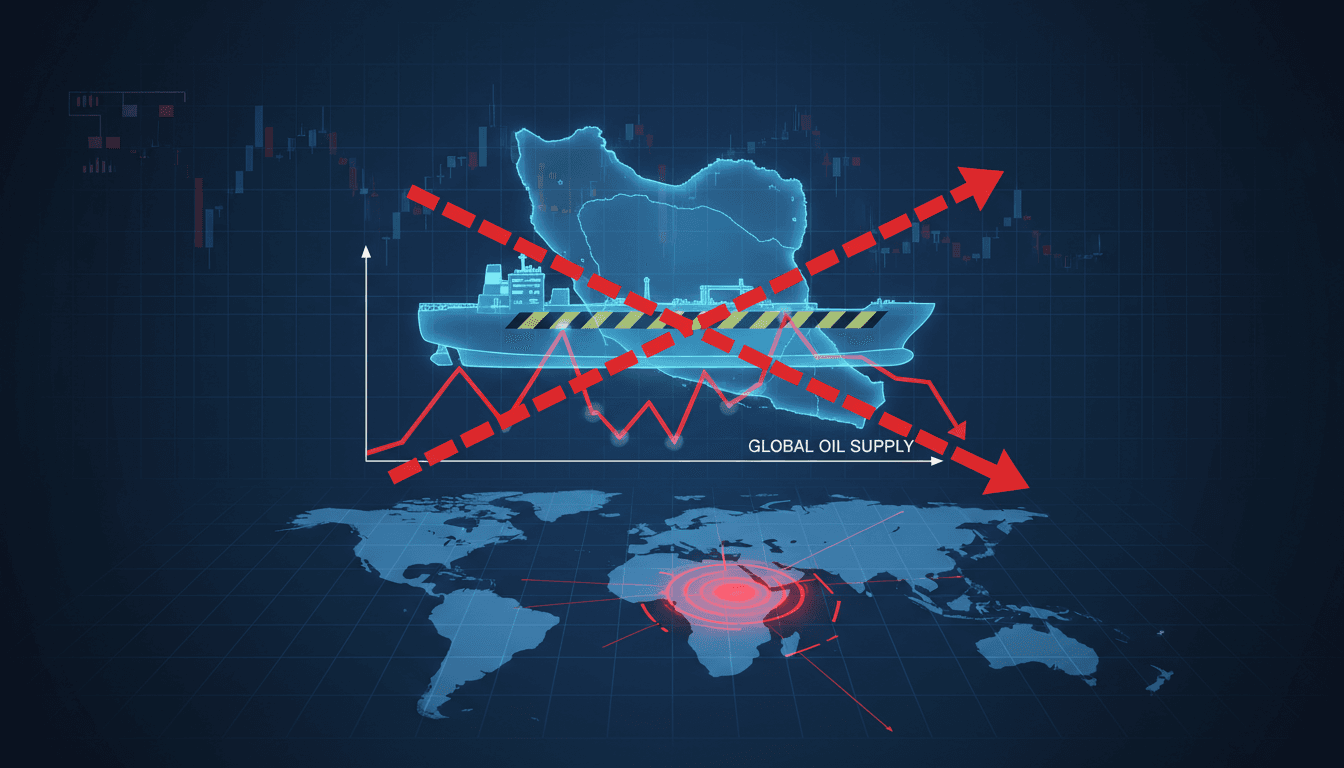
Here's what it means for you.
The closure of the Strait of Hormuz by Iran signals a significant escalation in geopolitical tensions that could impact global oil markets and regional stability. As the strait is a critical chokepoint for oil shipments, any disruption could lead to increased prices and supply chain concerns. Stakeholders in energy markets should closely monitor developments, as further military actions could exacerbate the situation. The ongoing conflict in Lebanon and the strained relations between the U.S. and Iran highlight the fragility of diplomatic efforts in the region. If negotiations fail, the potential for military escalation remains high, which could have broader implications for international relations and security.
What happened
Iran's Revolutionary Guard has officially announced the closure of the Strait of Hormuz, citing violations of a ceasefire agreement by the United States and Israel. This decision comes amid ongoing Israeli airstrikes in southern Lebanon, which have resulted in casualties and significant damage. The closure is a direct response to these perceived provocations and complicates the already tense U.S.-Iran negotiations set to resume in Switzerland.
Iran has warned of further actions if Israeli attacks continue, indicating a willingness to escalate the situation further. The U.S. has denied that Iran has closed the strait, suggesting a disconnect in narratives between the involved parties. This development marks a critical juncture in the ongoing conflict and raises concerns about regional stability.
The Context
The closure of the Strait of Hormuz represents a significant escalation in regional tensions, particularly in light of the ongoing Israeli military actions in Lebanon. The airstrikes have reportedly resulted in at least seven casualties, underscoring the human cost of the conflict. As U.S.-Iran negotiations are poised to resume, the backdrop of military actions complicates the diplomatic landscape.
The situation is further complicated by the U.S. sending a representative to Switzerland for negotiations with Iran, highlighting the urgency of addressing these tensions. The interplay between military actions and diplomatic efforts creates a precarious environment, where any miscalculation could lead to further escalation. Stakeholders must remain vigilant as the dynamics evolve.
Takeaway
The current situation remains volatile, with the potential for further escalation if diplomatic efforts do not yield positive results. Observers should closely monitor the outcomes of the U.S.-Iran negotiations in Switzerland, as these discussions could significantly influence the trajectory of regional stability. Additionally, any further military actions from both Israel and Iran will be critical to watch.
The ongoing conflict in Lebanon, coupled with strained U.S.-Iran relations, suggests that the region may face increased instability in the near future. The implications of these developments extend beyond the immediate area, potentially affecting global markets and international relations.
Arabic-language coverage of Saudi, regional, and international affairs.
"Al Bilad offers mainstream Saudi newspaper coverage across domestic and broader Arab topics."
— A47 Editor
لوحت بالتصعيد مع تعثر المحادثات.. إيران تغلق مضيق هرمز مجدداً
In a significant escalation of regional tensions, the Iranian Revolutionary Guard announced the closure of the Strait of Hormuz to maritime traffic, citing alleged violations by the United States and Israel of a ceasefire agreement. This announcement...
Arabic-language reporting on global and regional news.
"BBC Arabic is part of the BBC, generally regarded for editorial standards and broad international coverage."
— A47 Editor
وفد إيران يصل إلى سويسرا لبدء مفاوضات نووية مع الولايات المتحدة، والجيش الأمريكي ينفي إغلاق هرمز
A delegation from Iran has arrived in Switzerland to commence nuclear negotiations with the United States, coinciding with the Iranian armed forces' decision to close the Strait of Hormuz to maritime traffic, which had previously been reopened under ...
Arabic-language coverage of political affairs and current events.
"Okaz political coverage typically follows mainstream Saudi framing on national and regional affairs."
— A47 Editor
إسرائيل تصعّد في لبنان.. وإيران ترد بإغلاق مضيق هرمز
The Israeli escalation in Lebanon has cast a shadow over the anticipated U.S.-Iran negotiations set to begin in Switzerland, which were postponed on Friday. U.S. envoy Steve Wietkoff has arrived in Switzerland amid expectations for the Iranian delega...