
US and Iran sign peace deal to reopen Strait of Hormuz after 100 days of conflict
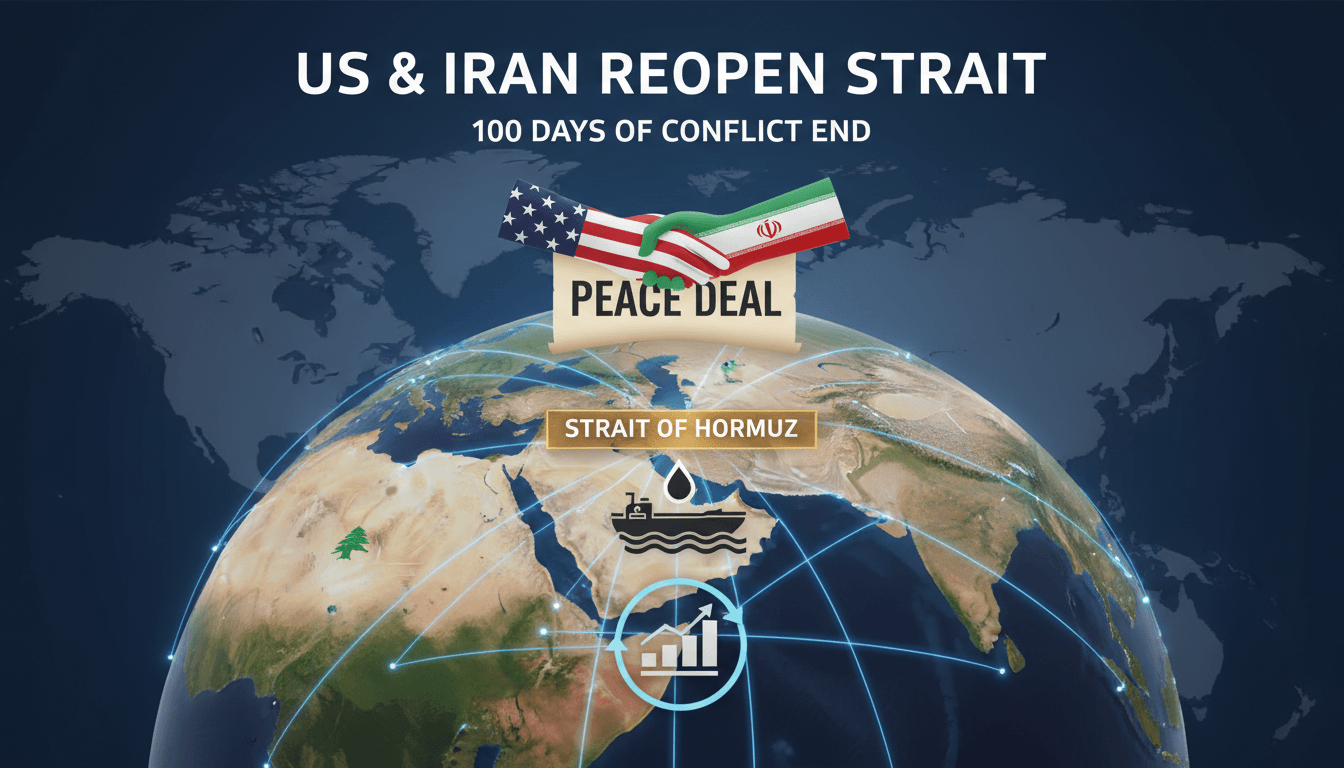
Here's what it means for you.
The recent peace deal between the US and Iran signifies a pivotal moment in Middle Eastern geopolitics, particularly concerning the vital Strait of Hormuz. This agreement could lead to a stabilization of oil markets, which have been volatile due to ongoing conflicts in the region. Stakeholders in global energy markets will need to closely monitor the implications of this truce as it unfolds. The deal also reflects a significant shift in US-Iran relations, moving away from the previous administration's approach. As the situation develops, the effectiveness of this agreement will be scrutinized by both regional and global actors.
What happened
On June 18, 2026, the US and Iran signed a memorandum of understanding aimed at extending a truce and reopening the Strait of Hormuz after more than 100 days of conflict. This agreement comes in the wake of significant military actions in the region, particularly involving Lebanon. The Iranian negotiator indicated that the waterway would not return to its prewar conditions following a 60-day window.
This memorandum marks a notable shift in the dynamics of US-Iran relations compared to previous negotiations. The ongoing military actions in Lebanon continue to affect regional stability, underscoring the complexities surrounding this agreement.
The Context
The peace deal emerges after a period of intense military conflict in the Middle East, particularly involving Lebanon, which has heightened tensions in the region. This agreement represents a departure from the previous negotiations under the Obama administration, indicating a potential recalibration of US foreign policy. The implications of this deal could reshape regional dynamics and influence future negotiations in the Middle East.
Oil prices have reacted negatively to the announcement, reflecting market volatility and uncertainty about the future. The situation remains fluid, and stakeholders are keenly observing how this agreement will impact broader geopolitical relations.
Takeaway
As the situation unfolds, the effectiveness of the peace deal will be tested by regional responses, particularly from Israel, and the broader implications for US foreign policy in the Middle East. Analysts will be monitoring the impact on global oil prices as the situation develops, given the strategic importance of the Strait of Hormuz. The 60-day window before the waterway's conditions change will be critical in assessing the long-term viability of this truce.
Future negotiations and regional stability will hinge on the reactions from key players and the ability of the US and Iran to maintain this fragile peace.
Regional and international reporting focused on Middle Eastern politics, diplomacy, and economics.
"Asharq Al-Awsat is a Saudi-owned international newspaper reflecting mainstream Gulf political perspectives."
— A47 Editor
Oil Prices Sink Further as Trump Signs Deal to Reopen Hormuz
Oil prices have continued to decline following the signing of a deal by U.S. President Donald Trump to reopen the strategically significant Strait of Hormuz, which is crucial for global oil transportation. This agreement aims to address ongoing tensi...
International coverage from The Guardian's global desks.
"The Guardian is known for its progressive editorial stance and in-depth analysis."
— A47 Editor
Middle East crisis live: Tehran says it will charge ships in strait of Hormuz after 60 days; US-Iran presidents sign peace deal
The United States and Iran have signed a peace deal aimed at reopening the strategically vital Strait of Hormuz and initiating nuclear negotiations, following a period of heightened tensions. Iranian officials have stated that the key waterway will n...
UAE-based English-language newspaper covering regional politics, economics, and global affairs.
"The National reflects Emirati policy perspectives while maintaining international editorial standards."
— A47 Editor
US-Iran pact signed, Lebanon unresolved and Khamenei's funeral
A significant peace deal between the United States and Iran has been signed, aimed at addressing longstanding tensions and stabilizing the region. The agreement includes provisions for military de-escalation and the reopening of critical trade routes...
Global markets, investing, and macroeconomics from a premier financial newsroom.
"Bloomberg is respected for in-depth financial reporting and data-driven analysis."
— A47 Editor
Bohl: Iran Successfully Leveraged Hormuz In Negotiations
President Trump signed a Memorandum of Understanding (MOU) to end hostilities in Iran and reopen the strategically vital Strait of Hormuz after over 100 days of conflict. This agreement marks a significant shift in U.S.-Iran relations, as it sets the...