
World Cup matches played in extreme heat raise climate concerns
Here's what it means for you.
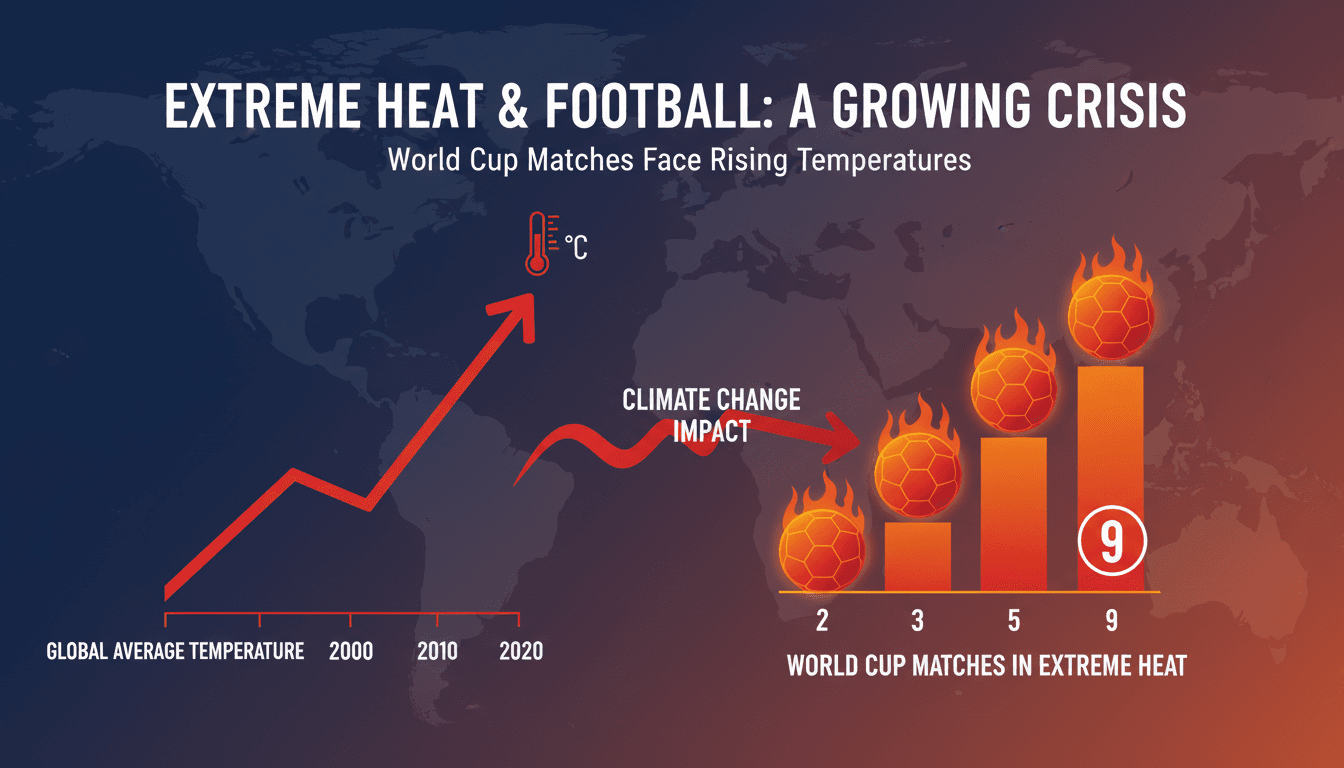
The recent World Cup matches have highlighted the urgent need for sports organizations to address climate change impacts on scheduling. With nine matches played under severe heat, player and fan safety has become a pressing concern. This situation may prompt governing bodies to reconsider their scheduling practices to mitigate risks associated with extreme weather. As climate change continues to escalate, the implications for sports events are significant. Stakeholders must prioritize safety and adapt to the changing environment to ensure the integrity of future competitions.
What happened
Nine group stage matches of the World Cup were played in severe heat, raising alarms from the global players' union, Fifpro. The extreme conditions prompted warnings about the potential dangers posed to players and fans alike. This situation underscores the growing concern regarding climate change's impact on sports events.
Fifpro has called for heat to be a significant factor in future scheduling decisions, emphasizing the need for immediate action. The matches in question serve as a stark reminder of the challenges that climate change presents to the sporting world.
The Context
Extreme heat is increasingly becoming a major concern for sports events globally, with scientists warning that climate change exacerbates dangerous conditions. The ongoing World Cup has faced challenges due to these conditions, affecting both players and fans. Record-breaking heat is expected to impact upcoming games in the United States, further highlighting the urgency of the situation.
As the climate crisis intensifies, sports organizations must navigate the complexities of scheduling in a changing environment. The implications of these extreme weather events extend beyond the immediate matches, affecting the future of sports as a whole.
Takeaway
As climate change continues to escalate, sports organizations may need to adapt their scheduling practices to ensure player and fan safety. Monitoring upcoming weather forecasts for World Cup locations will be crucial in assessing potential risks. Additionally, stakeholders should watch for potential changes in scheduling policies from sports governing bodies in response to these challenges.
The increasing frequency of extreme weather events suggests that prioritizing safety in planning and scheduling will be essential moving forward. This proactive approach could help mitigate the risks associated with climate change in the realm of sports.
News from the United States including domestic politics, society, and culture.
"The Guardian is known for its progressive editorial stance and in-depth analysis, often advocating for social justice, environmental issues, and liberal values."
— A47 Editor
World Cup matches played in potentially dangerous heat as players’ union makes climate warning
Nine matches in the World Cup group stage were played under potentially dangerous heat and humidity, prompting the global players' union Fifpro to emphasize the need for climate considerations in future scheduling.
International coverage from The Guardian's global desks.
"The Guardian is known for its progressive editorial stance and in-depth analysis."
— A47 Editor
World Cup matches played in potentially dangerous heat as players’ union makes climate warning
Nine matches in the World Cup group stage were played under potentially dangerous heat and humidity, prompting the global players' union Fifpro to emphasize the need for climate considerations in future scheduling.
General sports headlines, features, and player interviews.
"Yahoo Sports offers broad sports coverage including exclusive interviews and multimedia content."
— A47 Editor
Heating up and slowing down: How extreme heat is putting stress on World Cup players and fans
Extreme heat has become a significant concern during the World Cup, with scientists warning that climate change is exacerbating dangerous conditions for both players and fans in various host cities. The rising temperatures are impacting the overall e...
Regional and international reporting focused on Middle Eastern politics, diplomacy, and economics.
"Asharq Al-Awsat is a Saudi-owned international newspaper reflecting mainstream Gulf political perspectives."
— A47 Editor
‘Heat Dome’ Threatens Sweltering Conditions for World Cup Fans, Players
A 'Heat Dome' phenomenon is expected to create sweltering conditions during the 2026 FIFA World Cup, posing significant challenges for both fans and players. This extreme weather event could lead to health risks and impact the overall experience of t...