
Mitsui O.S.K. Lines suspends shipping through Strait of Hormuz pending U.S.-Iran agreement
Here's what it means for you.
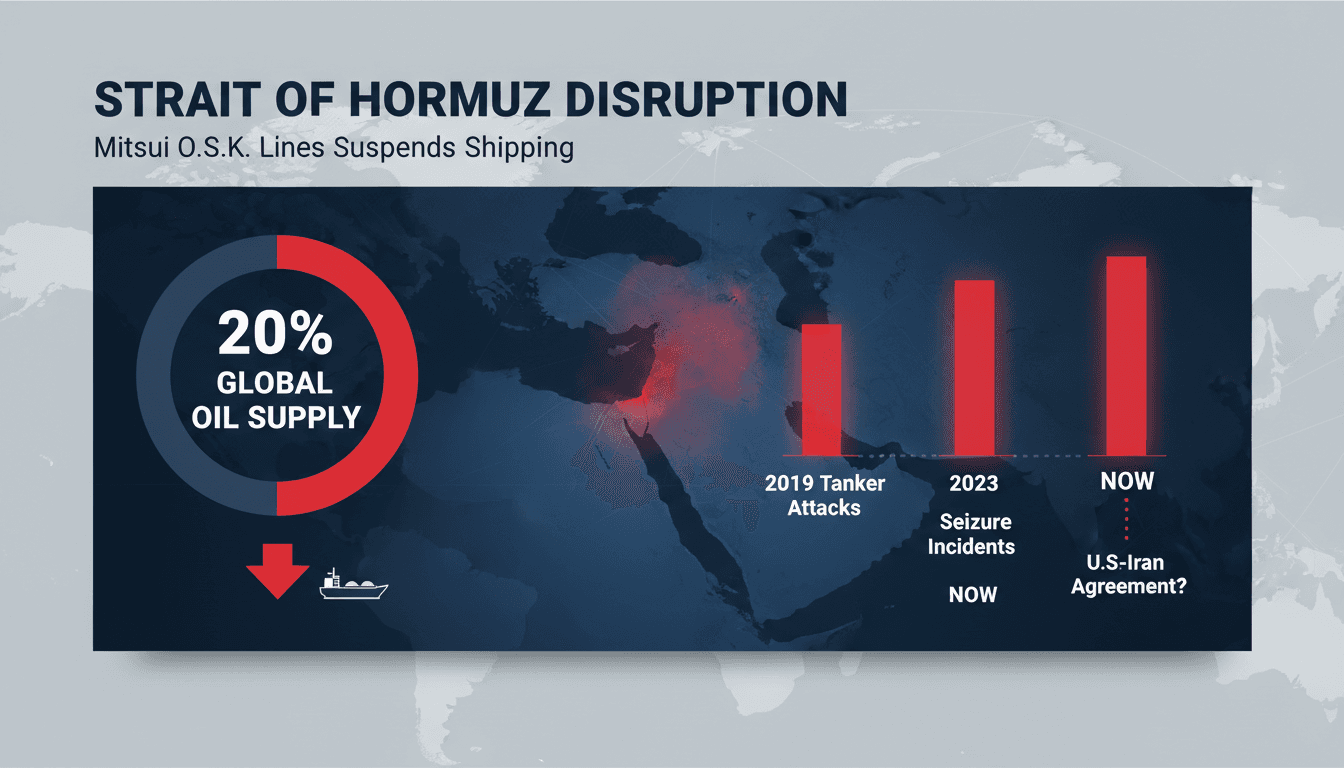
The suspension of tanker transit through the Strait of Hormuz by Mitsui O.S.K. Lines signals a critical juncture in global shipping and energy markets. With approximately 20% of the world's oil and gas supply passing through this route, the implications for energy prices and supply chains could be significant. Stakeholders will need to closely monitor the evolving U.S.-Iran negotiations, as their outcomes will directly impact shipping safety and operational confidence in the region. The ongoing conflict has already disrupted shipping operations, and the uncertainty surrounding a potential resolution adds further complexity to the situation. Companies reliant on this vital route may need to explore alternative logistics strategies in the interim.
What happened
Mitsui O.S.K. Lines has announced that tanker transit through the Strait of Hormuz will not resume for several weeks. This decision is contingent upon the establishment of a substantial U.S.-Iran agreement, which is currently under negotiation. The ongoing conflict, which began on February 28, has severely disrupted shipping in this critical transit route.
The company, one of Japan's largest shipping firms, operates a fleet of over 900 vessels, underscoring its significant role in global shipping. The announcement reflects the heightened concerns regarding safety and operational viability in the region.
The Context
The Strait of Hormuz is a vital maritime corridor, accounting for about 20% of global oil and liquefied natural gas supply. The Iran war, which commenced on February 28, 2026, has halted shipping through this crucial route, creating a ripple effect across international energy markets. Confidence in the safety of the Strait is essential for shipowners to resume operations, and the current geopolitical climate poses challenges to restoring that confidence.
As the U.S. and Iran engage in negotiations, the outcome will be pivotal for the future of shipping in the region. The situation remains fluid, with stakeholders keenly awaiting developments that could influence shipping safety and operational decisions.
Takeaway
The resolution of the U.S.-Iran conflict will be critical for the resumption of shipping activities in the Strait of Hormuz. Observers should watch for developments in the negotiations, as these will directly impact shipping safety and operational confidence. Additionally, reactions from other shipping companies regarding the situation will provide insights into the broader implications for global trade.
The future of shipping through the Strait hinges on the successful negotiation of a substantial U.S.-Iran agreement. Until then, the industry must navigate the uncertainties that accompany this ongoing conflict.
Regional coverage and analysis focused on politics, diplomacy, and business across the Middle East.
"Al-Monitor is known for analytical reporting on Middle East politics and policy developments."
— A47 Editor
Strait of Hormuz transit will take ‘weeks’ to resume, largest tanker operator tells FT
Shipowners, including Japan's Mitsui O.S.K. Lines, have announced that transit through the Strait of Hormuz will not resume for several weeks as they await confirmation of the U.S.-Iran peace deal's material impact. This decision follows the signific...
Business, markets, economy, and corporate news with strong UAE and regional relevance.
"Emirates 24|7 business coverage tends to center UAE markets, property, regulation, and regional economic developments."
— A47 Editor
Strait of Hormuz transit will take ‘weeks’ to resume: Largest tanker operator Strait of Hormuz transit will take ‘weeks’ to resume: Largest tanker operator
Shipowners, including Japan's Mitsui O.S.K. Lines, have announced that transit through the Strait of Hormuz will not resume for several weeks as they await confirmation of the U.S.-Iran peace deal's material impact. The ongoing conflict, which began ...
Editor-curated FT homepage stories spanning markets, business, world, and opinion.
"The Financial Times is a globally respected business publication with a centrist/center-left tone and strong markets focus."
— A47 Editor
US-Iran deal must be ‘material’ for Strait of Hormuz to reopen, tanker giant warns
Mitsui OSK Lines' CEO has emphasized that any agreement between the United States and Iran regarding the reopening of the Strait of Hormuz must be substantial to restore confidence among fleet owners after months of conflict. The Strait is a vital ma...