
Iran Reaffirms Control Over Strait of Hormuz Amid U.S. Claims
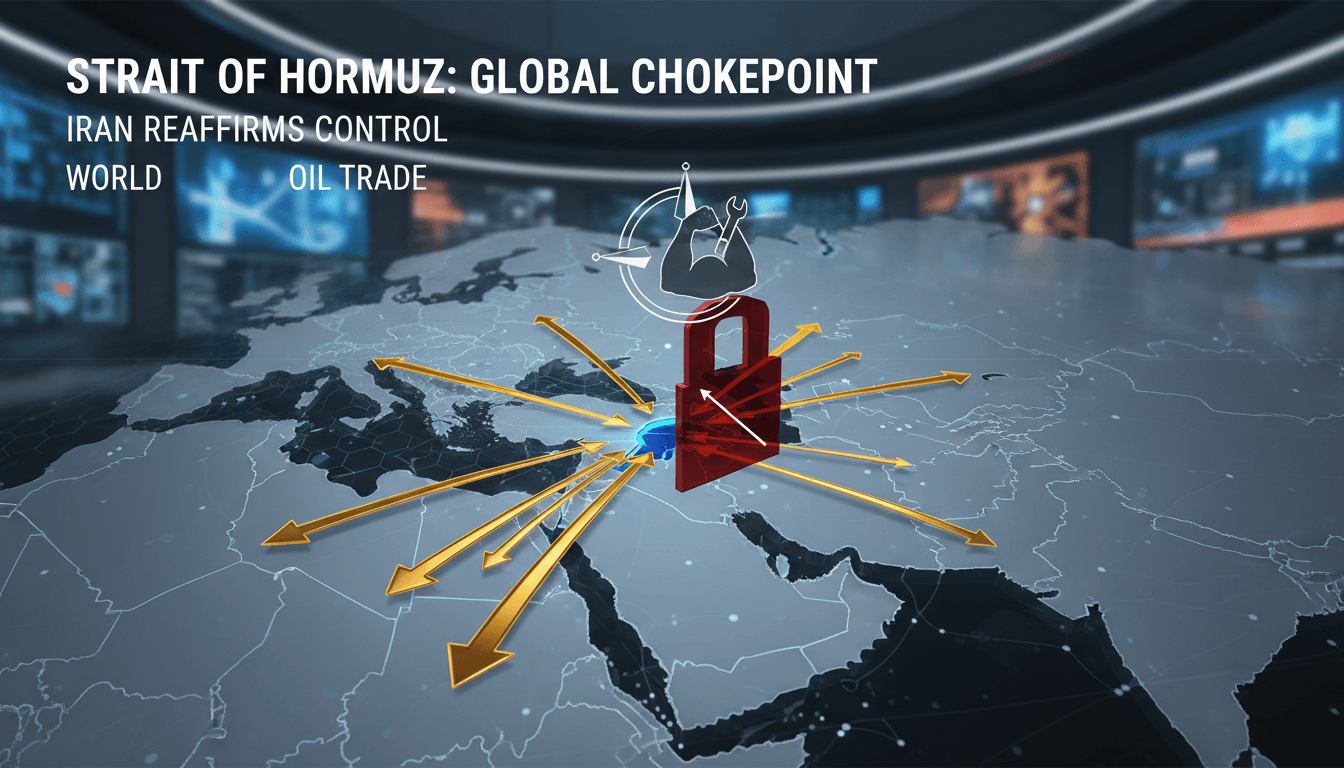
Here's what it means for you.
The reaffirmation of Iran's control over the Strait of Hormuz signals ongoing geopolitical tensions that could impact global oil markets. With approximately 20% of the world's oil trade passing through this vital waterway, any disruption could have significant ramifications for energy security. Stakeholders in the oil industry and policymakers must closely monitor developments as negotiations between Iran and the U.S. remain unresolved. The situation underscores the fragility of U.S.-Iran relations, which could lead to further maritime tensions. As both nations navigate their contentious relationship, the implications for international trade and regional stability are profound.
What happened
Iran has firmly asserted its control over the Strait of Hormuz, directly countering claims made by U.S. President Donald Trump regarding a potential reopening of the waterway. Iranian sources have labeled Trump's statements as inaccurate and inconsistent with existing agreements between the two nations. This assertion comes amid heightened tensions between Iran and the U.S., particularly concerning maritime security.
Despite U.S. claims suggesting a possible easing of restrictions, Iran maintains that the Strait will remain under its jurisdiction. The situation reflects the complexities of international negotiations and the potential for conflict in this critical maritime route.
The Context
The Strait of Hormuz is a crucial maritime route for global oil shipments, making its control vital for energy security. Approximately 20% of the world's oil trade transits through this narrow passage, heightening its strategic importance. Tensions between Iran and the U.S. have escalated in recent years, particularly regarding maritime security and the status of the Strait.
Recent negotiations have failed to yield a consensus, leaving the situation precarious. As both nations grapple with their contentious relationship, the Strait of Hormuz remains a focal point of geopolitical tension, with significant implications for global markets.
Takeaway
The ongoing dispute over the Strait of Hormuz highlights the fragility of U.S.-Iran relations and the potential for further maritime tensions. Observers should watch for potential military responses from the U.S. if Iran continues to assert its control. Future negotiations between the two nations regarding maritime security will also be critical in determining the trajectory of this situation.
As the geopolitical landscape evolves, the implications for global oil markets and regional stability will remain significant. Stakeholders must remain vigilant as developments unfold.
Pan-Arab news coverage spanning politics, business, sports, and regional affairs.
"Asharq Al-Awsat reflects a broad Arab editorial perspective with strong attention to regional geopolitics."
— A47 Editor
إيران: مضيق «هرمز» سيبقى تحت سيطرتنا
Iran has reaffirmed its intention to maintain control over the Strait of Hormuz, following comments from U.S. President Donald Trump suggesting that the key waterway may be reopened soon. This statement underscores Iran's commitment to its strategic ...
Arabic-language coverage of international news and geopolitics.
"RT Arabic is a Russian state-funded outlet often criticized for promoting Kremlin-aligned narratives."
— A47 Editor
مصادر إيرانية تنفي إعلان ترامب: النصوص المتبادلة لا تتضمن حرية مرور كاملة في هرمز كما كانت قبل الحرب
Iranian sources have denied claims made by U.S. President Donald Trump regarding the return of the Strait of Hormuz to its previous status and the imminent signing of an agreement between Tehran and Washington, as reported by Fars News Agency.
Pan-Arab political news and analysis.
"Al-Quds Al-Arabi is a London-based Arabic newspaper known for political coverage."
— A47 Editor
وكالة فارس: مضيق هرمز سيبقى تحت الإدارة الإيرانية
Iranian news agency Fars reported that the Strait of Hormuz will remain under Iranian control, according to the latest exchanges between Iran and the United States. The agency dismissed U.S. President Donald Trump's announcement regarding the reopeni...