
Tanker traffic in the Strait of Hormuz plummets amid escalating US-Iran military tensions
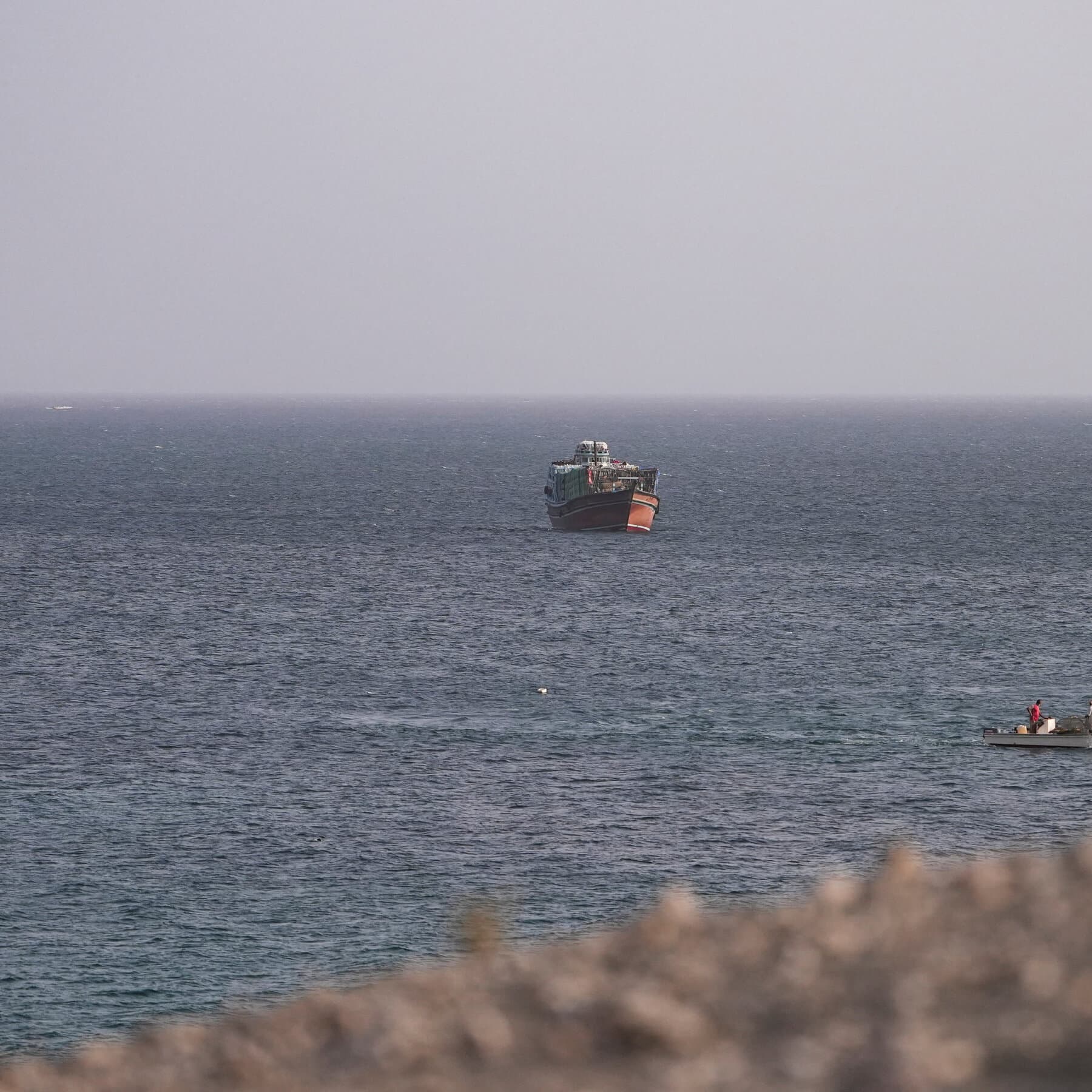
Here's what it means for you.
The significant decline in tanker traffic through the Strait of Hormuz signals rising security concerns that could impact global oil supply. With military confrontations escalating between the U.S. and Iran, the potential for further disruptions in oil transport is high. This situation may lead to increased volatility in oil prices, affecting markets worldwide and prompting policymakers to reassess energy security strategies. As the Strait of Hormuz is a critical corridor for oil shipments, the implications of this decline extend beyond immediate shipping concerns. Stakeholders in the energy sector must remain vigilant as developments unfold, particularly regarding U.S.-Iran relations and their impact on global oil markets.
What happened
Tanker traffic through the Strait of Hormuz has nearly ceased due to renewed military tensions between the U.S. and Iran. Recent missile attacks on commercial vessels and a U.S. naval blockade have heightened security concerns in this vital oil transport corridor. Only two tankers completed passages through the strait in a recent 24-hour period, illustrating the severity of the situation.
The International Maritime Organization has reported 53 maritime incidents in the region, resulting in 14 seafarer deaths. In response to these attacks, the U.S. has conducted strikes on Iranian military targets, further escalating the conflict. This series of events has led to a near halt of tanker traffic, raising alarms about the stability of global oil supply.
The Context
The Strait of Hormuz is a crucial passage for global oil transport, with approximately 20 million barrels passing through daily. The recent military escalations have not only threatened shipping safety but have also depleted oil stockpiles that previously buffered market shocks. As tensions rise, the potential for supply shortages looms large, impacting energy security worldwide.
Iran's threats to disrupt energy exports across the Middle East complicate the situation further. The ongoing conflict between the U.S. and Iran has significant implications for global markets, as any disruption in this key corridor could lead to increased oil prices and economic instability. Stakeholders must closely monitor these developments to navigate the evolving landscape.
Takeaway
The ongoing military tensions between the U.S. and Iran may lead to further disruptions in oil supply, which could significantly impact global markets. As the situation develops, it is crucial to monitor changes in oil prices and shipping routes. The potential for increased volatility in oil markets remains high, prompting stakeholders to reassess their strategies.
In the coming weeks, developments in U.S.-Iran military engagements will be critical to watch. The international community will likely respond to these tensions, and any shifts in policy or military action could have far-reaching consequences for energy security and global economic stability.
Markets, economy, and company analysis from NYT’s business desk.
"The New York Times is a globally recognized newspaper offering authoritative reporting with a center-left editorial stance."
— A47 Editor
Strait of Hormuz Tanker Traffic Erodes Further as Oil Prices Rise
Tanker traffic through the Strait of Hormuz has significantly declined, with very few vessels passing on the first full day of the U.S. naval blockade against Iran. This blockade follows a series of military escalations between the U.S. and Iran, whi...
English-language digital publication covering business, politics, technology, and current affairs.
"The Arabian Post mixes original and syndicated-style coverage with a broad regional and global business-news orientation."
— A47 Editor
Iran widens energy threat as Hormuz battle escalates
Iran has intensified its military posture in the Strait of Hormuz, declaring it a 'red line' and threatening to close it in response to U.S. airstrikes and a renewed blockade on its ports. This escalation comes amid ongoing military exchanges between...
Editor-curated FT homepage stories spanning markets, business, world, and opinion.
"The Financial Times is a globally respected business publication with a centrist/center-left tone and strong markets focus."
— A47 Editor
Oil traders warn market is close to running on empty as Hormuz shuts again
Oil traders are raising alarms as the market approaches a critical point, with stockpiles that previously buffered against disruptions during the Iran conflict now dwindling. The closure of the Strait of Hormuz, a vital shipping route, exacerbates th...
Global political, business, and cultural coverage from WSJ international desks.
"The Wall Street Journal offers extensive international reporting with a reputation for financial insight and a center-right editorial stance."
— A47 Editor
Iran Is Attacking a Crucial Oil-Market Lifeline: Shuttle Runs
Iran has intensified its military actions in the Strait of Hormuz, targeting commercial vessels and disrupting crucial oil-market shuttle runs, which are vital for global oil supply. This escalation follows missile strikes by Iran's Revolutionary Gua...
English-language reporting on Saudi politics, policy, and society.
"Saudi Gazette reflects mainstream Saudi institutional perspectives."
— A47 Editor
Renewed US-Iran strikes bring Hormuz tanker traffic close to a halt
Tanker traffic through the Strait of Hormuz has significantly slowed, nearing a standstill, due to renewed military strikes between the United States and Iran. In the past 24 hours, only two tankers successfully transited the strait, raising concerns...
Global markets, investing, and macroeconomics from a premier financial newsroom.
"Bloomberg is respected for in-depth financial reporting and data-driven analysis."
— A47 Editor
Persian Gulf’s Oil Tanker Lifeline Takes a Hit
Recent missile attacks on vessels in the Strait of Hormuz have raised significant concerns about maritime safety, jeopardizing the shipping recovery that had been underway in the Persian Gulf. These renewed hostilities threaten to disrupt the flow of...