
U.S. Airstrikes on Iran Trigger Decline in Gold Prices Amid Inflation Concerns
Here's what it means for you.
The recent U.S. military airstrikes on Iran have significant implications for investors and policymakers alike. As gold prices drop, market participants are increasingly concerned about rising inflation and potential interest rate hikes from the Federal Reserve. This situation underscores the interconnectedness of geopolitical events and financial markets, highlighting the need for vigilance in investment strategies. With gold prices falling to a one-week low, the dynamics of the commodities market are shifting. Investors should closely monitor these developments, as they may influence broader economic policies and market trends in the near future.
What happened
U.S. military airstrikes on Iran have led to a notable decline in gold prices, which have fallen to a one-week low. Following the strikes, spot gold was recorded at $4,060.46 per ounce, reflecting a 0.4% decrease. This drop is largely attributed to rising inflation concerns that have emerged in the wake of the geopolitical escalation.
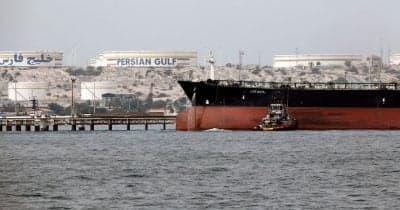
The airstrikes were aimed at maintaining shipping routes in the strategically vital Strait of Hormuz. As tensions escalate, markets are reacting by adjusting their expectations regarding monetary policy, particularly in relation to potential interest rate hikes from the Federal Reserve.
The Context
The backdrop of this situation involves ongoing geopolitical tensions between the U.S. and Iran, which have significant implications for global energy prices and market stability. The Federal Reserve's response to inflation is also a critical factor, with a 68% market expectation for an interest rate hike in September. This anticipated move is likely to further influence gold prices and investor sentiment.
As the situation evolves, stakeholders across various sectors, including commodities and finance, are closely monitoring developments. The interplay between military actions and economic responses underscores the importance of geopolitical stability for market confidence.
Takeaway
Looking ahead, the ongoing tensions between the U.S. and Iran are expected to continue exerting pressure on gold prices. Investors should remain alert to updates regarding Federal Reserve interest rate decisions, as these will significantly impact market dynamics. Additionally, developments in U.S.-Iran relations will be crucial in shaping energy prices and broader economic conditions.
As inflation concerns persist, the financial landscape may experience further volatility. Stakeholders should prepare for potential shifts in monetary policy that could arise from these geopolitical events.
Business, markets, economy, and corporate news with strong UAE and regional relevance.
"Emirates 24|7 business coverage tends to center UAE markets, property, regulation, and regional economic developments."
— A47 Editor
Gold falls as Middle East hostilities revive inflation woes
Gold prices fell by 0.4% to $4,060.46 per ounce as renewed hostilities between the U.S. and Iran raised inflation concerns and pushed oil prices higher. The U.S. military conducted airstrikes on Iranian targets following missile attacks from Iran's R...
Research, news, and analysis on blockchain startups, DeFi, and regulations.
"Crypto Briefing provides research, news, and analysis on blockchain startups, DeFi, and crypto regulations with investor-focused coverage."
— A47 Editor
Gold holds decline as US strikes on Iran drive energy prices higher, crypto markets feel the heat
Recent US airstrikes on Iranian infrastructure have led to rising energy prices and a decline in gold, as geopolitical tensions escalate. This situation has also negatively impacted cryptocurrency markets, with Bitcoin experiencing significant volati...
Global markets, investing, and macroeconomics from a premier financial newsroom.
"Bloomberg is respected for in-depth financial reporting and data-driven analysis."
— A47 Editor
Gold Holds Drop as US Strikes in Iran Cloud Rate-Hike Outlook
Gold prices have experienced a decline as renewed U.S. airstrikes on Iran jeopardize an interim deal aimed at resolving ongoing conflicts, which have contributed to inflationary pressures and increased speculation about potential interest rate hikes ...