
Supreme Court Upholds FCC's Authority to Fine Telecom Companies Without Jury Trials
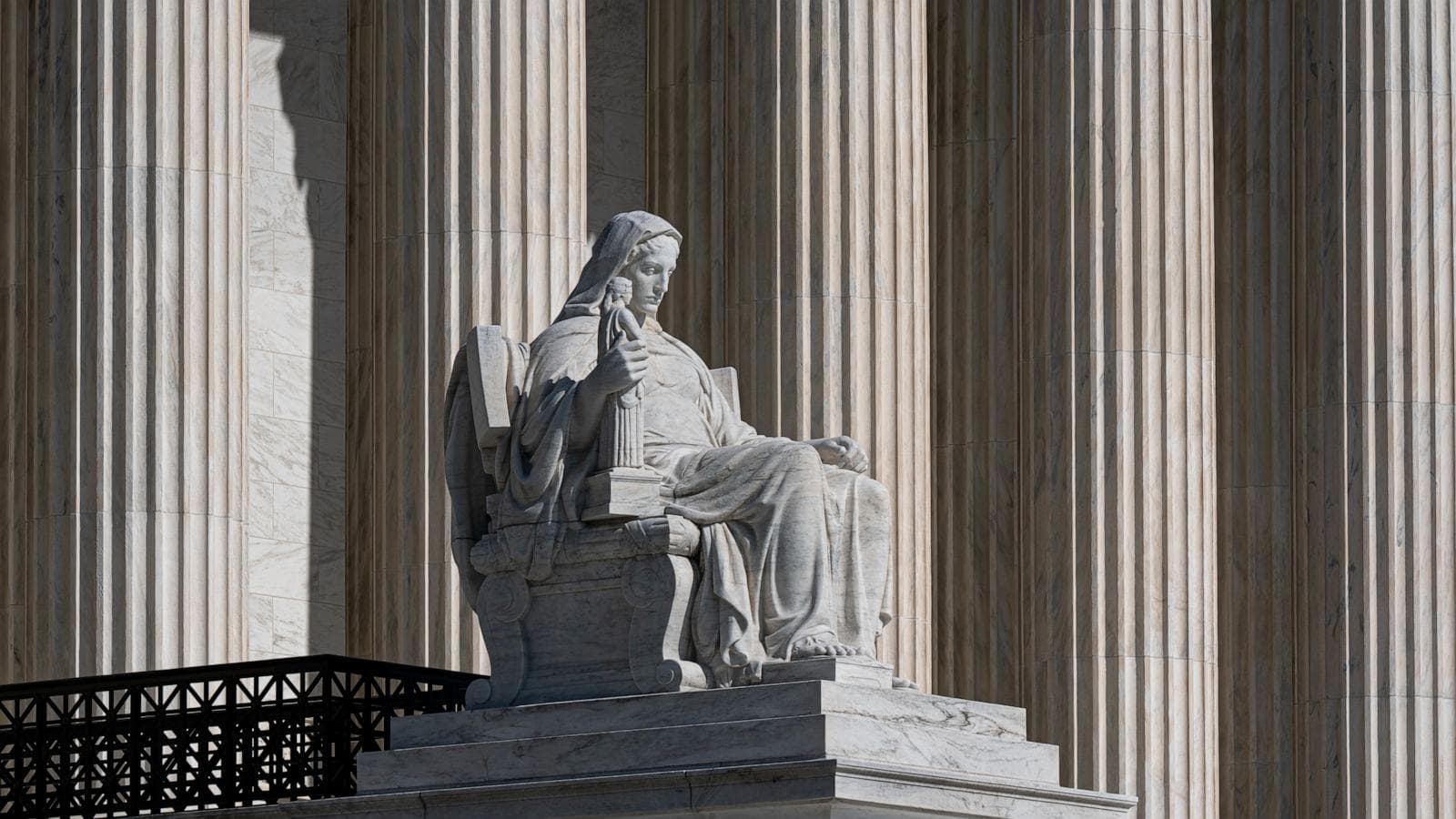
Here's what it means for you.
The U.S. Supreme Court's recent ruling reinforces the Federal Communications Commission's (FCC) authority to impose fines on major telecom companies without the necessity of jury trials. This decision is significant for the regulatory landscape, as it strengthens federal oversight of telecommunications. Companies like AT&T and Verizon may face increased scrutiny and regulatory measures moving forward. The ruling signals a shift in how telecom companies will navigate compliance with federal regulations. As the FCC gains more power to enforce penalties, the industry may need to adapt its practices to align with stricter oversight.
What happened
On June 4, 2026, the U.S. Supreme Court ruled 8-1 in favor of the FCC, affirming its authority to impose fines on wireless carriers such as AT&T and Verizon without requiring jury trials. This decision marks a significant victory for the FCC and the Trump administration, reinforcing federal regulatory power over telecommunications companies. The case centered on whether the FCC's in-house proceedings violated the companies' constitutional right to a jury trial.
The ruling indicates strong support for the FCC's regulatory framework, as evidenced by the overwhelming majority. The Court's decision is expected to have lasting implications for how telecom companies are regulated in the future.
The Context
The Supreme Court's ruling comes amid ongoing legal challenges faced by the FCC in its efforts to regulate the telecommunications industry. The Trump administration had previously supported the FCC's regulatory framework during the legal dispute, highlighting the political backing for federal oversight. The 8-1 decision reflects a consensus among the justices regarding the importance of maintaining regulatory authority in this sector.
This ruling is particularly relevant as the telecommunications landscape continues to evolve, with increasing demands for accountability and transparency from service providers. The decision underscores the necessity for robust regulatory measures to ensure compliance and protect consumer interests.
Takeaway
Looking ahead, this ruling may pave the way for more stringent regulatory measures on telecommunications companies. The FCC is likely to increase its scrutiny and enforcement actions, which could significantly impact how these companies operate. Responses from AT&T and Verizon regarding the ruling will be crucial to understanding the industry's next steps.
As the regulatory environment shifts, stakeholders should monitor potential implications for future FCC regulations and how telecom companies adapt to these changes. The ruling serves as a reminder of the federal government's commitment to maintaining oversight in the telecommunications sector.
News from the United States including domestic politics, society, and culture.
"The Guardian is known for its progressive editorial stance and in-depth analysis, often advocating for social justice, environmental issues, and liberal values."
— A47 Editor
US supreme court backs FCC in clash with wireless carriers over fines
The US Supreme Court has upheld the Federal Communications Commission's authority to impose fines on wireless carriers, ruling against AT&T and Verizon in their challenge to the agency. The decision, made with an 8-1 vote, supports the FCC's regulato...
International coverage from The Guardian's global desks.
"The Guardian is known for its progressive editorial stance and in-depth analysis."
— A47 Editor
US supreme court backs FCC in clash with wireless carriers over fines
The US Supreme Court has upheld the Federal Communications Commission's authority to impose fines on wireless carriers, ruling against AT&T and Verizon in their challenge to the agency. The decision, made with an 8-1 vote, supports the FCC's regulato...
Technology innovations, startups, and trends.
"ABC News delivers broad national coverage with a mainstream editorial stance, focusing on accessibility and balanced reporting."
— A47 Editor
Supreme Court sides with Trump administration on federal regulation of telecom companies
The Supreme Court has ruled in favor of the Trump administration regarding the extent of federal regulators' authority over telecommunications companies, affirming the administration's stance on regulatory power.
Curated tech headlines including AI stories.
"Influential aggregator surfacing the day’s top tech/AI links."
— A47 Editor
SCOTUS sides with the FCC in its clash with wireless carriers, upholding the agency's in-house system for levying fines for regulatory violations (John Kruzel/Reuters)
The U.S. Supreme Court has ruled in favor of the Federal Communications Commission (FCC), affirming its authority to impose fines on wireless carriers for regulatory violations. This decision supports the FCC's in-house system for levying penalties, ...