
Disruptions in Oil Shipping Routes in the Strait of Hormuz Due to Iranian Control Assertions
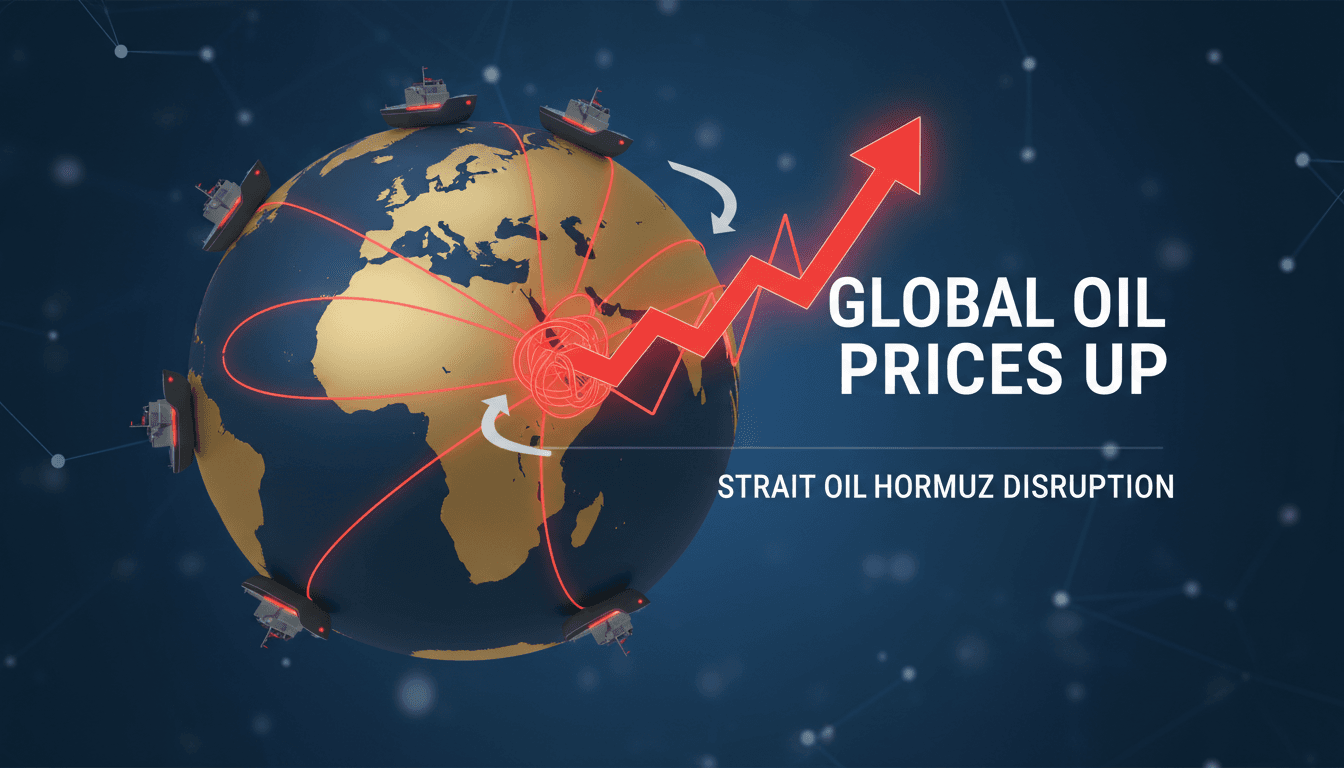
Here's what it means for you.
The recent disruptions in oil shipping routes through the Strait of Hormuz signal a potential shift in global energy dynamics. With Iran asserting control over transit routes, shipping companies may need to reevaluate their strategies to mitigate risks. This situation could lead to increased oil prices and affect supply chains worldwide, impacting both consumers and businesses. As tensions escalate, stakeholders in the energy sector should remain vigilant. The implications of these developments could resonate beyond the immediate region, influencing global markets and energy policies.
What happened
Recent events in the Strait of Hormuz have seen multiple oil and gas tankers making unexpected U-turns, indicating significant disruptions in shipping activities. At least eight vessels turned back while attempting to leave the Persian Gulf, opting for routes closer to Iran. This situation highlights the ongoing tensions as Iran insists on controlling designated transit routes, complicating the navigation for tankers in this critical corridor.
The incidents occurred over a weekend, suggesting a rapid escalation in shipping concerns. Following these U-turns, oil and gas shipping showed signs of recovery, but the underlying geopolitical tensions remain a significant factor.
The Context
The Strait of Hormuz is a vital passage for global oil and gas shipments, making it a focal point for geopolitical tensions. Iran's insistence on controlling transit routes has raised alarms among shipping companies and international stakeholders. The recent U-turns by tankers underscore the precarious nature of maritime operations in the region, where security and stability are increasingly uncertain.
As the situation develops, the shipping industry may need to adapt to new routes and increased risks. The implications of these disruptions could extend beyond immediate shipping concerns, potentially affecting global oil prices and supply chains.
Takeaway
The situation in the Strait of Hormuz remains precarious, with potential implications for global energy markets. Stakeholders should monitor Iran's actions regarding maritime control closely, as further disruptions in oil and gas shipping routes could occur. The need for alternative shipping strategies may become more pressing as geopolitical tensions persist.
In the coming weeks, the industry will likely face challenges that could reshape shipping practices in the region. The evolving landscape may necessitate a reevaluation of risk management strategies for companies operating in or relying on this critical corridor.
Corporate leadership, finance, technology, and market trends.
"Fortune covers financial trends, leadership, and innovation with a pragmatic editorial approach."
— A47 Editor
Oil, gas tankers cross Hormuz via Oman-side route after U-turns
Oil and gas tankers have been observed crossing the Strait of Hormuz via a route along the Oman side after several vessels made U-turns, highlighting ongoing tensions in this critical maritime corridor. Iran has reiterated that vessels should only tr...
Global markets, investing, and macroeconomics from a premier financial newsroom.
"Bloomberg is respected for in-depth financial reporting and data-driven analysis."
— A47 Editor
Oil, Gas Tankers Cross Hormuz Via Oman-Side Route After U-Turns
Oil and gas shipping through the Strait of Hormuz has shown signs of recovery, with vessels successfully navigating a US-protected corridor after a series of unexplained U-turns and detours. This shift comes amid heightened tensions and complexities ...
Global markets, investing, and macroeconomics from a premier financial newsroom.
"Bloomberg is respected for in-depth financial reporting and data-driven analysis."
— A47 Editor
Tankers U-Turn in Hormuz, With Some Taking Iran Route Instead
At least eight ships attempting to exit the Persian Gulf along the Omani coast turned back recently, highlighting the complexities surrounding the reopening of the Strait of Hormuz as Iran seeks to assert control over this crucial waterway. Some vess...