
Pakistan and US Discuss Peace Negotiations Involving Iran
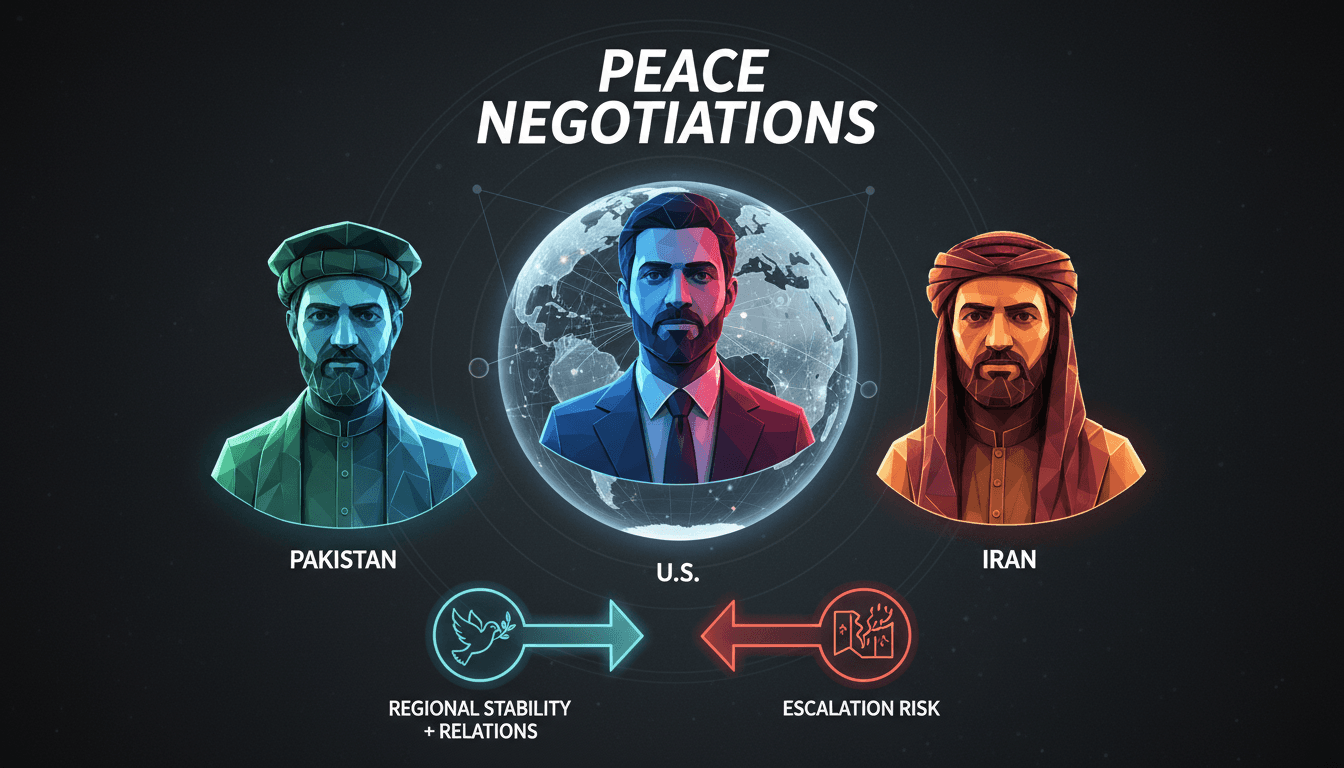
Here's what it means for you.
The recent meeting between Pakistani Foreign Minister Ishaq Dar and U.S. Secretary of State Marco Rubio underscores a significant diplomatic initiative aimed at fostering peace in a region marked by conflict. As Pakistan positions itself as a mediator in the U.S.-Israeli conflict with Iran, the implications for regional stability and international relations are profound. The outcome of these discussions could redefine U.S.-Pakistan ties and influence broader geopolitical dynamics.
What happened
On May 29, 2026, Ishaq Dar met with Marco Rubio in Washington to engage in discussions centered on negotiating a peace agreement to address the ongoing conflict involving the U.S. and Israel against Iran. This meeting is part of Pakistan's strategic efforts to mediate a lasting resolution in a complex geopolitical landscape. The agenda included a review of bilateral relations and regional developments of mutual interest, as confirmed by the Pakistani foreign ministry.
The focus of the talks was singular, emphasizing the importance of achieving a peace pact amidst heightened tensions. This diplomatic engagement highlights Pakistan's role in seeking stability in a volatile region, showcasing its commitment to fostering dialogue and cooperation.
The Context
The meeting between Dar and Rubio is set against a backdrop of escalating tensions in the Middle East, particularly concerning the U.S.-Israeli stance towards Iran. Pakistan's involvement as a mediator reflects its desire to enhance bilateral relations with the United States while addressing regional security challenges. The timing of this visit is critical, as it comes at a moment when diplomatic efforts are essential for de-escalating conflicts.
The discussions also encompassed a broader review of regional and global developments, indicating a comprehensive approach to addressing mutual concerns. As Islamabad seeks to play a pivotal role in peace negotiations, the implications for U.S.-Pakistan relations and regional stability are significant.
Takeaway
The outcome of the talks between Ishaq Dar and Marco Rubio could have far-reaching effects on regional stability and the future of U.S.-Pakistan relations. Observers should watch for potential developments in the peace negotiations with Iran, as these discussions may pave the way for improved diplomatic ties. Future meetings between U.S. and Pakistani officials regarding regional security will also be crucial in shaping the trajectory of these relations.
As the situation evolves, the success of these negotiations could reshape the geopolitical landscape in the Middle East, impacting not only the immediate stakeholders but also broader regional dynamics.
Pan-Arab news coverage spanning politics, business, sports, and regional affairs.
"Asharq Al-Awsat reflects a broad Arab editorial perspective with strong attention to regional geopolitics."
— A47 Editor
وزير خارجية باكستان يبحث ملف إيران مع روبيو في واشنطن
On Friday, U.S. Secretary of State Marco Rubio met with Pakistani Foreign Minister Ishaq Dar in Washington to discuss a framework agreement aimed at ending the ongoing conflict in the Middle East, with a particular focus on Iran. This meeting highlig...
Arabic-language coverage of Saudi, regional, and international affairs.
"Al Bilad offers mainstream Saudi newspaper coverage across domestic and broader Arab topics."
— A47 Editor
مساعي الوساطة تتواصل.. وزير خارجية باكستان في واشنطن للقاء نظيره الأميركي
Pakistani Foreign Minister Ishaq Dar arrived in Washington to meet with U.S. counterpart Marco Rubio as Islamabad seeks to negotiate a permanent agreement to end the ongoing conflict involving the United States and Israel with Iran. The meeting aims ...
Regional coverage and analysis focused on politics, diplomacy, and business across the Middle East.
"Al-Monitor is known for analytical reporting on Middle East politics and policy developments."
— A47 Editor
Pakistan Foreign Minister Dar to visit Washington on Friday, meet Rubio
Pakistani Foreign Minister Ishaq Dar is scheduled to visit Washington on Friday to meet with U.S. Secretary of State Marco Rubio, as confirmed by Pakistan's foreign ministry. This visit aims to review bilateral relations and discuss regional and glob...