
U.S. airstrikes in southern Iran kill seven and escalate regional tensions
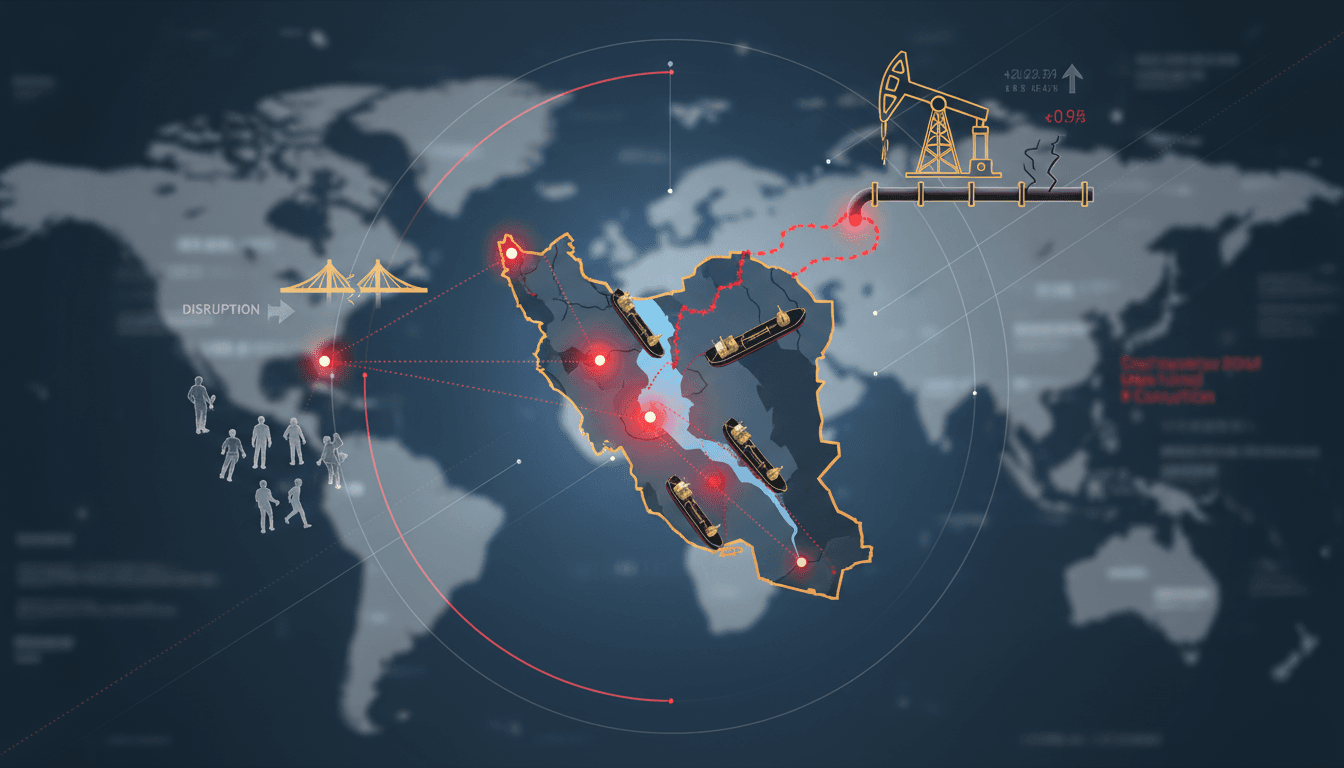
Here's what it means for you.
The recent U.S. airstrikes in southern Iran signal a significant shift in military engagement in the region, with potential ramifications for global oil markets and diplomatic relations. As tensions escalate, businesses and policymakers must prepare for possible disruptions in trade and security dynamics, particularly around the strategic Strait of Hormuz. The human cost of these military actions underscores the urgent need for diplomatic solutions to prevent further escalation.
What happened
U.S. airstrikes targeted an airport and bridges in southern Iran, resulting in at least seven fatalities. The strikes aimed to disrupt critical transportation and communication networks, marking a notable escalation in U.S.-Iran tensions. Iranian media confirmed the casualties and reported significant damage to the targeted infrastructure.
The airstrikes occurred late Thursday into early Friday, highlighting the urgency of the U.S. military's actions in the region. This military operation reflects ongoing hostilities and the complexities of U.S.-Iran relations, particularly in a strategically vital area.
The Context
The airstrikes took place near the strategic Strait of Hormuz, a crucial passage for global oil shipments. This region has long been a flashpoint for U.S.-Iran tensions, with both nations maintaining a military presence. The attacks represent a significant escalation, as they directly target Iranian infrastructure, which could provoke a strong response from Tehran.
Iran's official media has reported on the casualties and damage, indicating the potential for heightened military responses. The timing of these strikes raises concerns about the stability of the region and the implications for international diplomatic efforts aimed at de-escalation.
Takeaway
The situation may lead to further military responses from Iran, potentially targeting U.S. interests in the Gulf. Observers should monitor for signs of Iranian retaliation and the international community's diplomatic responses to this escalation of violence. As tensions rise, the likelihood of additional military engagements increases, complicating efforts for peace and stability in the region.
The unfolding events could draw in regional allies, further complicating the geopolitical landscape. Stakeholders must remain vigilant as the situation develops, with implications for both security and economic stability.
Pan-Arab political news and analysis.
"Al-Quds Al-Arabi is a London-based Arabic newspaper known for political coverage."
— A47 Editor
مقتل 7 أشخاص في غارات جوية أمريكية استهدفت جسورا في جنوب إيران
Seven people were killed in U.S. airstrikes targeting bridges in southern Iran, specifically in the Hormozgan province near Bandar Abbas. The strikes are part of ongoing tensions between the U.S. and Iran, highlighting the volatile situation in the r...
Pan-Arab news coverage spanning politics, business, sports, and regional affairs.
"Asharq Al-Awsat reflects a broad Arab editorial perspective with strong attention to regional geopolitics."
— A47 Editor
طهران تستهدف الكويت والبحرين وقطر بعد غارات أميركية استهدفت مطاراً وجسرين
U.S. airstrikes targeted an airport and two bridges in southern Iran near the Strait of Hormuz late Thursday into Friday, resulting in at least seven fatalities. This military action highlights escalating tensions in the region, particularly involvin...
Arabic-language coverage of international news and geopolitics.
"RT Arabic is a Russian state-funded outlet often criticized for promoting Kremlin-aligned narratives."
— A47 Editor
غارات أمريكية تستهدف جسورا رئيسية جنوب إيران وتقطع طرقا استراتيجية وسط اتساع رقعة الهجمات
On Thursday evening, southern Iran experienced a new wave of American airstrikes targeting critical transportation and communication infrastructure, specifically vital bridges connecting major cities and ports. This escalation reflects a significant ...