
Escalation of U.S.-Iran tensions with military actions and threats to energy exports
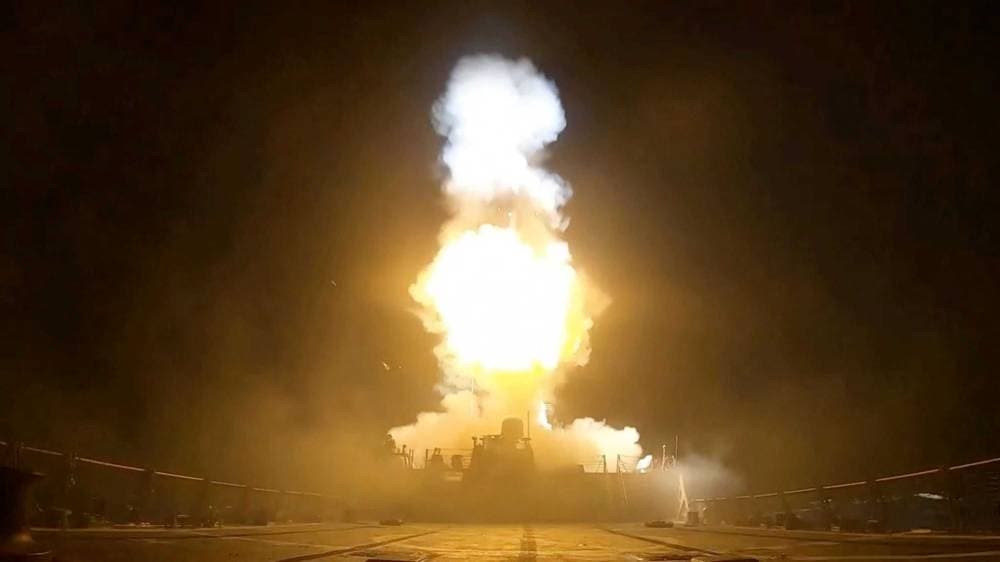
Here's what it means for you.
The recent escalation in U.S.-Iran tensions signals a critical moment for global energy markets. With the U.S. targeting Iranian military capabilities and Iran threatening to disrupt energy exports, the stability of oil supplies is at risk. Stakeholders in the energy sector should prepare for potential volatility as the situation develops. The implications extend beyond immediate military actions, as the Strait of Hormuz is a vital artery for global oil shipments. Any disruption could lead to significant price fluctuations and impact energy policies worldwide.
What happened
The U.S. has resumed airstrikes against Iran, marking a significant escalation in military conflict. These airstrikes are aimed at Iranian military capabilities, particularly coastal defense systems and missile sites. In response, Iran has threatened to close the Strait of Hormuz, a critical shipping route for global oil.
This renewed military engagement follows President Trump's ultimatum to Iran, demanding that negotiations resume or face further military action. The situation has rapidly deteriorated, with both sides exchanging threats and military maneuvers.
The Context
Tensions between the U.S. and Iran have been building for years, but the current phase has intensified dramatically. The U.S. has imposed a maritime blockade on Iranian ports, further straining relations. The Strait of Hormuz is particularly significant, as approximately 20% of global oil and gas shipments pass through this narrow passage.
President Trump's administration is under pressure to respond decisively to Iranian provocations. Meanwhile, Iran is leveraging its military capabilities to assert control over vital shipping routes, raising the stakes for both nations.
Takeaway
The likelihood of further military escalation remains high, with both the U.S. and Iran entrenched in their positions. The international community will be closely monitoring developments, especially regarding the stability of oil markets and regional security. Potential diplomatic efforts, such as those led by Pakistan, may emerge to revive ceasefire talks.
As the situation evolves, stakeholders should remain vigilant about the implications for energy supplies and market dynamics. The ongoing conflict could lead to significant disruptions if tensions continue to escalate.
Pan-Arab political news and analysis.
"Al-Quds Al-Arabi is a London-based Arabic newspaper known for political coverage."
— A47 Editor
ترامب يهدد بتصعيد جديد مع إيران ويخاطر بتكرار أخطاء الماضي
Washington has intensified tensions with Iran as Donald Trump threatens a new escalation, risking a repetition of past mistakes in foreign policy. This development comes amid ongoing concerns regarding Iran's nuclear program and regional influence, w...
Coverage of political affairs and regional developments from a Saudi perspective.
"Al Watan political coverage typically follows a mainstream Saudi framing of regional and national issues."
— A47 Editor
غارات أمريكية تجتاح إيران وسباق دولي لكبح الانفجار
The U.S. has intensified its military actions against Iran, with President Donald Trump issuing a one-week ultimatum for the destruction of Iranian energy facilities and bridges unless Tehran agrees to negotiations. This escalation follows ongoing U....
Pan-Arab news coverage spanning politics, business, sports, and regional affairs.
"Asharq Al-Awsat reflects a broad Arab editorial perspective with strong attention to regional geopolitics."
— A47 Editor
من قانون صلاحيات الحرب إلى مضيق هرمز… ترمب يدير التصعيد لا يحسمه
U.S. President Donald Trump officially informed Congress that the airstrikes resumed on July 7 mark the beginning of a new phase of military operations against Iran. This escalation indicates a significant shift in U.S. military engagement in the reg...