
Figma launches AI assistant to transform collaborative design processes
Here's what it means for you.
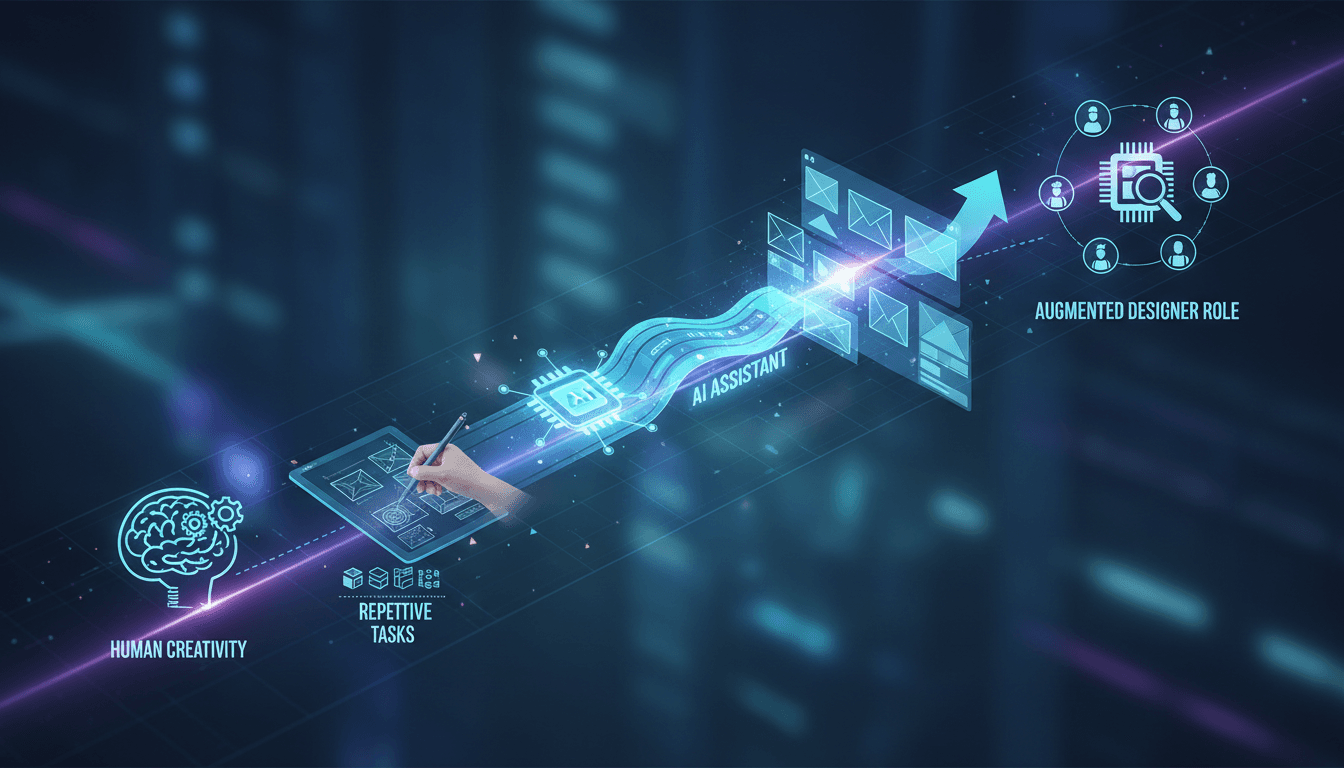
Figma's new AI assistant is set to revolutionize the design landscape by enabling users to generate and edit designs through natural language prompts. This innovation not only streamlines workflows but also alleviates the burden of repetitive tasks that designers typically face. As AI tools become more integrated into design processes, the role of designers may evolve significantly, emphasizing creativity over routine. The introduction of this AI assistant signals a strategic pivot for Figma, aligning with broader trends in the industry towards automation and enhanced collaboration. This shift could redefine how teams approach design, fostering a more dynamic and efficient creative environment.
What happened
Figma has launched an AI assistant that enhances its collaborative design capabilities, allowing users to generate and edit designs using natural language prompts. This assistant operates directly on the Figma Design canvas, marking a significant advancement in the design process. The launch follows Figma's partnerships with AI companies like Anthropic and OpenAI, underscoring its commitment to integrating AI into its platform.
Initially, the AI assistant will be available on Figma Design, where it aims to automate repetitive tasks traditionally handled by designers. This development is part of Figma's broader strategy to enhance user experience and streamline design workflows.
The Context
Figma's introduction of the AI assistant comes at a time when the design industry is increasingly embracing technology to improve efficiency. The partnerships with AI firms like Anthropic and OpenAI highlight Figma's proactive approach to leveraging cutting-edge technology. With an investment of $200 million in acquiring Weavy, Figma demonstrates its dedication to enhancing its platform with AI capabilities.
As the design landscape evolves, the integration of AI tools is expected to reshape the roles of designers, potentially allowing them to focus more on creative aspects rather than mundane tasks. This shift could have lasting implications for how design teams operate and collaborate.
Takeaway
The integration of AI in design tools like Figma could lead to significant changes in how design work is approached. As designers adapt to these new tools, it will be essential to monitor how their workflows evolve and how they leverage AI to enhance creativity. Future developments in AI partnerships within design software will also be crucial to watch, as they may further influence the industry's trajectory.
As AI technology continues to advance, its role in design is likely to expand, prompting a reevaluation of traditional design practices and workflows. The potential for AI to redefine the designer's role in the creative process is an exciting prospect for the industry.
Curated insights and thought leadership in enterprise technology.
"Ciente.io delivers curated insights, thought leadership, and trends in B2B tech and innovation."
— A47 Editor
Figma’s Designers Have a New AI Teammate. The Bigger Question: Who’s Actually Designing?
Figma has introduced a new AI agent designed to assist designers by handling repetitive tasks such as editing designs and managing layers. This development raises questions about the future role of human designers in the creative process, as the AI t...
Opinionated AI coverage for general audiences.
"TNW’s AI vertical covering tools, ethics, and trends."
— A47 Editor
Figma builds its own AI assistant that can design alongside you on the canvas
Figma has announced the launch of its own AI assistant that will operate directly on its collaborative design canvas, allowing users to generate and edit designs using natural language prompts. This development follows recent partnerships with Anthro...
Startup news with frequent AI coverage.
"Covers launches, funding, and product updates in AI."
— A47 Editor
Figma adds an AI assistant to its collaborative canvas
Figma has introduced a new AI assistant that will be integrated into its collaborative design platform, enabling users to create and modify designs using natural language prompts. This feature aims to enhance the user experience on Figma Design, mark...