
Record-Breaking Heat Wave Causes Fatalities Across Western Europe
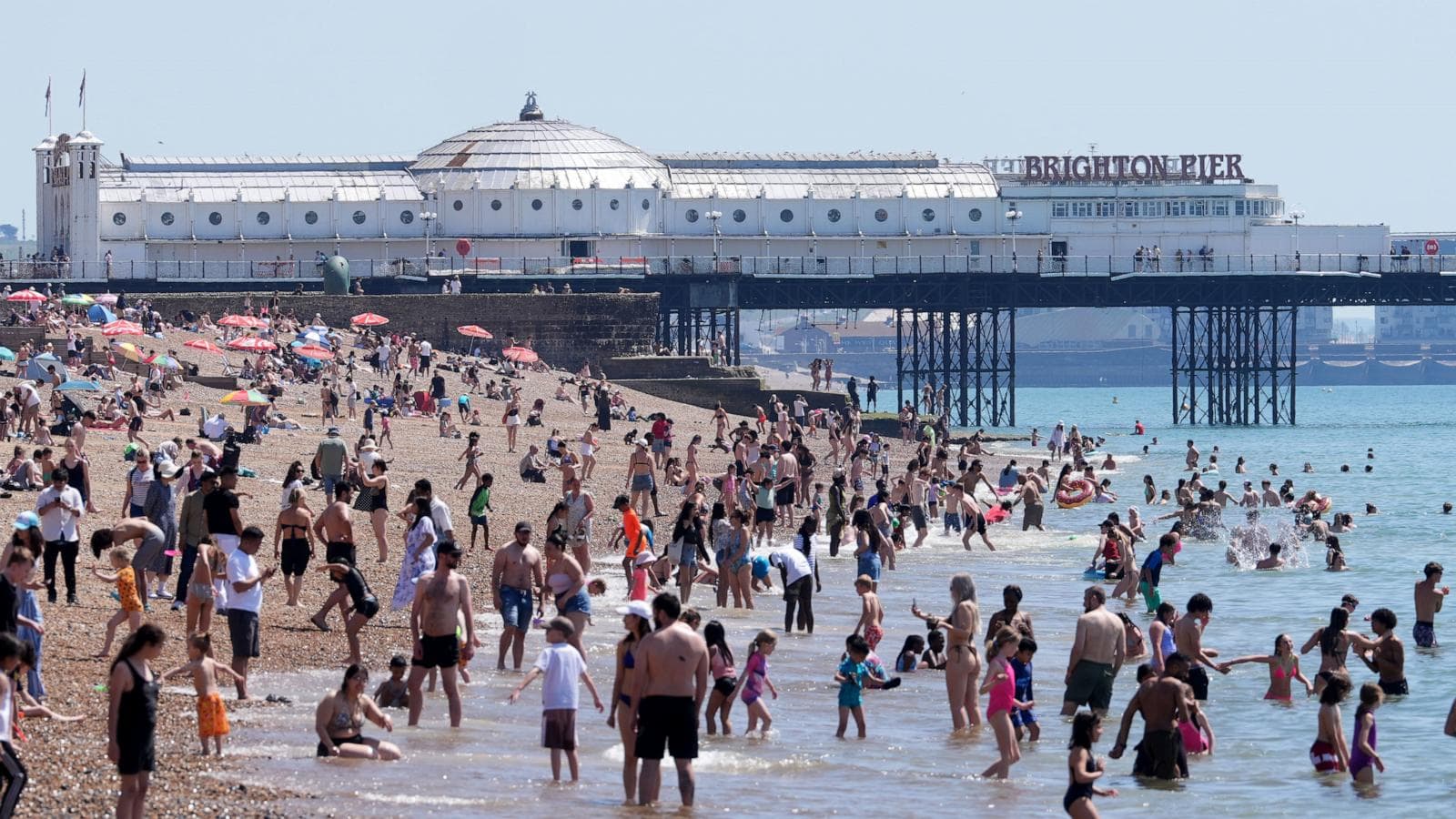
Here's what it means for you.
As extreme weather events become more frequent, your health and safety may be at greater risk, especially during summer months.
Why it matters
This early heat wave underscores the urgent need for adaptive measures in public health and infrastructure to mitigate climate-related risks.
What happened (in 30 seconds)
- Record-breaking temperatures: From May 25 to May 27, 2026, Western Europe experienced unprecedented heat, with the UK hitting 95.2°F (35.1°C) and France reaching 37°C.
- Fatalities reported: At least 11 deaths occurred due to the extreme heat, including drownings and health emergencies, prompting emergency responses.
- Government action: The French government activated its heat-warning system for the first time in May since 2004, highlighting the seriousness of the situation.
The context you actually need
- Heat dome phenomenon: The heat wave was driven by a 'heat dome,' where high-pressure systems trap warm air, leading to extreme temperatures.
- Climate change impact: Historical data shows that climate change is increasing the frequency and intensity of heat waves, making such events more common.
- Public health strain: Emergency services faced significant challenges as they dealt with increased health emergencies and fatalities, particularly among vulnerable populations.
What's really happening
The early heat wave in May 2026 is a stark reminder of the changing climate and its direct impact on human health and safety. The phenomenon known as a 'heat dome' occurs when high-pressure systems trap warm air, leading to prolonged periods of extreme heat. This event marked a significant deviation from typical seasonal weather patterns, raising alarms among meteorologists and health officials.
In the UK, the temperature soared to 95.2°F (35.1°C) at Kew Gardens, breaking a record that had stood since 1922. The following day, London experienced a 'tropical night,' where temperatures did not drop below 68°F (20°C). In France, the heat reached 37°C, marking the hottest May day ever recorded nationwide. Such extreme temperatures are not just uncomfortable; they pose serious health risks, particularly for vulnerable populations such as the elderly, children, and those with pre-existing health conditions.
The consequences of this heat wave were dire, with at least four drownings in the UK and seven deaths in France, including fatalities during sporting events. Emergency services were overwhelmed, highlighting the urgent need for effective cooling solutions and public health strategies. The French government activated its heat-warning system for the first time in May since its introduction in 2004, indicating the seriousness of the situation and the need for proactive measures.
This event is part of a broader trend linked to climate change, which is contributing to the increasing frequency and intensity of heat waves across Europe. Historical data indicates that Europe has experienced similar heat events, but the severity and timing of this occurrence have raised significant concerns. The estimated number of heat-related deaths in Europe during the hottest year on record in 2024 was around 62,000, illustrating the potential scale of the impact.
As climate change continues to alter weather patterns, the implications for public health, infrastructure, and emergency services will be profound. The need for adaptive measures, including improved cooling solutions and public health advisories, is more critical than ever.
Who feels it first (and how)
- Healthcare providers: Increased patient loads due to heat-related illnesses and emergencies.
- Emergency services: Strain on resources as they respond to a surge in health crises and fatalities.
- Vulnerable populations: Elderly individuals, children, and those with pre-existing conditions face heightened risks during extreme heat events.
- Local governments: Increased pressure to implement effective public health measures and emergency responses.
What to watch next
- Emergency response effectiveness: Monitor how local governments adapt their emergency services to handle future heat waves and their impact on public health.
- Public health advisories: Watch for the issuance of health warnings and guidelines aimed at protecting vulnerable populations during extreme heat events.
- Climate policy changes: Keep an eye on potential shifts in climate policy as governments respond to the increasing frequency of extreme weather events.
The early heat wave resulted in fatalities and overwhelmed emergency services in affected regions.
Future heat waves will become more frequent and intense, necessitating improved public health strategies and infrastructure.
The long-term effectiveness of newly implemented heat-warning systems and public health measures remains to be seen.
Frequently Asked Questions
- Why it matters?
- This early heat wave underscores the urgent need for adaptive measures in public health and infrastructure to mitigate climate-related risks.
- What happened (in 30 seconds)?
- Record-breaking temperatures: From May 25 to May 27, 2026, Western Europe experienced unprecedented heat, with the UK hitting 95.2°F (35.1°C) and France reaching 37°C. Fatalities reported: At least 11 deaths occurred due to the extreme heat, including drownings and health emergencies, prompting emergency responses. Government action: The French government activated its heat-warning system for the first time in May since 2004, highlighting the seriousness of the situation.
- What's really happening?
- The early heat wave in May 2026 is a stark reminder of the changing climate and its direct impact on human health and safety. The phenomenon known as a 'heat dome' occurs when high-pressure systems trap warm air, leading to prolonged periods of extreme heat. This event marked a significant deviation from typical seasonal weather patterns, raising alarms among meteorologists and health officials. In the UK, the temperature soared to 95.2°F (35.1°C) at Kew Gardens, breaking a record that had stoo
- Who feels it first (and how)?
- Healthcare providers: Increased patient loads due to heat-related illnesses and emergencies. Emergency services: Strain on resources as they respond to a surge in health crises and fatalities. Vulnerable populations: Elderly individuals, children, and those with pre-existing conditions face heightened risks during extreme heat events. Local governments: Increased pressure to implement effective public health measures and emergency responses.
- What to watch next?
- Emergency response effectiveness: Monitor how local governments adapt their emergency services to handle future heat waves and their impact on public health. Public health advisories: Watch for the issuance of health warnings and guidelines aimed at protecting vulnerable populations during extreme heat events. Climate policy changes: Keep an eye on potential shifts in climate policy as governments respond to the increasing frequency of extreme weather events.
Global news coverage with extensive reporting on Middle Eastern conflicts and geopolitics.
"Al Jazeera is a Qatar-based broadcaster known for wide regional coverage and alternative perspectives."
— A47 Editor
Europe hit by record-breaking heatwave
Europe is currently experiencing a record-breaking heatwave, with temperatures soaring across the continent, prompting multiple countries to issue heat warnings. This unseasonal weather phenomenon has raised alarms among climate experts, who note tha...
Comprehensive coverage of Middle Eastern and global issues.
"Al Jazeera is a prominent voice from the Global South, especially the Middle East, with an emphasis on underreported stories."
— A47 Editor
Europe hit by record-breaking heatwave
Europe is currently experiencing a record-breaking heatwave, with temperatures soaring across the continent, prompting multiple countries to issue heat warnings. This unseasonal weather phenomenon has raised alarms among climate experts, who note tha...
24/7 international news from a French perspective in multiple languages.
"France 24 is viewed as a globally focused outlet with balanced coverage and a European perspective."
— A47 Editor
Hotter than July: Can electrification save humanity from soaring heat?
Europe is currently experiencing an unprecedented heatwave, with record-breaking temperatures attributed to a heat dome drifting from the Sahara. This extreme weather event has led to multiple fatalities and is forcing a reevaluation of energy polici...
Global coverage of politics, crises, and international affairs.
"HuffPost provides progressive-oriented reporting on international developments, often focusing on humanitarian and social justice issues."
— A47 Editor
Exceptionally Early Heat Wave Shatters Records And Brings Deaths In Europe
An exceptionally early heat wave has struck Europe, breaking temperature records and leading to multiple fatalities, particularly in the UK and France, where temperatures soared to 95 degrees Fahrenheit. This extreme weather event has been attributed...
United Kingdom-focused news including local politics, business, and social issues.
"BBC News is widely regarded as a reputable international news organization, known for its impartial tone and public service mandate."
— A47 Editor
Why temperature records are being not only broken but smashed
Western Europe is experiencing unprecedented heat, attributed to a combination of a heat dome and climate change, leading to record-breaking temperatures. This extreme warmth has raised concerns about public health and environmental impacts across th...
Reports on climate change, environmental science, sustainability, and nature.
"BBC News is widely regarded as a reputable international news organization, known for its impartial tone and public service mandate."
— A47 Editor
Why temperature records are being not only broken but smashed
Western Europe is experiencing unprecedented heat, attributed to a combination of a heat dome and climate change, leading to record-breaking temperatures. This extreme warmth has raised concerns about public health and environmental impacts across th...
International stories from NPR’s global desk.
"NPR is an American public media organization known for thoughtful reporting and a slightly left-leaning editorial tone."
— A47 Editor
An exceptionally early heat wave shatters records and brings deaths in Europe
An exceptionally early heat wave has struck Europe, with London experiencing temperatures reaching 95 degrees Fahrenheit over the past two days, breaking records and prompting government warnings. This extreme weather event has been linked to a 'heat...
Medical headlines, wellness tips, and public health guidance.
"ABC News delivers broad national coverage with a mainstream editorial stance, focusing on accessibility and balanced reporting."
— A47 Editor
Exceptionally early heat wave shatters records and brings deaths in Europe
An exceptionally early heat wave is currently affecting parts of Western Europe, leading to record-breaking temperatures and prompting government warnings about the severe health risks associated with the extreme weather. The situation has resulted i...
International coverage of politics, security, and social issues.
"Global News is a mainstream Canadian outlet with a centrist editorial stance, focusing on factual reporting."
— A47 Editor
Intense European heat wave scorches as multiple countries report deaths
An intense heat wave is currently scorching multiple countries in Europe, with experts reporting unprecedented weather extremes that have resulted in several deaths. The situation is exacerbated by a 'heat dome' phenomenon, leading to record-breaking...
Technology business news, market impacts, and innovation trends.
"Bloomberg is a premier financial and tech news provider, respected for its in-depth reporting and analytical rigor."
— A47 Editor
Deadly Heat Wave Breaks May Records Across Northwest Europe
The first major heat wave of the season has shattered temperature records across northwest Europe, leading to significant water shortages in the UK and being linked to multiple fatalities in France. This extreme weather event underscores the growing ...