
Study Shows HPV Vaccination Nearly Eliminates Cervical Cancer Death Risk in Young Women
Here's what it means for you.
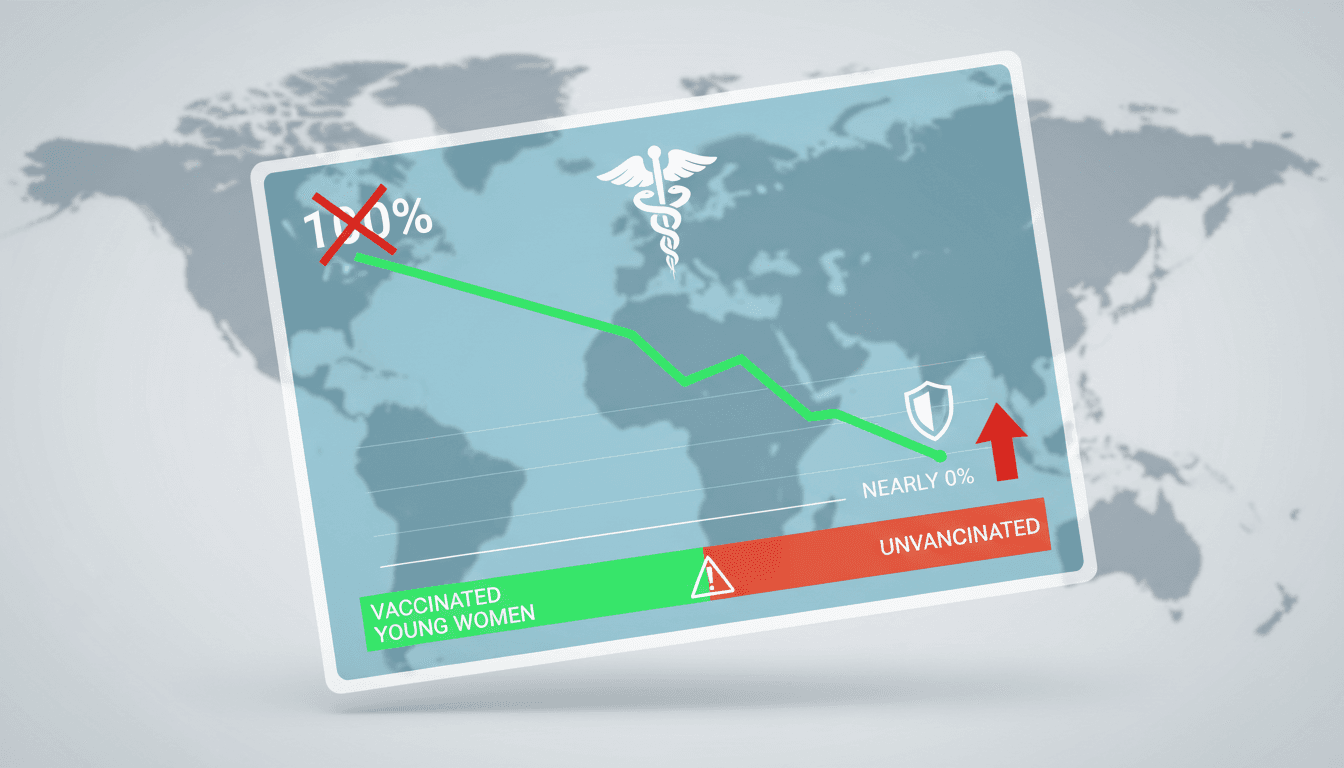
The latest findings underscore the critical importance of HPV vaccination in preventing cervical cancer deaths among young women. With the vaccine demonstrating nearly zero risk of mortality before age 30, public health initiatives must prioritize maintaining high vaccination rates. A decline in these rates could reverse the significant health gains achieved since the vaccine's introduction. As experts express concern over falling vaccination numbers, it is vital for stakeholders to engage in proactive measures to ensure continued access and education about the HPV vaccine. The implications for public health policy are profound, as sustained efforts are necessary to protect future generations from cervical cancer.
What happened
A recent study has revealed that young women vaccinated against HPV have an almost nonexistent risk of dying from cervical cancer before the age of 30. This significant finding highlights the effectiveness of the HPV vaccine, which has been available to school-age girls in the UK since 2008. The study indicates that no young women have died from cervical cancer in England for several years, a trend attributed to the successful HPV vaccination program.
The research emphasizes the importance of vaccination in drastically reducing the risk of cervical cancer death. As cervical cancer remains a serious health issue, with approximately 3,300 diagnoses annually in England, these findings are particularly timely. Experts are now calling for renewed efforts to maintain high vaccination rates to prevent a resurgence of cervical cancer cases.
The Context
The HPV vaccine has been offered to girls in the UK since 2008, marking a significant advancement in public health. Cervical cancer is the fourth most common cancer among women, making the vaccine's effectiveness crucial in combating this disease. However, experts are increasingly concerned about declining vaccination rates, which could lead to an increase in cervical cancer cases and deaths.
Maintaining high vaccination rates is essential to ensure that the progress made in reducing cervical cancer mortality is not lost. Public health officials are now focusing on strategies to engage communities and promote the importance of the HPV vaccine. The potential rise in cervical cancer cases due to lower vaccination rates poses a significant challenge that must be addressed.
Takeaway
Looking ahead, it is essential to monitor vaccination campaigns and their impact on cervical cancer rates. Public health initiatives aimed at increasing HPV vaccination among teenagers will be critical in sustaining the progress made thus far. Continued efforts are necessary to ensure that young women receive the HPV vaccine, thereby preventing future cervical cancer cases.
As the study highlights the vaccine's effectiveness, stakeholders must collaborate to raise awareness and encourage vaccination. The future of cervical cancer prevention hinges on these sustained efforts and public engagement to protect the health of young women.
Pan-Arab news coverage spanning politics, business, sports, and regional affairs.
"Asharq Al-Awsat reflects a broad Arab editorial perspective with strong attention to regional geopolitics."
— A47 Editor
خطر الوفاة يقترب من الصفر... لقاح فيروس الورم الحليمي يحقق إنجازاً ضد سرطان عنق الرحم
A recent scientific study has revealed that receiving the human papillomavirus (HPV) vaccine at an early age significantly reduces the risk of cervical cancer mortality before the age of thirty to nearly zero. This finding underscores the importance ...
UK and global health news, medicine, and public health research.
"BBC News is widely regarded as a reputable international news organization, known for its impartial tone and public service mandate."
— A47 Editor
Young women now have 'close to zero' risk of cervical cancer death after HPV jab
A recent study reveals that young women who received the HPV vaccine have a significantly reduced risk of dying from cervical cancer, with the likelihood now close to zero. This finding follows the introduction of the HPV jab for school-age girls in ...
United Kingdom-focused news including local politics, business, and social issues.
"BBC News is widely regarded as a reputable international news organization, known for its impartial tone and public service mandate."
— A47 Editor
Young women now have 'close to zero' risk of cervical cancer death after HPV jab
A recent study reveals that young women who received the HPV vaccine have a significantly reduced risk of dying from cervical cancer, with the likelihood now close to zero. This finding follows the introduction of the HPV jab for school-age girls in ...
Tech industry news, innovation, gadgets, and startups from a UK broadcaster.
"Sky News is often seen as a center-right outlet in the UK, known for its rolling coverage and breaking stories."
— A47 Editor
Children vaccinated for HPV have close to zero risk of dying from cervical cancer before age 30, study suggests
A recent study suggests that children vaccinated for HPV at ages 12-13 have an almost negligible risk of dying from cervical cancer before the age of 30. This finding emphasizes the effectiveness of early vaccination in preventing this serious diseas...
UK politics, business, and social stories.
"Sky News is a UK-based 24-hour channel known for fast-breaking news and political coverage."
— A47 Editor
Children vaccinated for HPV have close to zero risk of dying from cervical cancer before age 30, study suggests
A recent study suggests that children vaccinated for HPV at ages 12-13 have an almost negligible risk of dying from cervical cancer before the age of 30. This finding emphasizes the effectiveness of early vaccination in preventing this serious diseas...
Discoveries, research, environment, and health innovations.
"New Scientist is a well-respected publication offering accessible science news, commentary, and expert analysis."
— A47 Editor
Cervical cancer deaths have plummeted thanks to HPV vaccine
Recent studies indicate that cervical cancer deaths have significantly decreased due to the widespread administration of the HPV vaccine, with evidence now showing it also prevents fatalities associated with the disease.
Discoveries, research, environment, and health innovations.
"New Scientist is a well-respected publication offering accessible science news, commentary, and expert analysis."
— A47 Editor
No young women have died of cervical cancer in England for years
Recent findings indicate that no young women in England have died from cervical cancer for several years, highlighting the significant impact of the human papillomavirus (HPV) vaccine in preventing both infections and fatalities associated with this ...
Reports on science policy, discoveries, and public debate in the scientific realm.
"The Guardian’s science section is known for thoughtful and critical reporting on global research, ethics, and public understanding of science."
— A47 Editor
HPV jabs cut risk of dying from cervical cancer before 30 to almost zero
A recent study indicates that women who received the HPV vaccine in early adolescence have an almost zero risk of dying from cervical cancer before the age of 30. This finding underscores the effectiveness of vaccination programs in preventing cervic...
Top international stories selected by The Guardian editors.
"The Guardian is known for its progressive editorial stance and in-depth analysis."
— A47 Editor
HPV jabs cut risk of dying from cervical cancer before 30 to almost zero
A recent study indicates that women who received the HPV vaccine in early adolescence have an almost zero risk of dying from cervical cancer before the age of 30. This finding underscores the effectiveness of vaccination programs in preventing cervic...