
Escalating U.S.-Iran tensions threaten global economy via Strait of Hormuz
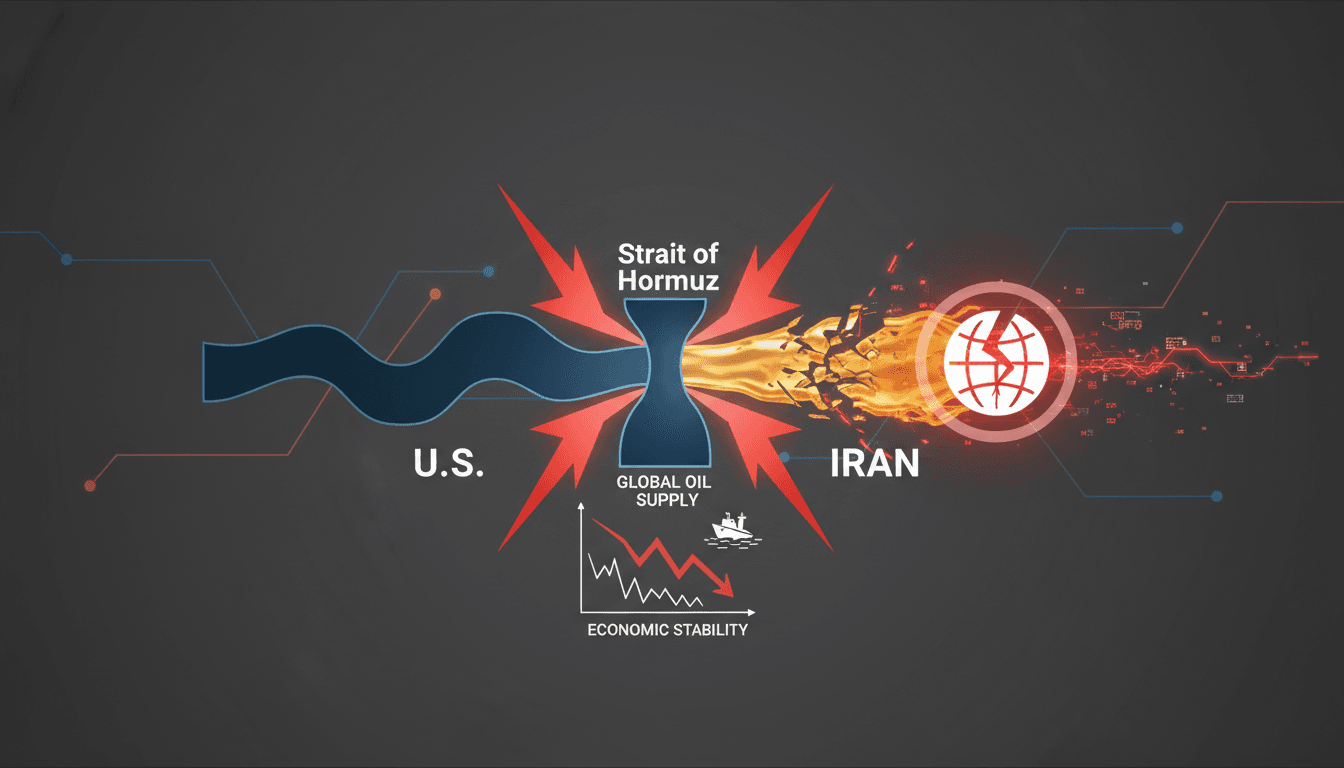
Here's what it means for you.
The rising tensions in the Strait of Hormuz pose a significant threat to global economic stability, particularly in the energy sector. With the International Energy Agency (IEA) and the International Monetary Fund (IMF) both issuing warnings, stakeholders must prepare for potential disruptions in oil supply. The current lack of buffer in the global economy means that any escalation could lead to severe repercussions for markets and consumers alike. As the situation develops, businesses and policymakers should closely monitor U.S.-Iran relations and their impact on oil prices. The urgency for resolution is paramount, as the implications of continued hostilities could ripple through various sectors.
What happened
The International Energy Agency and the International Monetary Fund have raised alarms regarding the escalating conflict in the Strait of Hormuz. Both organizations have indicated that the ongoing hostilities between the U.S. and Iran threaten the global economy, particularly in terms of oil supply stability. The IEA has emphasized the need for a resolution within weeks to avert severe economic fallout.
The IMF has also highlighted a concerning reduction in the global economy's capacity to absorb disruptions in oil supply. This situation is critical, as the Strait of Hormuz serves as a vital chokepoint for global oil transportation. Without immediate action, the risks to economic stability could intensify.
The Context
The Strait of Hormuz is a crucial passage for oil shipments, making it a focal point in global energy security. The current tensions arise amid renewed hostilities between the U.S. and Iran, which have historically impacted oil markets. The IEA's Executive Director, Fatih Birol, has underscored the urgency of addressing this crisis to prevent long-term economic repercussions.
As the geopolitical landscape shifts, the implications for global markets become increasingly pronounced. The diminished capacity to cushion against oil supply disruptions raises concerns for both policymakers and businesses reliant on stable energy supplies. The situation remains precarious, necessitating close attention to developments in U.S.-Iran relations.
Takeaway
If the situation in the Strait of Hormuz does not improve, the global economy could face significant challenges ahead. Stakeholders should monitor developments closely, particularly regarding changes in oil prices and supply chains. The warnings from the IEA and IMF serve as a call to action for governments and businesses to prepare for potential disruptions.
Continued vigilance will be essential as the geopolitical climate evolves. The need for a swift resolution to the tensions cannot be overstated, as the consequences of inaction could reverberate throughout the global economy.
Global markets, investing, and macroeconomics from a premier financial newsroom.
"Bloomberg is respected for in-depth financial reporting and data-driven analysis."
— A47 Editor
IEA Boss Warns Global Economy in Peril If Hormuz Crisis Persists
The International Energy Agency (IEA) Executive Director Fatih Birol has warned that the global economy is at risk if the ongoing crisis in the Strait of Hormuz is not resolved soon. The strait is a crucial maritime route for oil shipments, and conti...
U.S. business news, corporate developments, and economy.
"The Wall Street Journal is respected for deep financial and economic reporting with a center-right editorial perspective."
— A47 Editor
IMF Sees Reduced Cushion Against Oil Disruption for Global Economy
The International Monetary Fund (IMF) has reported a significant reduction in the global economy's ability to withstand disruptions in energy supplies, particularly through the Strait of Hormuz, as tensions between the U.S. and Iran escalate. This si...
Social/economic commentary and analysis relevant to business and markets.
"WSJ blends data-driven economic insight with commentary on policy and society."
— A47 Editor
IMF Sees Reduced Cushion Against Oil Disruption for Global Economy
The International Monetary Fund (IMF) has indicated that the global economy is increasingly vulnerable to disruptions in energy supplies, particularly through the Strait of Hormuz, as tensions between the U.S. and Iran escalate. This situation is exa...
Markets desk coverage, trading insights, and investor updates.
"WSJ’s markets reporting provides in-depth analysis and context for investors."
— A47 Editor
IMF Sees Reduced Cushion Against Oil Disruption for Global Economy
The International Monetary Fund (IMF) has reported a diminished capacity for the global economy to absorb shocks from potential disruptions in energy supplies, particularly through the strategically important Strait of Hormuz, as tensions between the...