
China bans Nvidia's RTX 5090D V2 gaming chip during CEO's visit
Here's what it means for you.
Nvidia's recent challenges in the Chinese market highlight the growing barriers U.S. tech companies face amid increasing restrictions. The ban on the RTX 5090D V2 gaming chip signals a strategic shift by China to bolster its domestic tech industry, particularly companies like Huawei. As Nvidia navigates these hurdles, it may need to rethink its approach to remain competitive in this critical market. The implications of this ban extend beyond Nvidia, potentially affecting the broader landscape of U.S.-China tech relations. Stakeholders in the tech industry should closely monitor how these dynamics evolve, as they could reshape market strategies and partnerships.
What happened
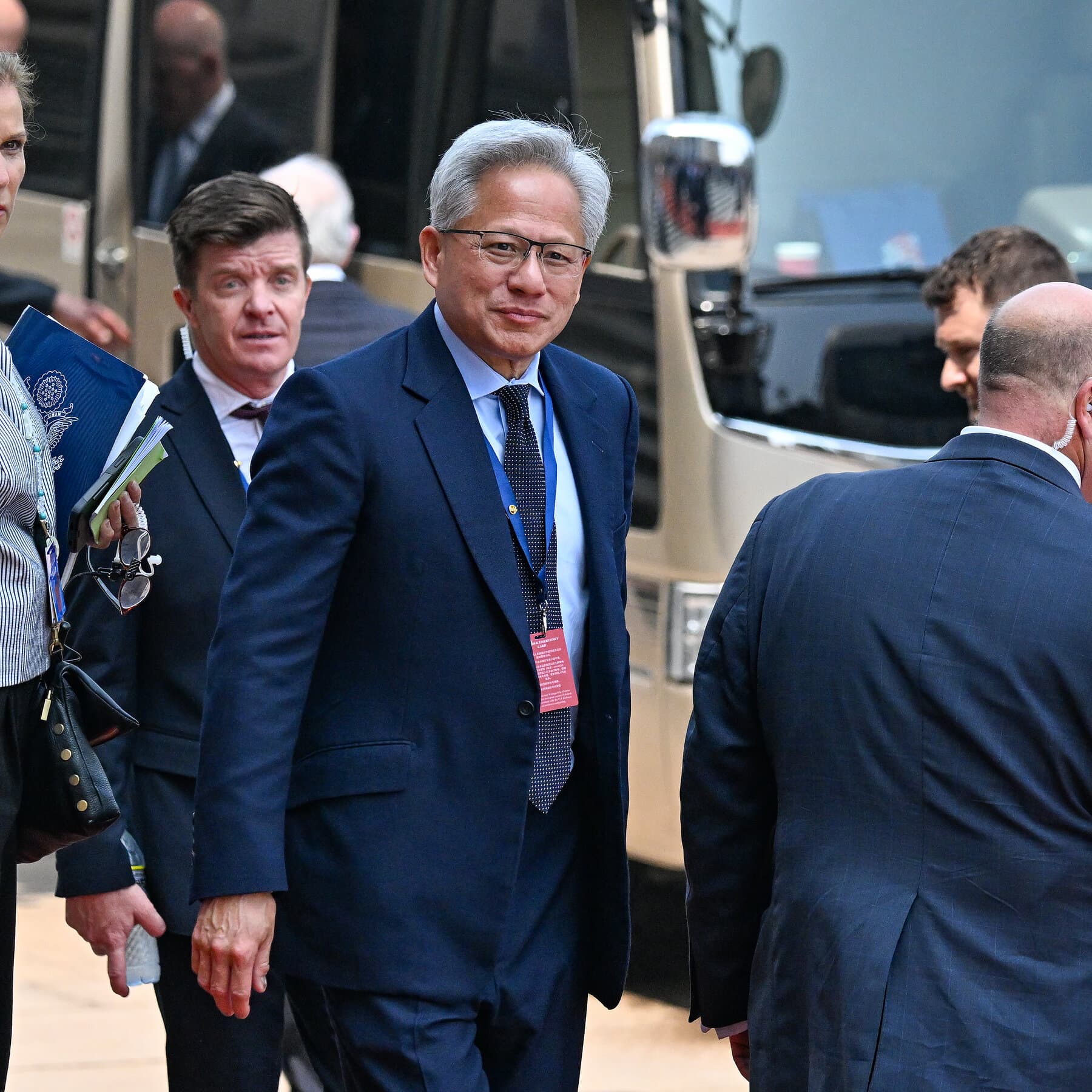
China imposed a ban on Nvidia's RTX 5090D V2 gaming chip during CEO Jensen Huang's visit to Beijing on May 15, 2026. This ban is part of a broader strategy to support domestic technology firms amid increasing restrictions on U.S. tech imports. Notably, Nvidia's H200 chip has not seen any sales in China, despite receiving U.S. approval for export.
During his visit, Huang did not discuss the H200 chip with Chinese officials, indicating a lack of optimism regarding future chip sale approvals. The timing of the ban coinciding with Huang's visit underscores the challenges U.S. tech firms face in penetrating the Chinese market.
The Context
The RTX 5090D V2 was banned as part of China's ongoing efforts to promote local competitors like Huawei and Cambricon. This move reflects a significant shift in China's tech policy, prioritizing domestic innovation over foreign imports. The ban highlights the increasing difficulties for U.S. companies to operate in China, particularly in the semiconductor sector.
Nvidia's struggle to gain traction in China is evident, as the company has largely conceded the AI chip market to local players. The lack of sales for the H200 chip further emphasizes the challenges Nvidia faces in establishing a foothold in this lucrative market.
Takeaway
Looking ahead, Nvidia's future in the Chinese market appears bleak as domestic competitors continue to gain ground. The company may need to reevaluate its market strategies and partnerships to remain relevant in the region. Stakeholders should monitor Nvidia's response to these developments and any potential shifts in U.S.-China tech relations that could impact chip sales.
As the Chinese government continues to bolster its domestic tech industry, the landscape for foreign tech firms will likely become increasingly competitive. Observing how Nvidia adapts to these challenges will be crucial for understanding the future of U.S. tech in China.
Tech industry coverage with AI angles.
"Mainstream tech news intersecting with AI policy and culture."
— A47 Editor
Trump Approved a Nvidia Chip for Sale in China. Beijing Doesn’t Want It.
Former President Donald Trump approved the sale of Nvidia's H200 chip in China, which was expected to enhance Beijing's artificial intelligence capabilities. However, despite this approval, no units have been purchased in China, and Jensen Huang, Nvi...
Tech policy, trends, and innovation news.
"The New York Times is a globally recognized newspaper offering authoritative reporting with a center-left editorial stance."
— A47 Editor
Trump Approved a Nvidia Chip for Sale in China. Beijing Doesn’t Want It.
Former President Donald Trump approved the sale of Nvidia's H200 chip in China, which was expected to enhance Beijing's artificial intelligence capabilities. However, despite this approval, no units have been purchased in China, and Jensen Huang, Nvi...
Markets, economy, and company analysis from NYT’s business desk.
"The New York Times is a globally recognized newspaper offering authoritative reporting with a center-left editorial stance."
— A47 Editor
Trump Approved a Nvidia Chip for Sale in China. Beijing Doesn’t Want It.
Former President Donald Trump approved the sale of Nvidia's H200 chip in China, which was expected to enhance Beijing's artificial intelligence capabilities; however, no purchases have been made to date. Jensen Huang, Nvidia's CEO, did not discuss th...
Opinionated AI coverage for general audiences.
"TNW’s AI vertical covering tools, ethics, and trends."
— A47 Editor
China blocks NVIDIA’s RTX 5090D V2 imports while Jensen Huang was in Beijing
China has halted imports of NVIDIA's RTX 5090D V2 gaming card as of May 15, coinciding with CEO Jensen Huang's visit to Beijing during a state trip led by former President Trump. This ban is significant as the RTX 5090D V2 was being utilized by Chine...
Curated tech headlines including AI stories.
"Influential aggregator surfacing the day’s top tech/AI links."
— A47 Editor
Jensen Huang said that Nvidia has "largely conceded" China's AI chip market to Huawei and should "expect nothing" regarding chip sale approvals to China (Lee Ying Shan/CNBC)
Jensen Huang, CEO of Nvidia, stated that the company has largely conceded the artificial intelligence chip market in China to Huawei, expressing a lack of expectation for future chip sale approvals to the country. This admission highlights the compet...
In-depth reporting on tech, policy, and science including AI.
"Respected analysis for technically savvy readers, including AI topics."
— A47 Editor
China banned RTX 5090D V2 while Nvidia CEO Jensen Huang was visiting
China has officially banned the RTX 5090D V2 chip from entering its customs checkpoints, coinciding with Nvidia CEO Jensen Huang's visit to the country. This decision was made public last Friday and highlights ongoing tensions in the tech trade betwe...
In-depth coverage of hardware, software, science, and policy.
"Ars Technica provides expert technology news, hardware reviews, and analysis for a technically savvy audience."
— A47 Editor
China banned RTX 5090D V2 while Nvidia CEO Jensen Huang was visiting
China has officially banned the RTX 5090D V2 chip from entering its customs checkpoints, coinciding with Nvidia CEO Jensen Huang's visit to the country. This decision was made public last Friday and highlights ongoing tensions in the tech trade betwe...
Editor-curated FT homepage stories spanning markets, business, world, and opinion.
"The Financial Times is a globally respected business publication with a centrist/center-left tone and strong markets focus."
— A47 Editor
China banned Nvidia’s gaming chip during Jensen Huang’s visit
China has banned Nvidia's gaming chip during CEO Jensen Huang's visit, a move aimed at bolstering domestic competitors like Huawei and Cambricon as they strive to catch up with U.S. technology firms. This decision reflects ongoing tensions in the sem...