
U.S. escalates military actions against Iran amid rising casualties
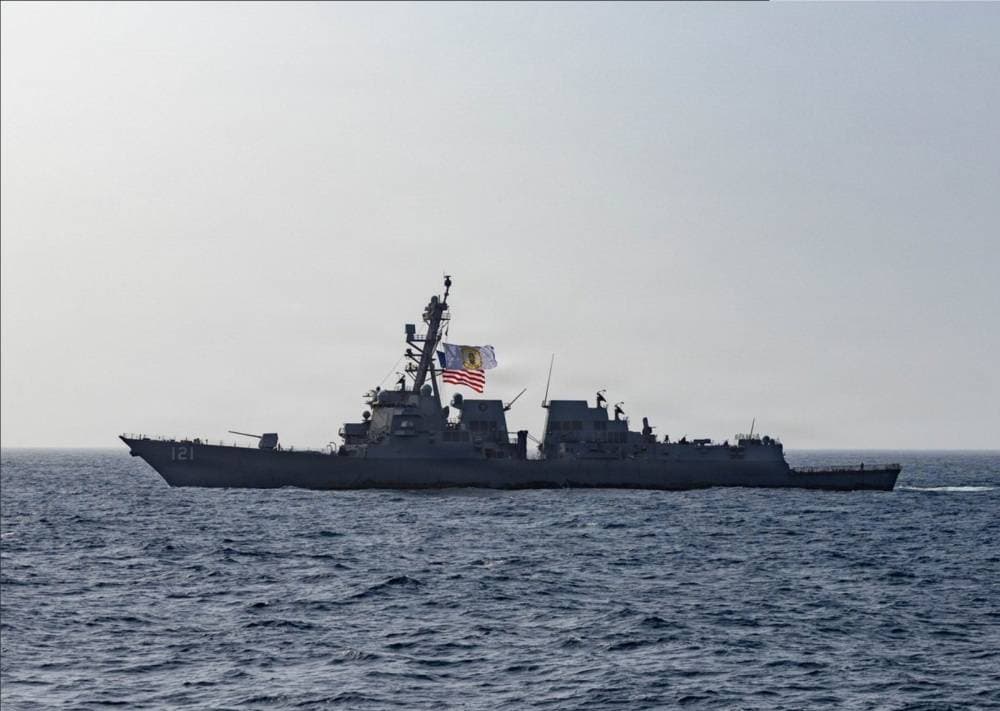
Here's what it means for you.
The recent escalation of U.S. military actions against Iran signals a critical juncture in international relations, with potential ramifications for global stability and energy markets. As casualties rise, the urgency for effective diplomatic interventions becomes paramount to prevent a broader conflict. Stakeholders in the energy sector should closely monitor developments, as disruptions could impact oil prices and supply chains. The ongoing military confrontations may also influence U.S. foreign policy and its relationships with regional allies and adversaries. A failure to stabilize the situation could lead to increased tensions and further military engagements.
What happened
The U.S. has intensified its military response by launching extensive airstrikes against Iranian military sites. This action comes in direct response to ongoing attacks on American forces, which have resulted in significant casualties. Since February, 16 U.S. soldiers have lost their lives, prompting President Trump to confirm the airstrikes as a necessary measure.
The conflict has escalated over the past few months, with Iran threatening comprehensive retaliation if U.S. military actions persist. The situation has led to a humanitarian toll, with reports indicating that at least 50 individuals in Iran have died due to the airstrikes since late June.
The Context
The U.S.-Iran conflict has deep historical roots, with recent tensions flaring significantly since February 2026. The ongoing military actions have not only resulted in casualties but have also complicated diplomatic efforts aimed at achieving a ceasefire. Iran's threats of retaliation further exacerbate the situation, creating a precarious environment for regional stability.
As the U.S. continues its airstrikes, Iran has expanded its retaliatory measures, including attacks on U.S. bases in Kuwait. The re-imposition of sanctions on Iranian ports highlights the broader implications of this conflict, affecting trade and regional dynamics.
Takeaway
The current military actions suggest a potential for broader conflict unless diplomatic solutions are prioritized. Observers should monitor developments in U.S.-Iran diplomatic negotiations closely, as these will be crucial in determining the future trajectory of the conflict. Additionally, responses from regional allies and adversaries will play a significant role in shaping the geopolitical landscape.
Without effective intervention, the risk of a larger regional war looms, which could have dire consequences for global stability and energy supplies. The international community must remain vigilant as the situation unfolds.
Arabic-language coverage of Saudi, regional, and international affairs.
"Al Bilad offers mainstream Saudi newspaper coverage across domestic and broader Arab topics."
— A47 Editor
ترمب يؤكد الرد على الهجمات.. وبزشكيان: الحرب شاملة.. وساطة دولية لهدنة مؤقتة
Tensions between the United States and Iran are escalating as military strikes and threats continue, prompting increased diplomatic efforts to contain the crisis and prevent a broader conflict that could destabilize the region and threaten global ene...
Arabic-language coverage of international news and geopolitics.
"RT Arabic is a Russian state-funded outlet often criticized for promoting Kremlin-aligned narratives."
— A47 Editor
ترامب: وجهنا ضربة قوية جدا لإيران الليلة
U.S. President Donald Trump announced early Monday that the United States executed a 'very strong strike' against Iran in recent hours, marking a significant escalation in ongoing military operations. This statement reflects the heightened tensions b...
Coverage of political affairs and regional developments from a Saudi perspective.
"Al Watan political coverage typically follows a mainstream Saudi framing of regional and national issues."
— A47 Editor
طهران وواشنطن على حافة حرب مفتوحة
The U.S.-Iran confrontation has escalated significantly, with American airstrikes continuing for the eighth consecutive night, targeting Revolutionary Guard positions and coastal defense facilities in Bandar Abbas and Qeshm Island. This follows Irani...