
Bolivia declares state of emergency amid escalating protests against austerity measures
Here's what it means for you.
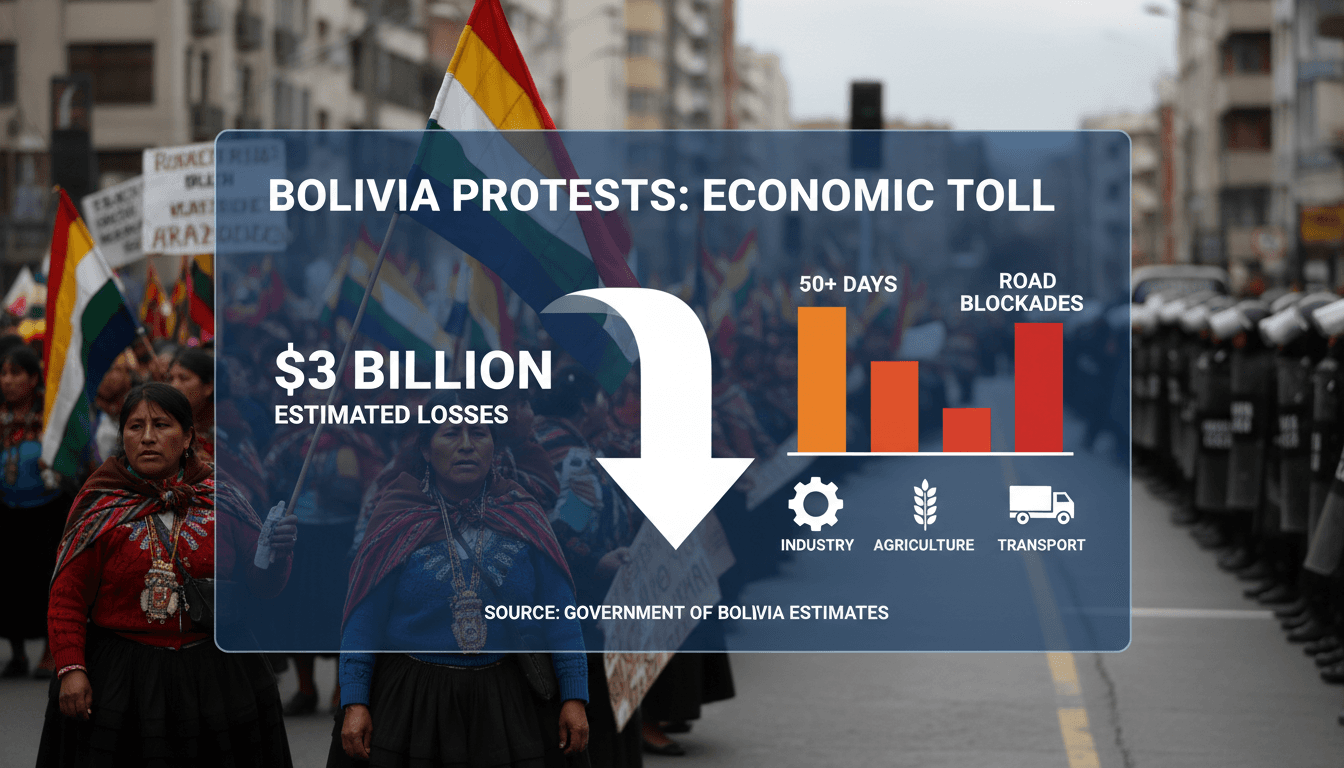
The declaration of a state of emergency in Bolivia signals a critical juncture for the nation as it grapples with significant civil unrest. The ongoing protests against austerity measures could have far-reaching implications for economic stability and governance. Stakeholders, including businesses and international partners, should closely monitor the situation as it unfolds, particularly regarding potential negotiations between the government and protest leaders. The economic impact of the protests, estimated at $3 billion, underscores the urgency for effective dialogue and resolution. As the government seeks to restore order, the balance between maintaining public safety and addressing the grievances of protestors will be pivotal.
What happened
President Rodrigo Paz declared a state of emergency in Bolivia in response to escalating protests and road blockades. These protests, primarily led by Indigenous and rural workers' groups, have persisted for over 50 days, resulting in significant economic disruption. The government's decision to call in military support reflects the severity of the situation, as road blockades have led to shortages of essential goods.
The unrest has been fueled by austerity measures implemented by President Paz, including cuts to fuel subsidies and currency market reforms. As the protests continue, the government faces the challenge of restoring normalcy while engaging in dialogue with protest leaders.
The Context
The protests in Bolivia are largely driven by highland Indigenous and rural workers' groups who initially supported President Paz's rise to power. The ongoing unrest has caused an estimated $3 billion in economic losses, representing approximately 6% of Bolivia's annual GDP. This economic strain has led to shortages of food and medicine across the country, exacerbating the situation.
The declaration of a state of emergency aims to reopen blocked roads and restore order, but it also raises concerns about the potential for increased violence. The government's ability to navigate this crisis will be crucial for the future stability of Bolivia and its economy.
Takeaway
As Bolivia navigates this crisis, the government's response to ongoing protests will be critical. Observers should watch for potential negotiations with protest leaders, which could either alleviate tensions or lead to further unrest. International reactions, particularly from the U.S. regarding humanitarian aid, will also play a significant role in shaping the situation.
The outlook remains tense, with the potential for additional protests as the government attempts to balance restoring order and addressing the concerns of its citizens. The coming days will be pivotal in determining the trajectory of Bolivia's political and economic landscape.
Corporate leadership, finance, technology, and market trends.
"Fortune covers financial trends, leadership, and innovation with a pragmatic editorial approach."
— A47 Editor
Bolivia’s president calls in military after road blockades uncork violence and death
Bolivia's President Rodrigo Paz has called in the military to address escalating violence and deaths resulting from widespread road blockades led by highland Indigenous and rural workers' groups. These protests have intensified following dissatisfact...
Global news coverage with extensive reporting on Middle Eastern conflicts and geopolitics.
"Al Jazeera is a Qatar-based broadcaster known for wide regional coverage and alternative perspectives."
— A47 Editor
Bolivia declares state of emergency amid blockade crisis
Bolivia has declared a state of emergency as protests against President Rodrigo Paz's austerity measures escalate, leading to significant disruptions in the economy and public order. The unrest, which has persisted for weeks, has seen demonstrators e...
Comprehensive coverage of Middle Eastern and global issues.
"Al Jazeera is a prominent voice from the Global South, especially the Middle East, with an emphasis on underreported stories."
— A47 Editor
Bolivia declares state of emergency amid blockade crisis
Bolivia has declared a state of emergency as protests against President Rodrigo Paz's austerity measures escalate, leading to significant disruptions in the economy and public order. The unrest, which has persisted for weeks, has seen demonstrators e...
Arabic-language coverage of political affairs and current events.
"Okaz political coverage typically follows mainstream Saudi framing on national and regional affairs."
— A47 Editor
بعد 50 يوماً من الاضطرابات.. رئيس بوليفيا يعلن الطوارئ
Bolivian President Rodrigo Paz declared a state of emergency after 50 days of road closures and unrest that severely impacted the economy. He stated that the emergency aims to reopen roads and restore normalcy, emphasizing the need for dialogue and c...