
US-Iran military confrontation escalates amid stalled diplomatic efforts
Here's what it means for you.
The escalating military confrontation between the U.S. and Iran poses significant risks to global markets, particularly in energy and shipping sectors. As tensions rise in the Strait of Hormuz, stakeholders must prepare for potential disruptions that could affect oil prices and maritime security. The ongoing military actions and stalled diplomatic efforts highlight the precarious balance between conflict and negotiation, impacting policy decisions on both sides.
What happened
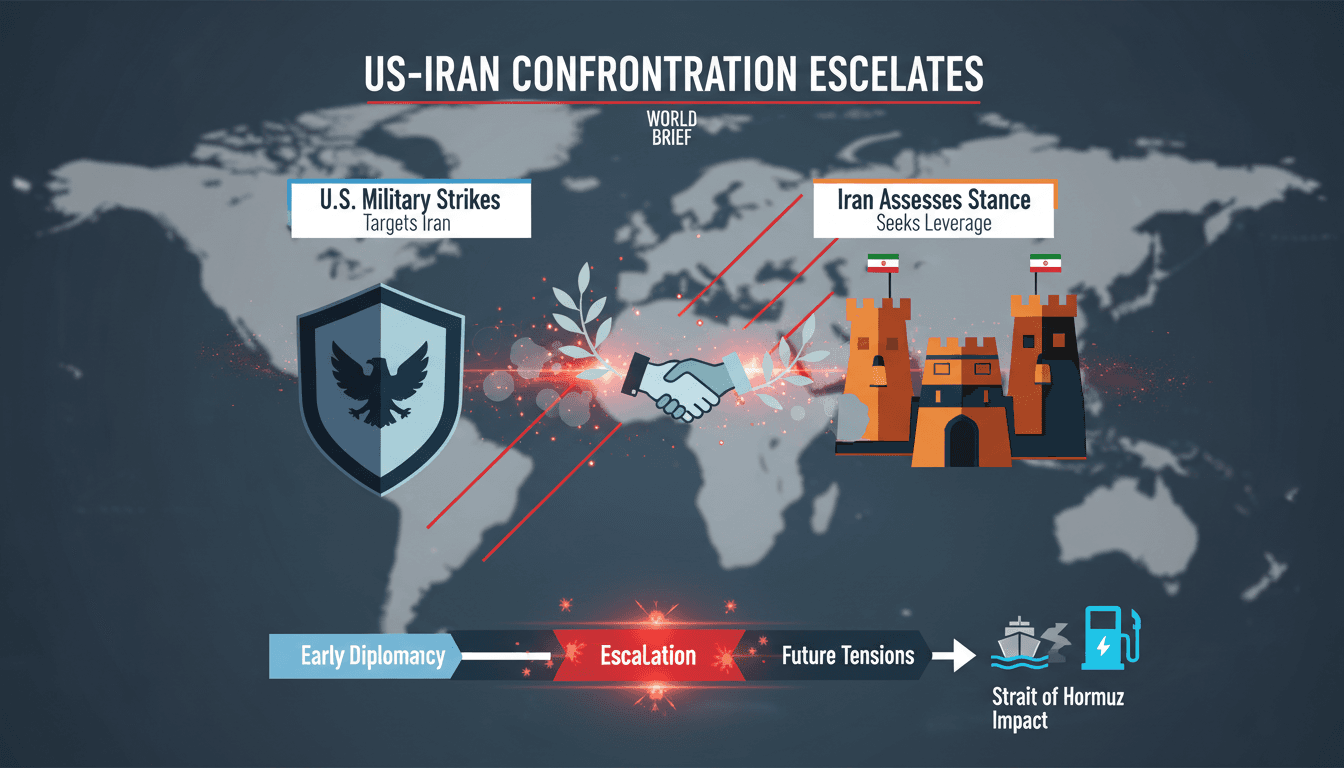
The United States has conducted military strikes against Iranian military targets while simultaneously expressing a willingness to engage in diplomatic dialogue. This dual approach underscores the complexity of the situation, as both nations navigate their military and diplomatic strategies. Despite receiving messages indicating U.S. interest in negotiations, Iran believes it must first strengthen its position before resuming talks.
The U.S. has increased its military presence in the region, deploying additional fighter jets to bolster its capabilities. This escalation comes amid rising concerns over maritime security in the Strait of Hormuz, where the number of ships transiting the area has decreased. The ongoing conflict has resulted in a total of 17 U.S. military fatalities since its onset, emphasizing the human cost of these hostilities.
The Context
The military confrontation between the U.S. and Iran is rooted in a long history of geopolitical tensions and strategic maneuvering. Iran's Foreign Ministry has stated that diplomacy cannot replace military action, reflecting its current stance on negotiations. As both nations weigh their options, the situation is further complicated by the rising tensions in the Strait of Hormuz, a critical chokepoint for global shipping and energy supplies.
The U.S. aims to diminish Iran's military threat in the region, while Iran assesses its strategic position before engaging in any negotiations. The interplay of military actions and diplomatic overtures creates a volatile environment, with implications for regional stability and international relations. As both sides continue to engage in this complex conflict, the potential for further escalation remains a pressing concern.
Takeaway
The situation between the U.S. and Iran remains tense, with both sides weighing their military and diplomatic options. Observers should monitor further military actions by the U.S. and Iran in the region, as well as any developments in diplomatic communications through intermediaries. The ongoing cycle of military escalation and diplomatic maneuvering suggests that a resolution may be uncertain, with the risk of further conflict looming.
As the U.S. maintains its military presence and Iran reassesses its strategic position, the potential for a diplomatic resolution appears limited. Stakeholders should remain vigilant as the dynamics of this conflict evolve, particularly in light of the implications for global shipping and energy supplies.
Arabic-language coverage of international news and geopolitics.
"RT Arabic is a Russian state-funded outlet often criticized for promoting Kremlin-aligned narratives."
— A47 Editor
مساع للتهدئة بين واشنطن وطهران
U.S. Secretary of State Marco Rubio stated that the United States remains open to diplomatic dialogue with Tehran, despite ongoing military tensions between the two nations. This statement reflects an effort to seek a resolution amidst escalating hos...
Arabic-language coverage of political affairs and current events.
"Okaz political coverage typically follows mainstream Saudi framing on national and regional affairs."
— A47 Editor
أمريكا وإيران.. رسائل تفاوض تحت النار
The military confrontation between the United States and Iran is escalating, with ongoing exchanges of strikes in the region. Diplomatic efforts through intermediaries continue, as Washington maintains that the door to negotiations remains open, whil...
Jordanian news and regional updates.
"Roya News is a Jordanian outlet focused on breaking news and local affairs."
— A47 Editor
روبيو: الإيرانيون يرسلون إشارات برغبتهم في التفاوض
U.S. Secretary of State Marco Rubio stated that Iranians are sending signals indicating their desire to negotiate. This assertion highlights a potential shift in diplomatic relations and the willingness of Iran to engage in discussions.