
Intel and Google expand partnership to enhance AI chip design
Here's what it means for you.
The expanded partnership between Intel and Google signifies a pivotal shift in AI chip design, potentially reshaping the landscape of artificial intelligence. By integrating advanced AI tools into chip architecture, this collaboration aims to enhance efficiency and reduce operational costs significantly. As Google prepares to launch its 'Frozen v2' chip, the implications for the industry could be profound, setting new benchmarks for performance and cost-effectiveness. This partnership not only positions Google as a frontrunner in AI efficiency but also raises the stakes for competitors in the market. The advancements in chip technology could redefine how AI applications are developed and deployed across various sectors.
What happened
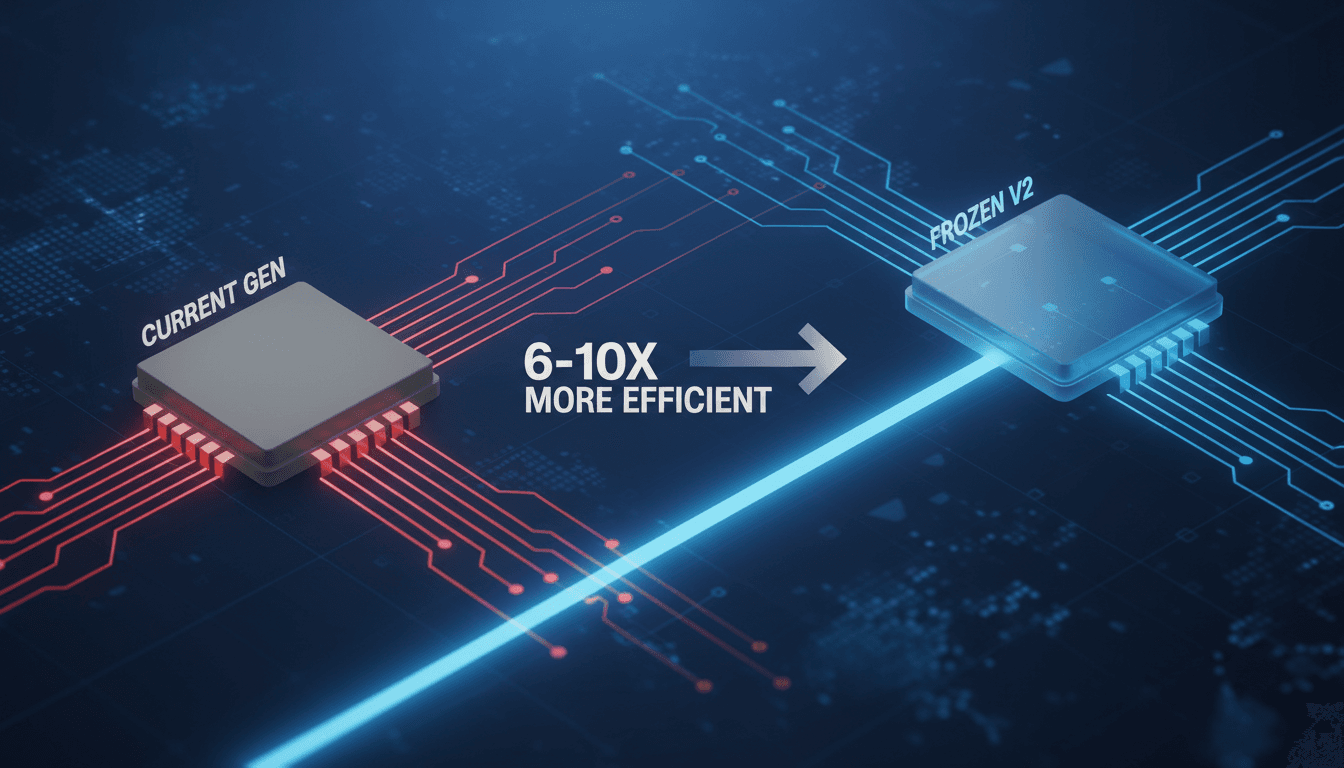
Intel and Google have announced an expanded partnership aimed at enhancing AI chip design, particularly through the integration of the Gemini AI model. This collaboration focuses on developing a specialized server chip, informally known as 'Frozen v2', which is expected to significantly improve the efficiency of AI operations. The new chip is projected to be 6 to 10 times more efficient than current technology, marking a substantial leap forward in performance.
Scheduled for release in 2028, the 'Frozen v2' chip is designed to integrate Gemini's architecture directly into silicon. This innovation is anticipated to drastically reduce AI inference costs for Google, further solidifying its position in the competitive landscape of AI technology.
The Context
The partnership between Intel and Google was officially announced on July 16, 2026, highlighting a strategic move to deploy Gemini Enterprise across Intel's workforce. This collaboration comes at a time when the demand for efficient AI solutions is surging, necessitating advancements in chip technology. The 'Frozen v2' chip is not just a product; it represents a broader trend towards integrating AI capabilities directly into hardware.
As AI technology continues to evolve, the implications of this partnership extend beyond Google and Intel. Other companies in the AI sector, such as OpenAI and Anthropic, will likely feel the pressure to innovate in response to these advancements. The timing of this collaboration is crucial, as it aligns with growing industry expectations for enhanced performance and cost efficiency.
Takeaway
The advancements in AI chip design through the Intel and Google partnership could position Google as a leader in AI efficiency and cost-effectiveness. As the development timeline for the 'Frozen v2' chip unfolds, stakeholders will be closely monitoring its impact on the market. The potential for reducing AI inference costs could set new operational standards across the industry.
Looking ahead, it will be essential to watch for competitive responses from other AI companies as they adapt to these technological shifts. The integration of specialized chips like 'Frozen v2' may redefine operational efficiencies and cost structures, influencing the future of AI performance.
Startup news with frequent AI coverage.
"Covers launches, funding, and product updates in AI."
— A47 Editor
Google is working on a new AI chip designed to make Gemini more efficient
Alphabet, Google's parent company, is reportedly developing a new AI chip aimed at enhancing the efficiency of its Gemini models. This initiative is part of Google's broader strategy to improve its artificial intelligence capabilities amid ongoing ch...
Daily AI news: models, tools, and policy.
"Independent outlet tracking the fast pace of AI."
— A47 Editor
Google's "Frozen v2" chip reportedly bakes Gemini's architecture directly into silicon for efficiency gains
Google is reportedly developing a new server chip, informally named 'Frozen v2', which integrates the Gemini architecture directly into silicon. This innovative approach aims to enhance efficiency, potentially making the chip 6 to 10 times more effic...
Opinionated AI coverage for general audiences.
"TNW’s AI vertical covering tools, ethics, and trends."
— A47 Editor
Google is building a chip with Gemini baked into the silicon
Google is reportedly developing a specialized chip, informally named 'Frozen v2', which will integrate the blueprint of its Gemini AI model directly into the silicon. This innovative approach marks a departure from traditional AI chips, which typical...
Technology business and AI-related headlines.
"Data-driven tech newsroom with global scope."
— A47 Editor
Google Shares Gain on Report of Chip to Boost AI Efficiency
Shares of Alphabet Inc., the parent company of Google, rose following reports that the company is developing a new server chip aimed at enhancing the efficiency of its Gemini artificial intelligence model. This development is seen as a strategic move...
Technology business news, market impacts, and innovation trends.
"Bloomberg is a premier financial and tech news provider, respected for its in-depth reporting and analytical rigor."
— A47 Editor
Google Shares Gain on Report of Chip to Boost AI Efficiency
Shares of Alphabet Inc., the parent company of Google, rose following reports that the company is developing a new server chip aimed at enhancing the efficiency of its Gemini artificial intelligence model. This development is seen as a strategic move...
Curated tech headlines including AI stories.
"Influential aggregator surfacing the day’s top tech/AI links."
— A47 Editor
Sources: Google is developing a specialized server chip, informally dubbed "Frozen v2", that integrates its Gemini AI model blueprint into the silicon, for 2028 (The Information)
Google is reportedly developing a new specialized server chip, informally named 'Frozen v2', which will integrate the blueprint of its Gemini AI model directly into the silicon, with a target release date set for 2028. This initiative aims to enhance...
Stock market news, investing ideas, and trading analysis.
"TheStreet provides market news and retail-investor-focused analysis."
— A47 Editor
Intel and Google deepen AI ties for chip design
Intel Corporation and Google Cloud announced an expanded partnership on July 16, 2026, focusing on the deployment of Gemini Enterprise across Intel's workforce and integrating agentic AI tools into its chip design process. This collaboration aims to ...