
Egyptian authorities block social media accounts of critics amid rising censorship concerns
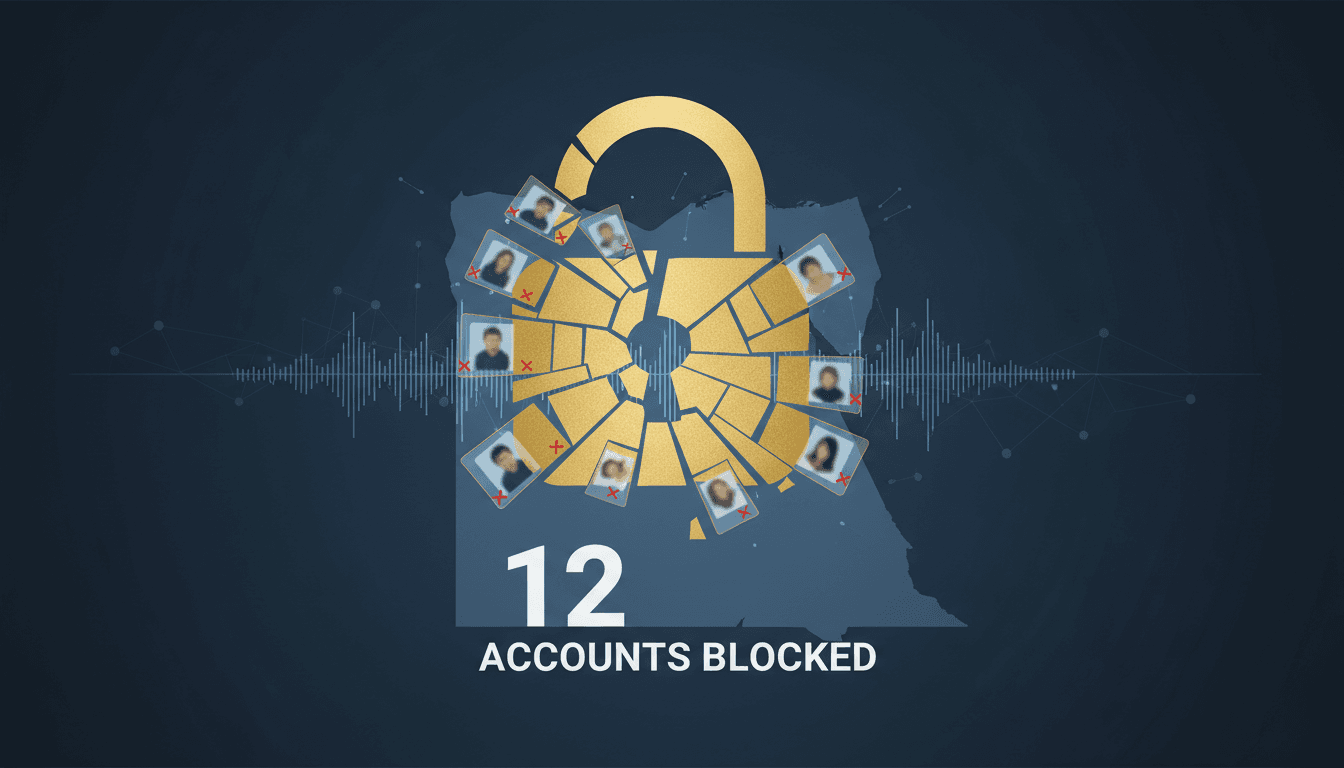
Here's what it means for you.
The recent blocking of social media accounts in Egypt signals a significant escalation in government efforts to control online discourse. This move raises critical questions about the future of free expression and the potential for increased censorship in the country. Stakeholders, including human rights advocates and social media users, should remain vigilant as these developments unfold. The implications of this crackdown extend beyond individual accounts, potentially affecting the broader landscape of public discourse in Egypt. As the government tightens its grip on social media, the environment for dissent and criticism may become increasingly hostile.
What happened
The Egyptian Public Prosecution has blocked the social media accounts of 12 individuals accused of spreading offensive content against state institutions. This action is part of a broader initiative by the government to control online narratives and combat perceived misinformation. The blocked accounts include prominent figures known for their criticism of the Egyptian government.
Authorities cited the dissemination of harmful content and incitement to hatred as justifications for this crackdown. The decision has sparked significant concern among advocates for free speech, who fear it may lead to further restrictions on public discourse in Egypt.
The Context
This recent action reflects ongoing tensions between the Egyptian government and its critics, highlighting the precarious state of freedom of expression in the country. The blocked accounts are not just random; they belong to individuals who have been vocal against government policies and actions. The timing of this crackdown coincides with a broader trend of increasing censorship and control over social media platforms.
As the government intensifies its efforts to regulate online discourse, the implications for civil liberties become more pronounced. The situation underscores the delicate balance between state security and individual rights, raising alarms about the future of free speech in Egypt.
Takeaway
Looking ahead, the situation warrants close monitoring, particularly regarding reactions from human rights organizations and potential legislative changes affecting social media regulations. The crackdown on dissent may lead to heightened scrutiny of social media use across the nation, impacting how citizens engage in public discourse.
As the government continues to assert control, the landscape for free expression in Egypt remains uncertain, with potential repercussions for social media users and advocates of civil liberties.
Arabic-language reporting on global and regional news.
"BBC Arabic is part of the BBC, generally regarded for editorial standards and broad international coverage."
— A47 Editor
النيابة المصرية تحجب حسابات معارضين على مواقع التواصل وسط تخوف من تقييد حرية التعبير
The Egyptian Public Prosecution has decided to block the accounts of 11 individuals on six social media platforms within the country, citing accusations of spreading 'offensive content' against state institutions and disseminating inciting speeches a...
Pan-Arab news coverage spanning politics, business, sports, and regional affairs.
"Asharq Al-Awsat reflects a broad Arab editorial perspective with strong attention to regional geopolitics."
— A47 Editor
مصر: حجب حسابات «مسيئة» لمؤسسات الدولة على مواقع التواصل الاجتماعي
The Egyptian Public Prosecution announced on Thursday the decision to block the accounts of 12 individuals on social media platforms within the country, citing their use of these platforms to disseminate 'offensive content' against state institutions...
Arabic-language coverage of international news and geopolitics.
"RT Arabic is a Russian state-funded outlet often criticized for promoting Kremlin-aligned narratives."
— A47 Editor
النيابة العامة المصرية تحجب حسابات تهاجم الدولة باستمرار
The Egyptian Public Prosecution has issued a decision to block social media accounts belonging to 12 individuals known for their continuous criticism of the Egyptian state. This action highlights the government's stance on dissent and its efforts to ...