
Iran to Charge Ships for Passage Through Strait of Hormuz After Fee-Free Period
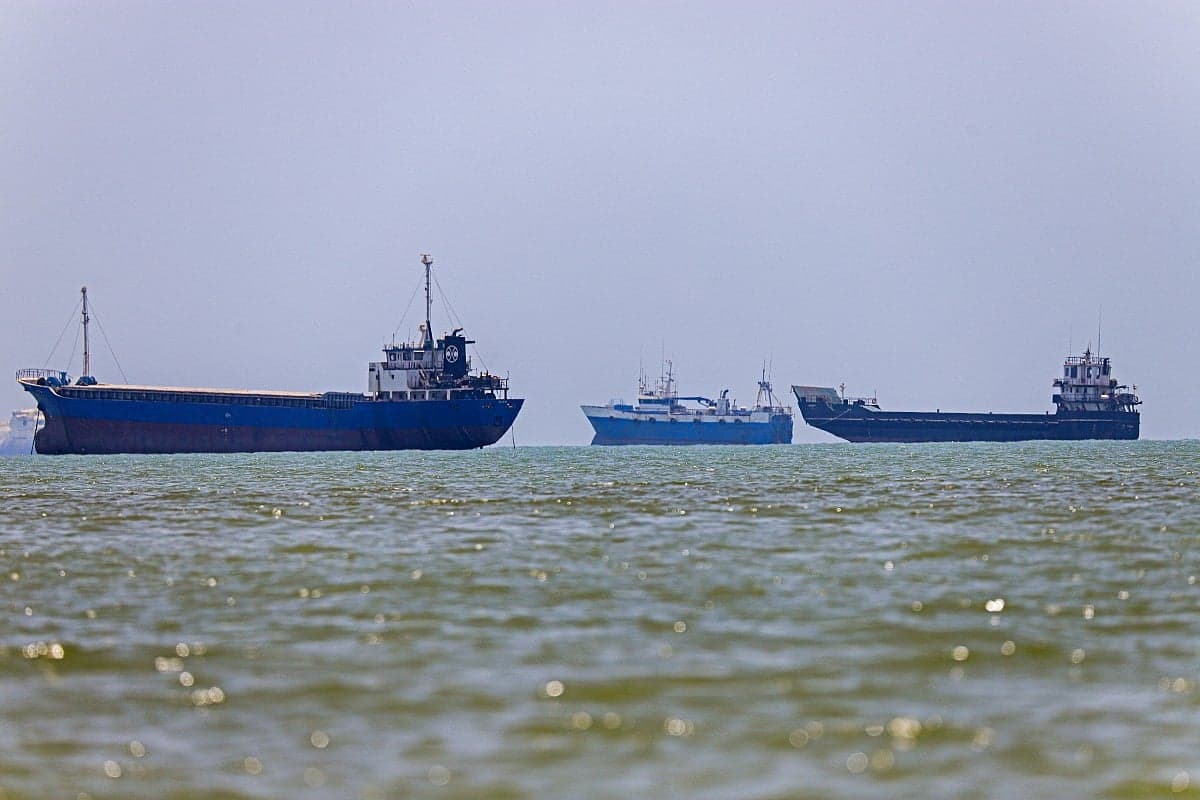
Here's what it means for you.
Iran's decision to implement charges for vessels crossing the Strait of Hormuz could significantly alter shipping costs in a critical maritime route. This move raises concerns among shipping executives about the potential for increased operational expenses, which may ripple through global markets. The implications of these charges extend beyond immediate financial impacts, potentially heightening geopolitical tensions in the region. As the international shipping community prepares for these changes, stakeholders will need to assess how this policy shift may affect trade dynamics and maritime security. The situation warrants close monitoring as reactions from shipping companies and diplomatic responses from other nations unfold.
What happened
Iran has announced plans to charge a "payment for services" for ships crossing the Strait of Hormuz after an initial fee-free period of 60 days. This decision follows a recent accord with the United States, which may have facilitated the introduction of such charges. The announcement was made on June 18, 2026, prompting immediate concerns from shipping executives regarding the potential for increased fees.
The Strait of Hormuz is a vital maritime route for global oil shipments, with a significant percentage of the world's oil passing through it. The introduction of these charges could lead to increased shipping costs, affecting not only shipping companies but also the broader global economy.
The Context
The Strait of Hormuz is a critical chokepoint for oil transportation, making Iran's decision particularly impactful for international trade. Shipping executives are apprehensive about the implications of these charges, which could mirror fees seen in other strategic waterways, such as the Strait of Malacca. The timing of this announcement, following a US-Iran accord, suggests a shift in Iran's maritime policy that could have far-reaching consequences.
As the international shipping community grapples with this new reality, the potential for increased costs may lead to a reevaluation of shipping routes and strategies. Stakeholders must consider how these changes will influence their operations and the overall stability of maritime trade in the region.
Takeaway
The introduction of fees for passage through the Strait of Hormuz could significantly impact global shipping dynamics. As Iran prepares to implement these charges, international shipping companies will be closely monitoring the situation for potential reactions and adjustments. Diplomatic responses from other nations may also play a crucial role in shaping the future of maritime policy in the region.
In the coming weeks, it will be essential to observe how shipping executives adapt to these changes and whether they seek alternative routes or negotiate terms with Iranian authorities. The broader implications for global trade and maritime security will become clearer as the situation evolves.
Editor-curated FT homepage stories spanning markets, business, world, and opinion.
"The Financial Times is a globally respected business publication with a centrist/center-left tone and strong markets focus."
— A47 Editor
US-Iran accord opens way for Hormuz charges, industry warns
The recent US-Iran accord has raised concerns among shipping executives, who fear that the agreement may allow Iran to impose fees on vessels transiting the Strait of Hormuz after a 60-day period. This development follows extensive negotiations aimed...
UAE-based newspaper covering Gulf politics, society, and international developments.
"Gulf News is one of the UAE’s most prominent English-language publications."
— A47 Editor
Iran to charge ships crossing Strait of Hormuz after fee-free period
Iran has announced that it will begin charging a 'payment for services' for vessels transiting the strategically significant Strait of Hormuz, following a fee-free period. This decision comes after a recent peace deal with the United States aimed at ...
A curated Gulf News feed featuring major stories across news, business, opinion, and lifestyle.
"Gulf News is a major UAE newspaper whose featured stories feed reflects a broad editorial mix shaped for a Gulf audience."
— A47 Editor
Iran to charge ships crossing Strait of Hormuz after fee-free period
Iran has announced that it will begin charging a 'payment for services' for vessels transiting the strategically significant Strait of Hormuz, following a fee-free period. This decision comes after a recent peace deal with the United States aimed at ...
Global news coverage with extensive reporting on Middle Eastern conflicts and geopolitics.
"Al Jazeera is a Qatar-based broadcaster known for wide regional coverage and alternative perspectives."
— A47 Editor
Iran says it will charge a ‘payment for services’ in the Strait of Hormuz
Iran has announced that it will implement a 'payment for services' for vessels transiting the strategically significant Strait of Hormuz, a crucial maritime route for global oil shipments. This decision follows a recent peace deal with the United Sta...
Comprehensive coverage of Middle Eastern and global issues.
"Al Jazeera is a prominent voice from the Global South, especially the Middle East, with an emphasis on underreported stories."
— A47 Editor
Iran says it will charge a ‘payment for services’ in the Strait of Hormuz
Iran has announced that it will implement a 'payment for services' for vessels transiting the strategically significant Strait of Hormuz, a crucial maritime route for global oil shipments. This decision follows a recent peace deal with the United Sta...