
FIFA to Auction U.S. Broadcasting Rights for 2030 and 2034 World Cups
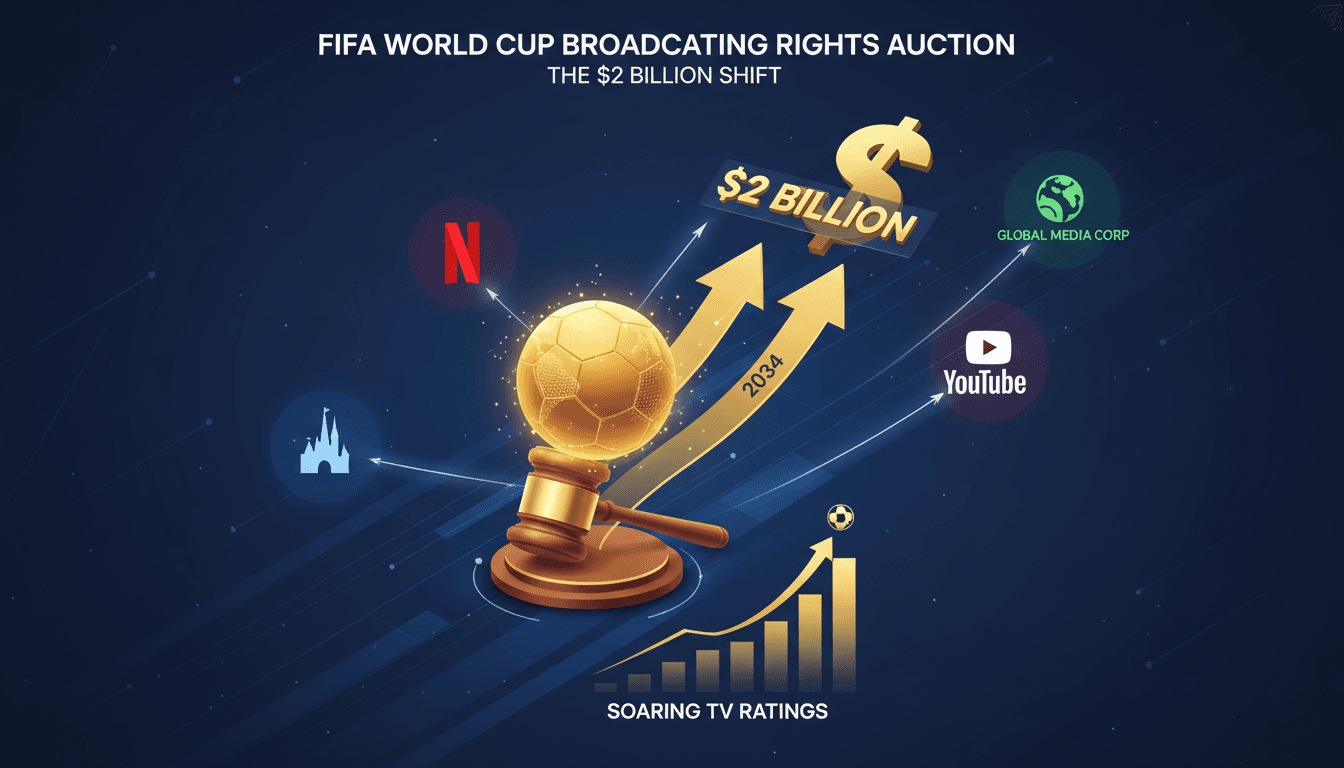
Here's what it means for you.
The auction of U.S. broadcasting rights for the 2030 and 2034 FIFA World Cups signals a transformative moment in sports media. With major players like Netflix, Disney, and YouTube entering the bidding, the landscape of sports broadcasting is poised for significant change. This competition could redefine how sports media rights are valued, potentially leading to record-breaking deals. As Fox steps aside after a decade, the implications extend beyond just broadcasting; they touch on viewer engagement and the evolving nature of sports consumption in the digital age. The outcome of this bidding war will likely influence future negotiations for sports rights across various platforms.
What happened
FIFA has announced its plans to auction the U.S. broadcasting rights for the upcoming 2030 and 2034 World Cups. This decision comes as Fox, which has held the rights for the past decade, steps aside, paving the way for new contenders. Major media companies, including Netflix, Disney, and YouTube, are preparing to enter a competitive bidding process.
The soaring TV ratings of the FIFA World Cup have attracted significant interest, making these rights highly coveted. Estimates suggest that the potential value of the broadcasting rights deal could reach around $2 billion, highlighting the financial stakes involved in this auction.
The Context
The shift away from Fox marks a significant change in FIFA's broadcasting strategy, reflecting the growing value of sports media rights. The success of the 2026 World Cup has set high expectations for future tournaments, further intensifying the competition among media giants. As the FIFA World Cup consistently garners high TV ratings, it remains a lucrative property for broadcasters.
This upcoming bidding war is expected to reshape the sports media landscape, with major players vying for dominance. The involvement of streaming services like Netflix and YouTube indicates a broader trend towards digital consumption of sports content, which could redefine audience engagement.
Takeaway
As the bidding process unfolds, it will be crucial to monitor how companies submit their offers and the final decisions regarding broadcasting rights. The outcome will not only impact the future of World Cup broadcasting but also set a precedent for how sports media rights are valued and negotiated in the digital age.
The competition for these rights is likely to influence future negotiations across various sports, as the stakes continue to rise in an increasingly digital marketplace. Observers should keep an eye on the evolving dynamics of sports broadcasting as this bidding war progresses.
Business, investment, entrepreneurship, leadership, and innovation.
"Forbes is known for its coverage of business leaders, market trends, and entrepreneurial ventures with a pro-business editorial stance."
— A47 Editor
Huge World Cup Ratings Set Up Streaming Bidding War For 2030, 2034
The FIFA World Cup has generated impressive television ratings, prompting media and tech companies to prepare for a competitive bidding process for the broadcasting rights to the 2030 and 2034 tournaments. This interest follows the successful ratings...
Breaking news, scores, player stats, and analysis across all major sports.
"Yahoo Sports is a comprehensive digital sports destination known for stats, fantasy sports, and real-time updates."
— A47 Editor
FIFA planning change to World Cup broadcasting rights as Disney and Netflix set for $2b bidding war
FIFA is planning to change its broadcasting rights for the World Cup, moving away from Fox, which has held the rights for the past decade in the United States. Major media companies, including Disney and Netflix, are reportedly preparing for a biddin...
Covers sports media, commentary, and broadcasting trends.
"Awful Announcing critiques sports media and highlights trends in sports broadcasting."
— A47 Editor
Netflix, Disney, YouTube ‘all interested’ in 2030, 2034 World Cup rights, per report
Major media companies, including Netflix, Disney, and YouTube, are reportedly interested in acquiring U.S. broadcast rights for the 2030 and 2034 FIFA World Cups, as they seek to challenge Fox's current dominance in sports broadcasting. This developm...