
Trump Criticizes Israel's Military Strategy and Advocates for Syrian Leadership Against Hezbollah
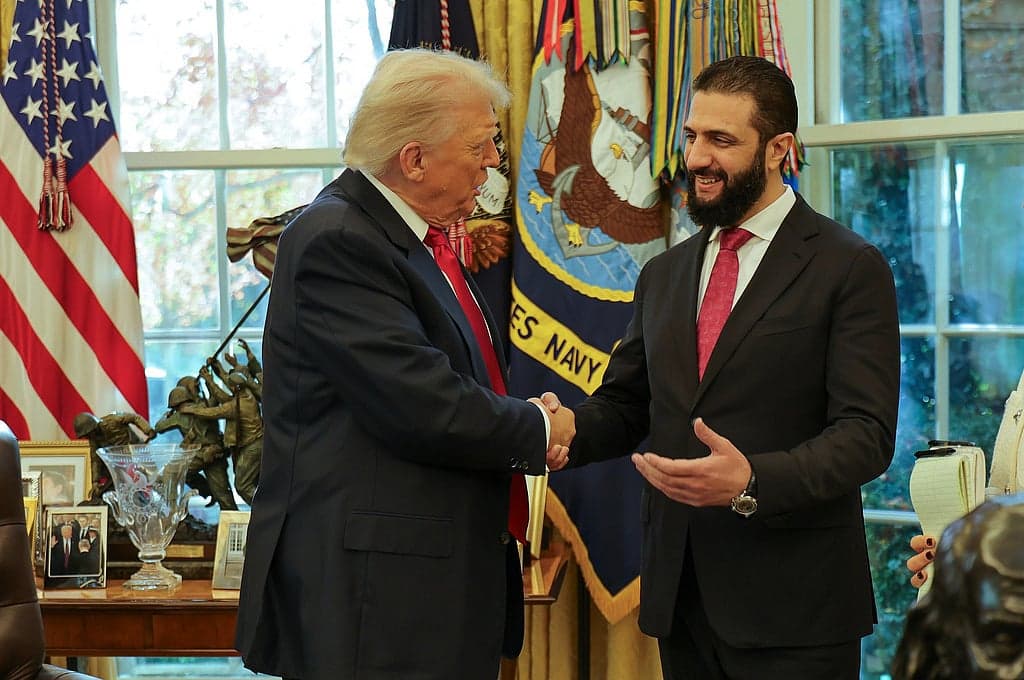
Here's what it means for you.
Your investment strategies in the Middle East may need to adapt as geopolitical dynamics shift.
Why it matters
The U.S. stance on Middle Eastern conflicts can significantly influence regional stability and market confidence.
What happened (in 30 seconds)
- Trump criticized Israel's military campaign against Hezbollah during the G7 summit, calling for a reassessment of tactics.
- He urged Syria, under President Ahmad al-Sharaa, to take a more active role in combating Hezbollah.
- Reactions varied internationally, with some viewing Trump's comments as pragmatic while others saw them as undermining Israel's security.
The context you actually need
- The conflict between Israel and Hezbollah has persisted for decades, fueled by Iranian support for Hezbollah.
- Trump's comments reflect a potential shift in U.S. foreign policy, indicating a willingness to reconsider alliances in the region.
- The ongoing negotiations with Iran complicate the situation, as the U.S. seeks a peace deal while managing its relationships with Israel and Syria.
What's really happening
During the G7 summit in Evian-les-Bains, France, President Donald Trump publicly expressed his dissatisfaction with Israel's military actions against Hezbollah, emphasizing the high civilian casualties and the prolonged nature of the conflict. His remarks suggest a significant shift in U.S. foreign policy, as he proposed that Syria, led by President Ahmad al-Sharaa, could more effectively manage the situation with Hezbollah. This perspective indicates a willingness to reconsider traditional alliances in the region, particularly as the political landscape in Syria evolves.
The conflict between Israel and Hezbollah has drawn international scrutiny, especially as the U.S. engages in delicate negotiations with Iran. Trump's criticism of Israel's military strategy raises questions about the effectiveness of current tactics and their alignment with U.S. interests in achieving peace. By advocating for Syrian leadership in the fight against Hezbollah, Trump is signaling a potential pivot away from unwavering support for Israel, which could have far-reaching implications for U.S. foreign policy and regional dynamics.
Israeli officials, including Prime Minister Benjamin Netanyahu, responded by reaffirming their commitment to national security and the necessity of military actions against Hezbollah. They view Trump's suggestion to allow Syria to take the lead as a potential threat to their security, highlighting the complexities of Middle Eastern geopolitics. The mixed reactions to Trump's comments underscore the challenges of navigating alliances and the delicate balance of power in the region.
As the U.S. continues to negotiate with Iran, the implications of Trump's remarks could influence investor confidence in the UAE and other Gulf states, particularly in sectors related to defense and security. The evolving dynamics may also impact diplomatic relations with both Israel and Iran, as stakeholders reassess their strategies in light of the changing political landscape.
Who feels it first (and how)
- Investors in defense and security sectors: Changes in U.S. policy may affect market confidence and investment strategies.
- Diplomatic entities: Countries involved in Middle Eastern negotiations will need to adapt to shifting alliances and strategies.
- Local populations in Israel and Lebanon: Civilian casualties and ongoing conflict will directly impact their safety and stability.
What to watch next
- U.S.-Iran negotiations: Progress or setbacks in these talks will influence regional stability and U.S. foreign policy.
- Israeli military strategy: Changes in Israel's approach to Hezbollah could signal a broader shift in regional military dynamics.
- Syria's political landscape: Developments under President Ahmad al-Sharaa will impact the effectiveness of Syrian leadership in regional conflicts.
The conflict between Israel and Hezbollah has resulted in thousands of civilian casualties.
Trump's comments will lead to increased scrutiny of U.S. foreign policy in the Middle East.
The long-term effects of shifting alliances on regional stability remain uncertain.
Frequently Asked Questions
- Why it matters?
- The U.S. stance on Middle Eastern conflicts can significantly influence regional stability and market confidence.
- What happened (in 30 seconds)?
- Trump criticized Israel's military campaign against Hezbollah during the G7 summit, calling for a reassessment of tactics. He urged Syria, under President Ahmad al-Sharaa, to take a more active role in combating Hezbollah. Reactions varied internationally, with some viewing Trump's comments as pragmatic while others saw them as undermining Israel's security.
- What's really happening?
- During the G7 summit in Evian-les-Bains, France, President Donald Trump publicly expressed his dissatisfaction with Israel's military actions against Hezbollah, emphasizing the high civilian casualties and the prolonged nature of the conflict. His remarks suggest a significant shift in U.S. foreign policy, as he proposed that Syria, led by President Ahmad al-Sharaa, could more effectively manage the situation with Hezbollah. This perspective indicates a willingness to reconsider traditional alli
- Who feels it first (and how)?
- Investors in defense and security sectors: Changes in U.S. policy may affect market confidence and investment strategies. Diplomatic entities: Countries involved in Middle Eastern negotiations will need to adapt to shifting alliances and strategies. Local populations in Israel and Lebanon: Civilian casualties and ongoing conflict will directly impact their safety and stability.
- What to watch next?
- U.S.-Iran negotiations: Progress or setbacks in these talks will influence regional stability and U.S. foreign policy. Israeli military strategy: Changes in Israel's approach to Hezbollah could signal a broader shift in regional military dynamics. Syria's political landscape: Developments under President Ahmad al-Sharaa will impact the effectiveness of Syrian leadership in regional conflicts.
Regional and international reporting focused on Middle Eastern politics, diplomacy, and economics.
"Asharq Al-Awsat is a Saudi-owned international newspaper reflecting mainstream Gulf political perspectives."
— A47 Editor
Trump Criticizes Israel’s Tactics in Lebanon, Says It Is Killing Civilians
U.S. President Donald Trump has criticized Israel's military tactics in Lebanon, particularly following recent airstrikes that resulted in civilian casualties. Trump condemned these actions, stating they are unjustified and calling for a more measure...
A curated Gulf News feed featuring major stories across news, business, opinion, and lifestyle.
"Gulf News is a major UAE newspaper whose featured stories feed reflects a broad editorial mix shaped for a Gulf audience."
— A47 Editor
Trump rebukes Israel over Hezbollah war, urges Syria to ‘take the lead’ in fighting Iran-backed terror group
U.S. President Donald Trump has publicly rebuked Israel for its military actions against Hezbollah, urging Syria to take a more active role in combating the Iran-backed group. This criticism comes amid escalating tensions in the region, particularly ...
UAE-based newspaper covering Gulf politics, society, and international developments.
"Gulf News is one of the UAE’s most prominent English-language publications."
— A47 Editor
Trump rebukes Israel over Hezbollah war, urges Syria to ‘take the lead’ in fighting Iran-backed terror group
Former U.S. President Donald Trump has publicly rebuked Israel for its military actions against Hezbollah, urging Syria to take a more proactive role in combating the Iran-backed group. This statement comes amid escalating tensions in the region, par...
Regional coverage and analysis focused on politics, diplomacy, and business across the Middle East.
"Al-Monitor is known for analytical reporting on Middle East politics and policy developments."
— A47 Editor
Trump criticizes Israel's tactics in Lebanon, says it is killing civilians
<p>By Humeyra Pamuk</p><p>WASHINGTON, June 16 (Reuters) - U.S. President Donald Trump on Tuesday issued a rare public rebuke of Israel's military tactics in Lebanon targeting Hezbollah militants, saying it was unnecessary to bomb entire apartment bui...
UAE-based English-language newspaper covering regional politics, economics, and global affairs.
"The National reflects Emirati policy perspectives while maintaining international editorial standards."
— A47 Editor
Trump says Israel's Lebanon war taking 'too long' and Syria could do 'better job'
U.S. President Donald Trump has criticized the ongoing military operations by Israel in Lebanon, stating that the conflict is taking 'too long' and suggesting that Syria could handle the situation with Hezbollah more effectively. This criticism comes...
English-language reporting on Saudi politics, policy, and society.
"Saudi Gazette reflects mainstream Saudi institutional perspectives."
— A47 Editor
Trump says Netanyahu should be more responsible with Lebanon
DUBAI — US President Donald Trump said on Tuesday Israeli Prime Minister Netanyahu “has to be more responsible” in Lebanon, adding that he was not happy with Israel’s invasion of the country and handling of Hezbollah.Trump, speaking at the G7 sum...
Regional and international reporting focused on Middle Eastern politics, diplomacy, and economics.
"Asharq Al-Awsat is a Saudi-owned international newspaper reflecting mainstream Gulf political perspectives."
— A47 Editor
Trump Says Syria ‘Will Do the Job’ with Hezbollah if Israel Unable
U.S. President Donald Trump stated that Syria would take action against Hezbollah if Israel is unable to do so, highlighting the ongoing tensions in the region. This remark comes amid discussions about a potential peace deal with Iran and Israel's re...
Breaking news, politics, business, and entertainment from the U.S. and around the world.
"The New York Post is a tabloid-format newspaper known for its sensationalist headlines and conservative-leaning editorial tone."
— A47 Editor
Trump admits he’s ‘not happy’ with Israel over Lebanon strikes, suggests Syria ‘take care of Hezbollah’
President Trump has acknowledged he was displeased with Israel over its weekend strikes on Lebanon, which came as he was finalizing a peace deal with Iran.
International news coverage curated for readers in the UAE and Gulf region.
"Emirates 24|7 world coverage presents global developments through a UAE-facing and Gulf-relevant editorial lens."
— A47 Editor
Trump says Netanyahu should be more responsible with Lebanon Trump says Netanyahu should be more responsible with Lebanon
<p>EVIAN-LES-BAINS, France: U.S. President Donald Trump said on Tuesday that he has a great relationship with Israeli Prime Minister Benjamin Netanyahu, but that he must be more responsible with respect to Lebanon.<br></p><p>Trump, speaking ...