
Iran introduces new shipping fees for vessels in the Strait of Hormuz with concessions for China
Here's what it means for you.
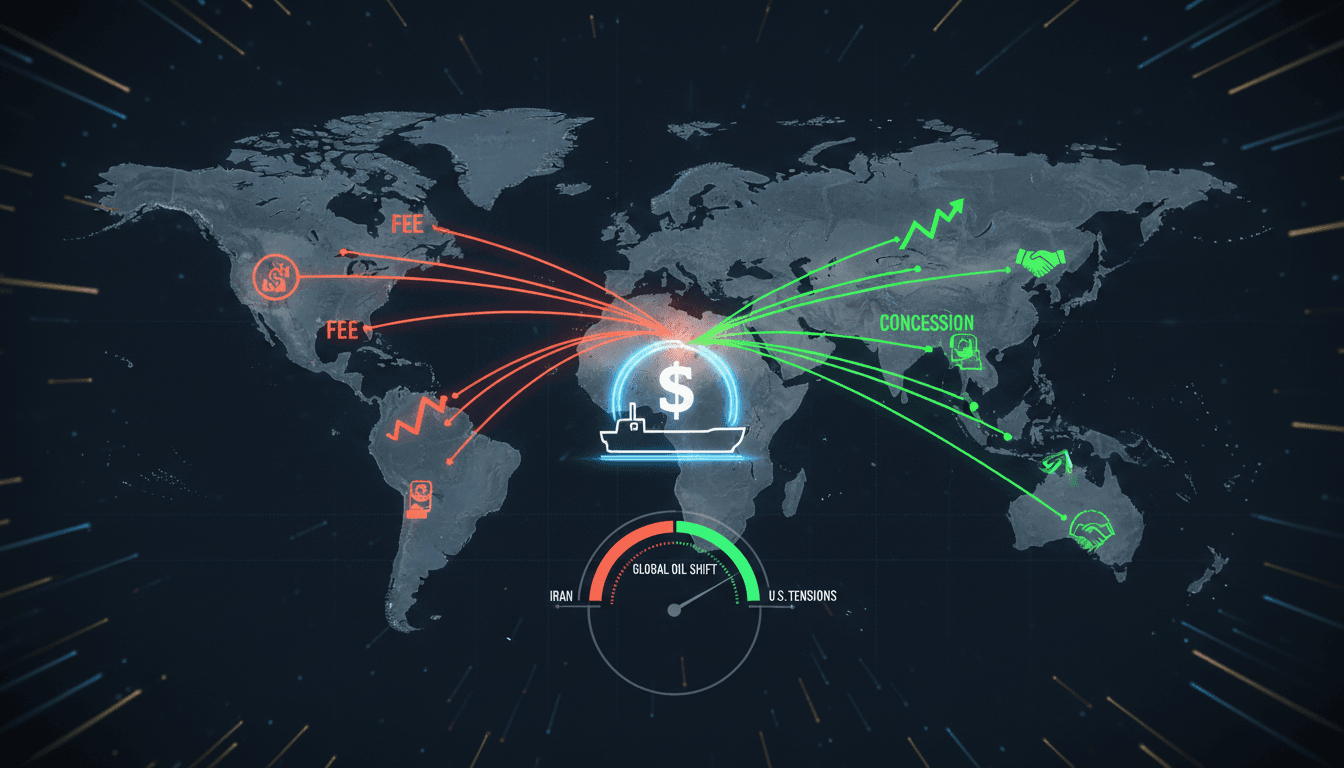
Iran's introduction of new shipping fees in the Strait of Hormuz signals a strategic pivot in its maritime policy, particularly favoring China, its largest oil customer. This move could reshape global oil shipping dynamics, especially as the U.S. continues to express concerns over Iran's maritime practices. Stakeholders in the oil market should prepare for potential shifts in shipping routes and supply chains as these fees take effect. The implications extend beyond economics, potentially complicating U.S.-Iran relations further. As Iran asserts its control over this critical shipping route, the geopolitical landscape in the Gulf may experience significant changes.
What happened
Iran has announced new fees for vessels transiting the Strait of Hormuz, with special concessions for China and other friendly nations. This decision was communicated by Iran's envoy to China, who emphasized the importance of these considerations amid ongoing tensions with the United States. The new fee structure will apply to all vessels, but friendly nations will benefit from reduced charges.
This announcement comes at a time when the U.S. has been vocal in its objections to Iran's maritime policies. The U.S. aims to maintain freedom of navigation in the region, which is crucial for global oil supplies. Approximately 90% of Iran's oil exports are purchased by China, underscoring the economic dependency and strategic partnership between the two nations.
The Context
The Strait of Hormuz is a vital shipping route, with significant implications for global oil markets. Iran's relationship with China is particularly important, as China is a major buyer of Iranian oil, making this concession strategically beneficial for both countries. The U.S. has consistently criticized Iran's maritime policies, which adds a layer of complexity to the situation.
As tensions between Iran and the U.S. escalate, Iran's new fee structure could further complicate maritime relations in the region. The timing of this announcement is critical, as it coincides with heightened scrutiny of Iran's actions by the international community. This development may lead to a reevaluation of shipping routes and oil supply chains.
Takeaway
Looking ahead, it will be essential to monitor U.S. responses to Iran's maritime policies and the potential ramifications for global oil markets. The introduction of these new fees could lead to shifts in shipping routes, particularly as countries reassess their relationships with Iran. Observers should also watch for any changes in the flow of oil through the Strait of Hormuz, as these fees may influence shipping decisions.
As Iran continues to assert its control over this strategic waterway, the geopolitical landscape in the Gulf region may shift significantly. The interplay between Iran's maritime policies and U.S. interests will be crucial in determining future developments.
Global news coverage with extensive reporting on Middle Eastern conflicts and geopolitics.
"Al Jazeera is a Qatar-based broadcaster known for wide regional coverage and alternative perspectives."
— A47 Editor
Iran’s China envoy vows ‘special’ Hormuz treatment for ‘friendly’ countries
Iran's ambassador to China has announced plans to impose new fees on vessels transiting the Strait of Hormuz, emphasizing preferential treatment for 'friendly' nations despite objections from the United States. This move marks a significant shift in ...
Comprehensive coverage of Middle Eastern and global issues.
"Al Jazeera is a prominent voice from the Global South, especially the Middle East, with an emphasis on underreported stories."
— A47 Editor
Iran’s China envoy vows ‘special’ Hormuz treatment for ‘friendly’ countries
Iran's ambassador to China has announced plans to impose new fees on vessels transiting the Strait of Hormuz, emphasizing preferential treatment for 'friendly' nations despite objections from the United States. This move marks a significant shift in ...
Pan-Arab news coverage spanning politics, business, sports, and regional affairs.
"Asharq Al-Awsat reflects a broad Arab editorial perspective with strong attention to regional geopolitics."
— A47 Editor
سفير إيران لدى الصين: بكين ستحصل على «تسهيلات» في مضيق هرمز
Iran's Ambassador to China, Abdolreza Rahmani Fazli, announced that China and other friendly nations will receive 'special considerations' when Tehran determines the level and nature of service fees imposed in the Strait of Hormuz.
Corporate leadership, finance, technology, and market trends.
"Fortune covers financial trends, leadership, and innovation with a pragmatic editorial approach."
— A47 Editor
Iran’s envoy to China says Beijing to get Hormuz concessions
Iran's envoy to China announced that Beijing will receive concessions regarding the Strait of Hormuz, a critical maritime route for oil shipments. This statement comes as China, which imports nearly all of Iran's oil exports, emphasizes the importanc...