
Trump Reimposes Naval Blockade on Iran Amid Escalating Tensions
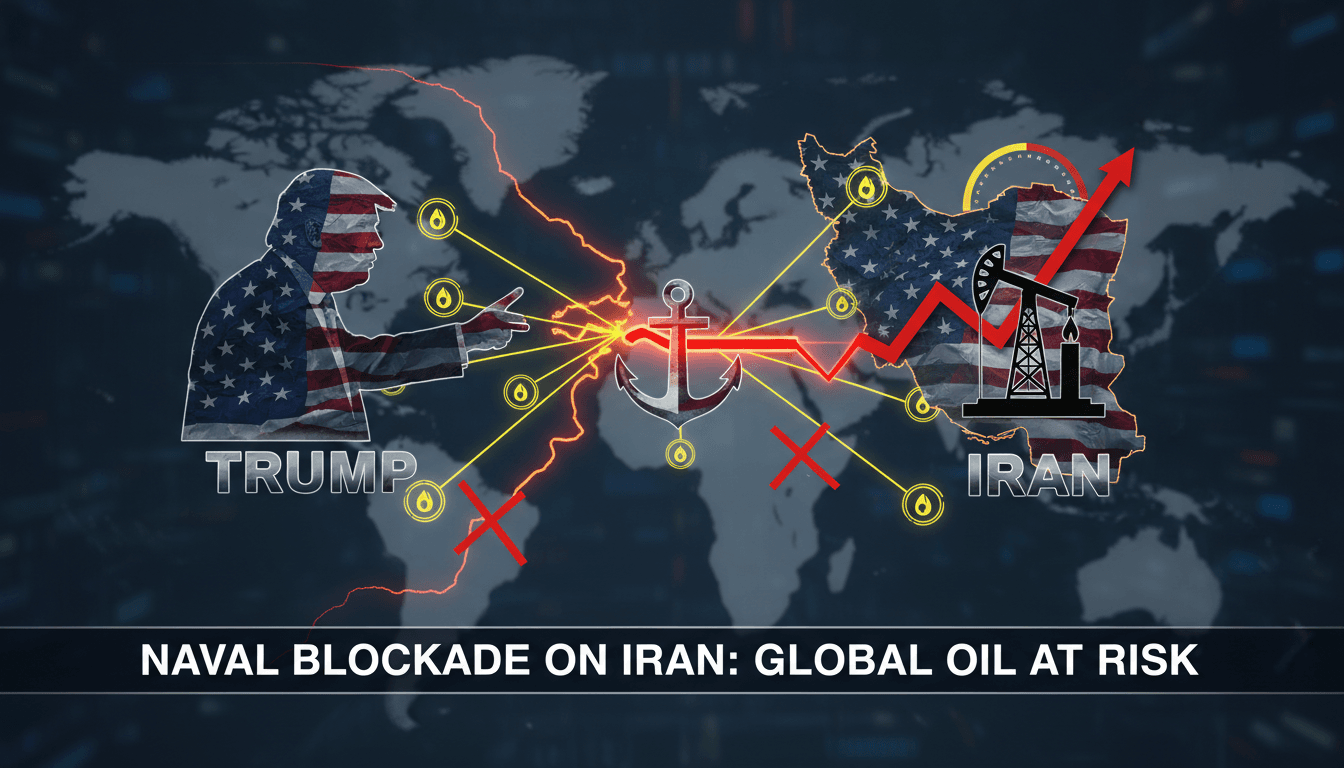
Here's what it means for you.
The reimposition of a naval blockade by President Trump signals a significant shift in U.S. policy towards Iran, with potential ramifications for global oil markets. The demand for a 20% tariff on cargoes passing through the strategically vital Strait of Hormuz could disrupt international shipping and elevate costs. Stakeholders in the energy sector should prepare for increased volatility as military tensions rise and diplomatic negotiations may unfold. As the U.S. asserts control over maritime routes, the implications for regional stability are profound. Companies reliant on oil shipments from the Gulf region may face challenges in logistics and pricing, impacting broader economic conditions.
What happened
President Donald Trump has announced the reimposition of a naval blockade on Iran, asserting control over the Strait of Hormuz. This decision comes amid escalating military exchanges between the two nations, including heavy drone and missile activity. Trump has declared the Strait open but is demanding a 20% tariff on all cargoes passing through it, raising concerns about maritime security.
The blockade follows a series of incidents, including Iran's reported attacks on commercial vessels, prompting U.S. military responses. The situation has escalated significantly since an interim deal aimed at reducing conflict was reached, indicating a hardening of U.S. policy towards Iran.
The Context
The Strait of Hormuz is a critical maritime passage for global oil shipments, making it a focal point in U.S.-Iran relations. Recent military exchanges have intensified, with both sides engaging in aggressive posturing that threatens regional stability. Pakistan has called for de-escalation and adherence to previous agreements, highlighting the international concern surrounding the situation.
As tensions rise, the U.S. has positioned itself as the "Guardian of the Strait of Hormuz," emphasizing its commitment to maintaining freedom of navigation. The ongoing conflict raises questions about the future of diplomatic negotiations and the potential for further military actions.
Takeaway
The situation in the Strait of Hormuz is likely to remain tense as both the U.S. and Iran continue to assert their positions. Potential diplomatic negotiations in Muscat could address the Strait's status, but the likelihood of further military actions or retaliations remains high. The international community will be closely monitoring developments, as they could have significant implications for global oil markets and regional stability.
As the U.S. implements its blockade and tariff demands, stakeholders should prepare for a volatile environment that could affect shipping routes and energy prices.
International coverage from The Guardian's global desks.
"The Guardian is known for its progressive editorial stance and in-depth analysis."
— A47 Editor
Trump renews Iran blockade and again threatens to take control of strait of Hormuz
President Donald Trump has announced the reimposition of a naval blockade on Iran and threatened to take control of the Strait of Hormuz, declaring it open while demanding a 20% tariff on all cargoes passing through this critical maritime route. This...
Arabic-language political and world news coverage for UAE readers.
"Emarat Al Youm world coverage usually presents international developments through a UAE and Arab audience lens."
— A47 Editor
ترامب يعلن إعادة فرض الحصار البحري على إيران ترامب يعلن إعادة فرض الحصار البحري على إيران
On Monday, U.S. President Donald Trump announced the decision to reinstate a maritime blockade on Iran, indicating a renewed effort to impose tariffs on the country. This move reflects ongoing tensions between the United States and Iran, particularly...
Arabic-language political and world news coverage for UAE readers.
"Emarat Al Youm world coverage usually presents international developments through a UAE and Arab audience lens."
— A47 Editor
ترامب: واشنطن "في طور السيطرة" على مضيق هرمز ترامب: واشنطن "في طور السيطرة" على مضيق هرمز
On Monday, U.S. President Donald Trump stated that the United States is "in the process of controlling" the Strait of Hormuz amid rising tensions in the region. This statement highlights the ongoing geopolitical significance of the strait, a critical...
Global markets, investing, and macroeconomics from a premier financial newsroom.
"Bloomberg is respected for in-depth financial reporting and data-driven analysis."
— A47 Editor
Trump Says US Would 'Keep the Strait' And Run It
Tensions between the United States and Iran have escalated, with President Donald Trump asserting that the U.S. will 'keep the Strait' of Hormuz and 'probably run it.' This statement comes amid conflicting claims from both nations regarding the statu...
Arabic-language coverage of political affairs and current events.
"Okaz political coverage typically follows mainstream Saudi framing on national and regional affairs."
— A47 Editor
واشنطن تلوح بمحاسبة إيران.. ترمب: مضيق هرمز مفتوح
U.S. President Donald Trump stated that the Strait of Hormuz remains open for commercial navigation, following claims by Iran of its closure. Trump emphasized that the U.S. had struck Iran hard after an attack on a Cypriot-flagged vessel, which was t...
Arabic-language coverage of political affairs and current events.
"Okaz political coverage typically follows mainstream Saudi framing on national and regional affairs."
— A47 Editor
محادثات في مسقط تناقش إعلان فتح «هرمز»
U.S. officials revealed that President Donald Trump has given American negotiators a limited timeframe to reach an agreement with Iran regarding the Strait of Hormuz, amidst warnings that Iran's refusal to publicly commit to reopening the strait coul...