
Increased Tanker Movements Through Strait of Hormuz Indicate Recovery in Oil Shipping Activity
Here's what it means for you.
The recent increase in tanker movements through the Strait of Hormuz signals a potential recovery in oil shipping activity, which could have significant implications for global oil prices and trade dynamics. As this vital corridor typically handles about 20% of the world's oil supply, any resurgence in shipping operations may influence market stability and stakeholder strategies. This uptick comes amid ongoing geopolitical tensions that have historically affected maritime trade in the region, making it essential for industry players to monitor these developments closely.
What happened
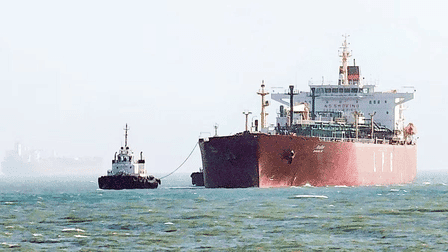
Recently, two LNG tankers and a crude oil vessel successfully passed through the Strait of Hormuz. This movement is noteworthy as the strait is a critical shipping lane for global oil trade, handling a significant portion of the world's oil supply. The passage of these vessels indicates a potential recovery in shipping activity within this vital corridor.
The Strait of Hormuz is known for its strategic importance, typically facilitating about 20% of global oil trade. The recent activity is seen as a positive sign for the maritime trade sector, which has faced challenges due to geopolitical tensions in the region.
The Context
The Strait of Hormuz serves as a crucial artery for oil transportation, making it a focal point for global energy markets. Recent geopolitical tensions have raised concerns about the safety and reliability of shipping routes in this area, impacting trade dynamics. The passage of LNG and crude oil tankers suggests that stakeholders are beginning to regain confidence in maritime operations.
As shipping activity increases, it is essential to consider the broader implications for oil supply and pricing. The corridor's role in global oil trade cannot be overstated, as it is responsible for a significant share of the world's oil supply.
Takeaway
The increased tanker activity through the Strait of Hormuz may indicate a rebound in shipping operations, which could have lasting effects on global oil prices and trade dynamics. Stakeholders will be keen to observe further tanker movements to identify trends in oil supply and demand.
Additionally, monitoring geopolitical developments will be crucial, as any changes in the regional landscape could impact shipping operations in the strait. The current uptick in activity presents an opportunity for industry players to reassess their strategies in light of evolving market conditions.
Global business headlines with AI angles.
"General business outlet that frequently covers AI."
— A47 Editor
Oil, LNG Tankers Exit Strait of Hormuz As Shipping Shows Signs Of Recovery
Recent tanker movements through the Strait of Hormuz indicate a recovery in shipping activity within a corridor that is crucial for global oil trade, typically handling about 20% of the world's oil supply. This development comes after a prolonged per...
Editor-curated FT homepage stories spanning markets, business, world, and opinion.
"The Financial Times is a globally respected business publication with a centrist/center-left tone and strong markets focus."
— A47 Editor
Two LNG tankers pass through Strait of Hormuz
Two LNG tankers successfully passed through the Strait of Hormuz, a crucial maritime route for energy shipments, on Saturday, marking a significant event amidst ongoing geopolitical tensions in the region. This follows Qatar's recent dispatch of its ...
UAE-based newspaper covering Gulf politics, society, and international developments.
"Gulf News is one of the UAE’s most prominent English-language publications."
— A47 Editor
Is Strait of Hormuz now open? More oil, LNG tankers cross Gulf chokepoint
Recent reports indicate that the Strait of Hormuz has seen increased traffic, with more oil and LNG tankers crossing this vital maritime chokepoint, suggesting a potential easing of previous restrictions. This development follows a period of signific...
A curated Gulf News feed featuring major stories across news, business, opinion, and lifestyle.
"Gulf News is a major UAE newspaper whose featured stories feed reflects a broad editorial mix shaped for a Gulf audience."
— A47 Editor
Is Strait of Hormuz now open? More oil, LNG tankers cross Gulf chokepoint
Recent reports indicate that the Strait of Hormuz has seen increased traffic, with more oil and LNG tankers crossing this vital maritime chokepoint, suggesting a potential easing of previous restrictions. This development follows a period of signific...