
Ongoing U.S.-Iran Technical Talks Amid Military Tensions
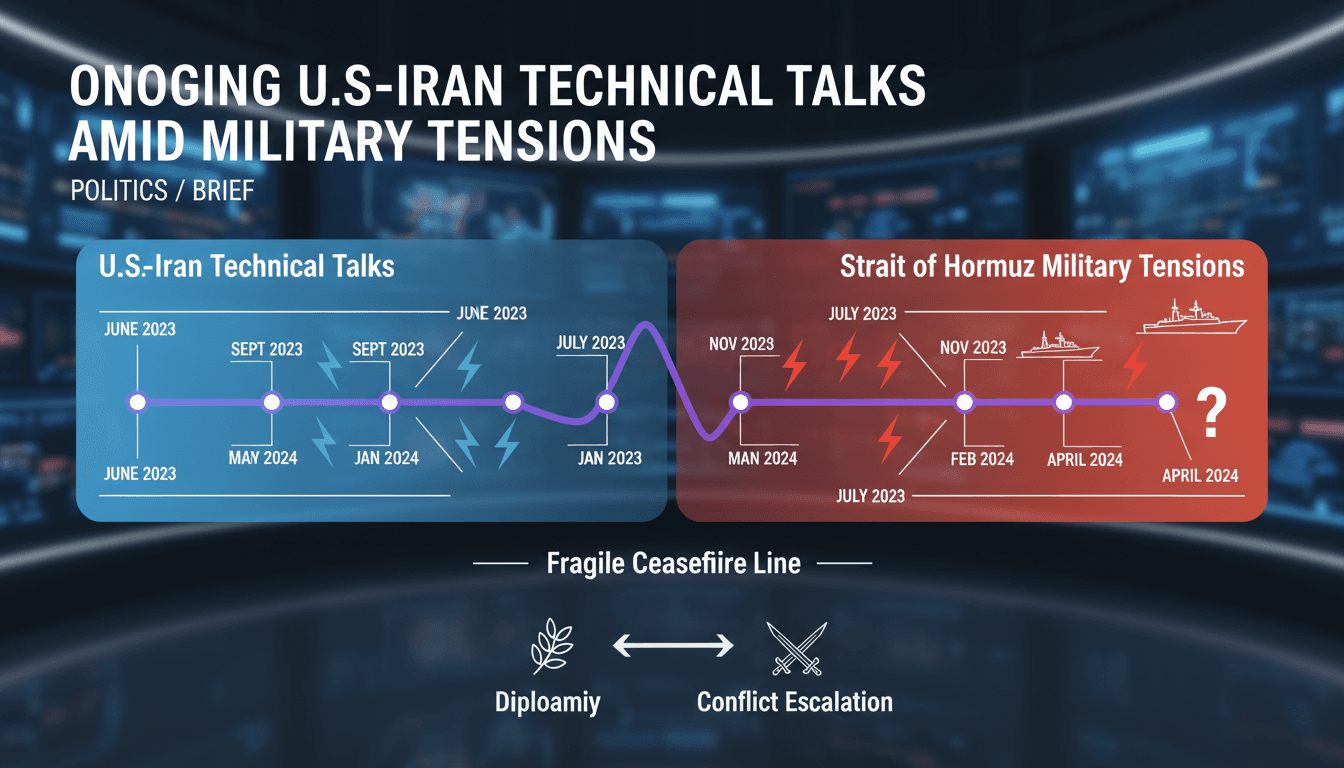
Here's what it means for you.
The ongoing technical negotiations between the U.S. and Iran signal a potential pathway to de-escalation in a region fraught with military tensions. For policymakers and analysts, these discussions highlight the complexities of international diplomacy amid conflict. The outcome of these talks could influence market stability and security dynamics in the Gulf region. As both nations grapple with unresolved issues, the continuation of dialogue may provide a glimmer of hope for a fragile ceasefire. Stakeholders should remain vigilant as developments unfold, particularly in the context of maritime security and sanctions.
What happened
The U.S. and Iran are engaged in ongoing technical negotiations despite heightened military tensions and recent strikes in the Strait of Hormuz. Analysts indicate that key issues remain unresolved, complicating the path to a lasting agreement. The situation is characterized by intermittent clashes, yet both sides continue to communicate through diplomatic channels.
Recent military actions have raised concerns about a prolonged conflict in the Gulf region. However, the U.S. has refrained from launching additional strikes for several hours, suggesting a momentary pause in hostilities. This backdrop sets the stage for the ongoing technical talks, which are viewed as a constructive step forward.
The Context
Disputes over the Strait of Hormuz and sanctions are major sticking points in the negotiations between the U.S. and Iran. The region's geopolitical landscape is complex, with both nations navigating a precarious balance of power. The timing of these talks is critical, as military tensions have escalated, prompting urgent diplomatic efforts.
The ongoing impasse reflects the challenges both sides face in reaching a consensus. Stakeholders, including regional intermediaries, are closely monitoring the situation, as the potential for further conflict looms. The outcome of these discussions could have significant implications for maritime security and international relations.
Takeaway
The continuation of technical talks suggests a willingness to engage, but significant challenges remain. Analysts will be watching for developments in the Strait of Hormuz, as any escalations could impact the fragile ceasefire. Updates on the outcomes of these negotiations will be crucial for understanding the future of U.S.-Iran relations.
As both sides grapple with unresolved issues, the outlook remains uncertain. However, the ongoing dialogue may provide a foundation for future diplomatic engagement or, conversely, further conflict escalation in the region.
Global markets, investing, and macroeconomics from a premier financial newsroom.
"Bloomberg is respected for in-depth financial reporting and data-driven analysis."
— A47 Editor
US Iran Talks Face Persistent Impasse
Ongoing negotiations between the US and Iran are facing a persistent impasse, as analysts from Bloomberg Economics highlight significant gaps on key issues, particularly concerning Iran's nuclear program, sanctions, and the strategic Strait of Hormuz...
Global business headlines with AI angles.
"General business outlet that frequently covers AI."
— A47 Editor
The U.S. And Iran Escalated Clashes This Week. Technical Talks Are Set To Continue Anyway
The United States and Iran are set to continue technical talks despite heightened tensions in the Strait of Hormuz, where recent military exchanges have escalated hostilities. An official confirmed that discussions will proceed, indicating a willingn...
English-language digital publication covering business, politics, technology, and current affairs.
"The Arabian Post mixes original and syndicated-style coverage with a broad regional and global business-news orientation."
— A47 Editor
Washington keeps Iran talks alive after strikes
The United States has confirmed that technical negotiations with Iran are ongoing despite recent military strikes that have disrupted a fragile ceasefire and heightened concerns of renewed conflict in the Gulf region. US officials reported a temporar...