
U.S. Defense Secretary Calls for Increased NATO Defense Spending at Shangri-La Summit
Here's what it means for you.
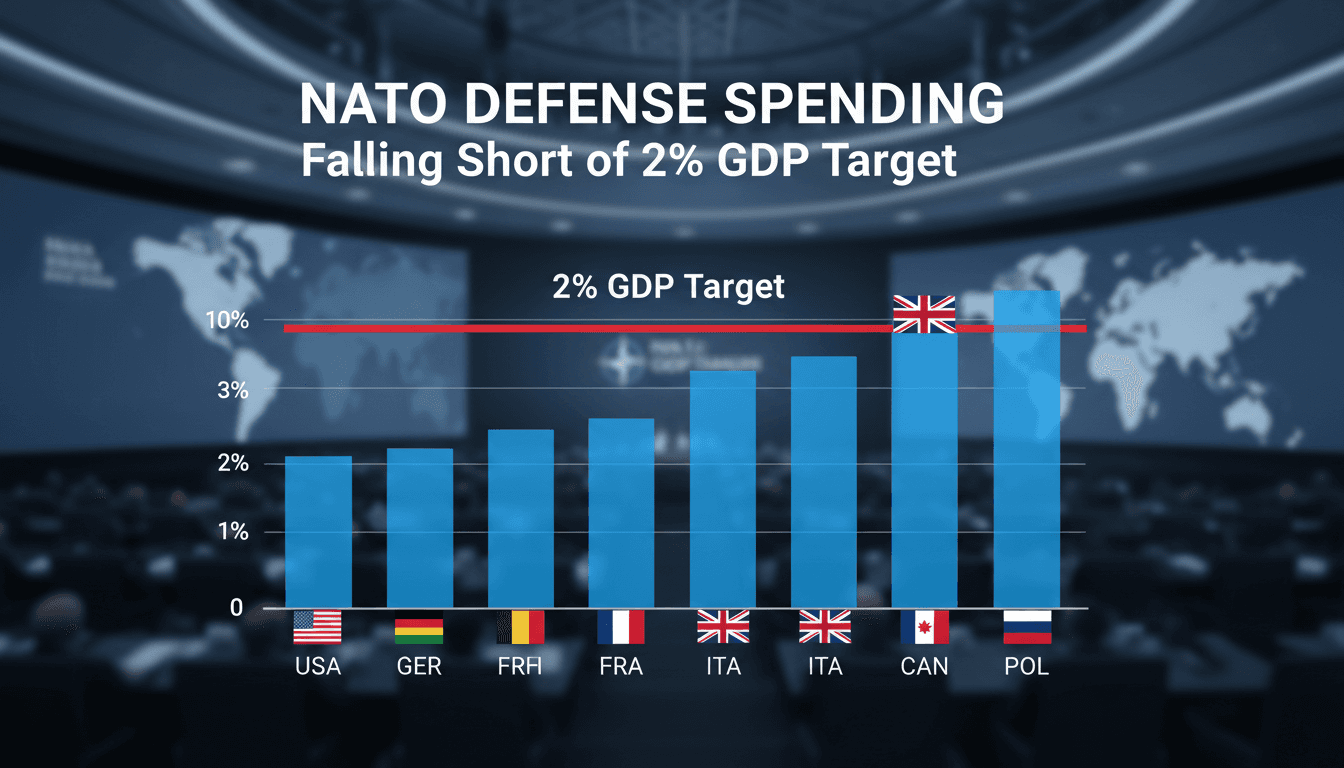
The call for increased defense spending among NATO allies signals a shift in military strategy that could impact global security dynamics. As the U.S. emphasizes the need for its allies to meet the 2% GDP defense spending target, businesses and policymakers should prepare for potential changes in defense contracts and military collaborations. This heightened focus on military readiness may also influence public sentiment regarding national security and defense policies.
What happened
During the Shangri-La Summit, U.S. Defense Secretary Hegseth urged NATO and European countries to enhance their defense budgets. His remarks reflect ongoing U.S. concerns about the military commitments of its allies amid rising global tensions. Hegseth's comments were made on May 30, 2026, as he highlighted the necessity for NATO members to meet established defense spending guidelines.
The U.S. has been pressing NATO allies to meet the 2% GDP defense spending target, which many have yet to achieve. This call to action underscores the urgency of addressing military preparedness in light of increasing security threats in Europe. The Trump administration's influence continues to shape U.S. foreign policy regarding NATO and defense spending.
The Context
The backdrop of Hegseth's comments is marked by heightened security concerns in Europe, prompting the U.S. to advocate for stronger military commitments from its allies. NATO's guideline for member countries to allocate at least 2% of their GDP to defense spending has been a contentious issue, with many allies reluctant to comply. This situation reflects broader geopolitical tensions that have emerged in recent years.
As global threats evolve, the pressure on NATO members to bolster their defense budgets is expected to intensify. The implications of this push for increased spending could reshape military alliances and strategies, influencing how NATO operates in the future. Stakeholders across various sectors, including defense contractors and policymakers, will need to monitor these developments closely.
Takeaway
Looking ahead, the U.S. is likely to continue advocating for increased military spending among its allies as global security dynamics evolve. Potential responses from NATO allies regarding defense spending will be critical to watch, as they may indicate shifts in military strategy and collaboration. Future U.S. defense policy shifts under the current administration could further impact NATO's approach to collective security.
The ongoing dialogue about defense budgets will shape the landscape of international relations and military preparedness in the coming years. Stakeholders should remain vigilant as these discussions unfold, as they may have significant implications for defense-related investments and partnerships.
Global business headlines with AI angles.
"General business outlet that frequently covers AI."
— A47 Editor
Hegseth Reiterates US Unease With NATO Allies In Shangri-La Summit
During the Shangri-La Summit, U.S. Defense Secretary Hegseth expressed ongoing concerns regarding NATO allies' reluctance to increase military spending, reflecting the Trump administration's pressure on these nations.
Regional and international reporting focused on Middle Eastern politics, diplomacy, and economics.
"Asharq Al-Awsat is a Saudi-owned international newspaper reflecting mainstream Gulf political perspectives."
— A47 Editor
Raise Defense Spending or Else, Hegseth Tells NATO, Europe
U.S. Defense Secretary Pete Hegseth has urged NATO and European nations to increase their defense spending, emphasizing the need for a robust military response amid rising global tensions. He highlighted the importance of meeting the 2% GDP spending ...
Macro commentary, policy analysis, growth/inflation themes, and global outlooks.
"Contextual macro coverage that complements day-to-day market headlines."
— A47 Editor
Hegseth praises Asian allies, warns Europe on defense spending
Hegseth commended Asian allies for their defense contributions while cautioning European nations about their defense spending, highlighting the need for increased investment in security amid shifting global dynamics.