
Xi Jinping Advocates for Global Cooperation in AI at Shanghai Conference
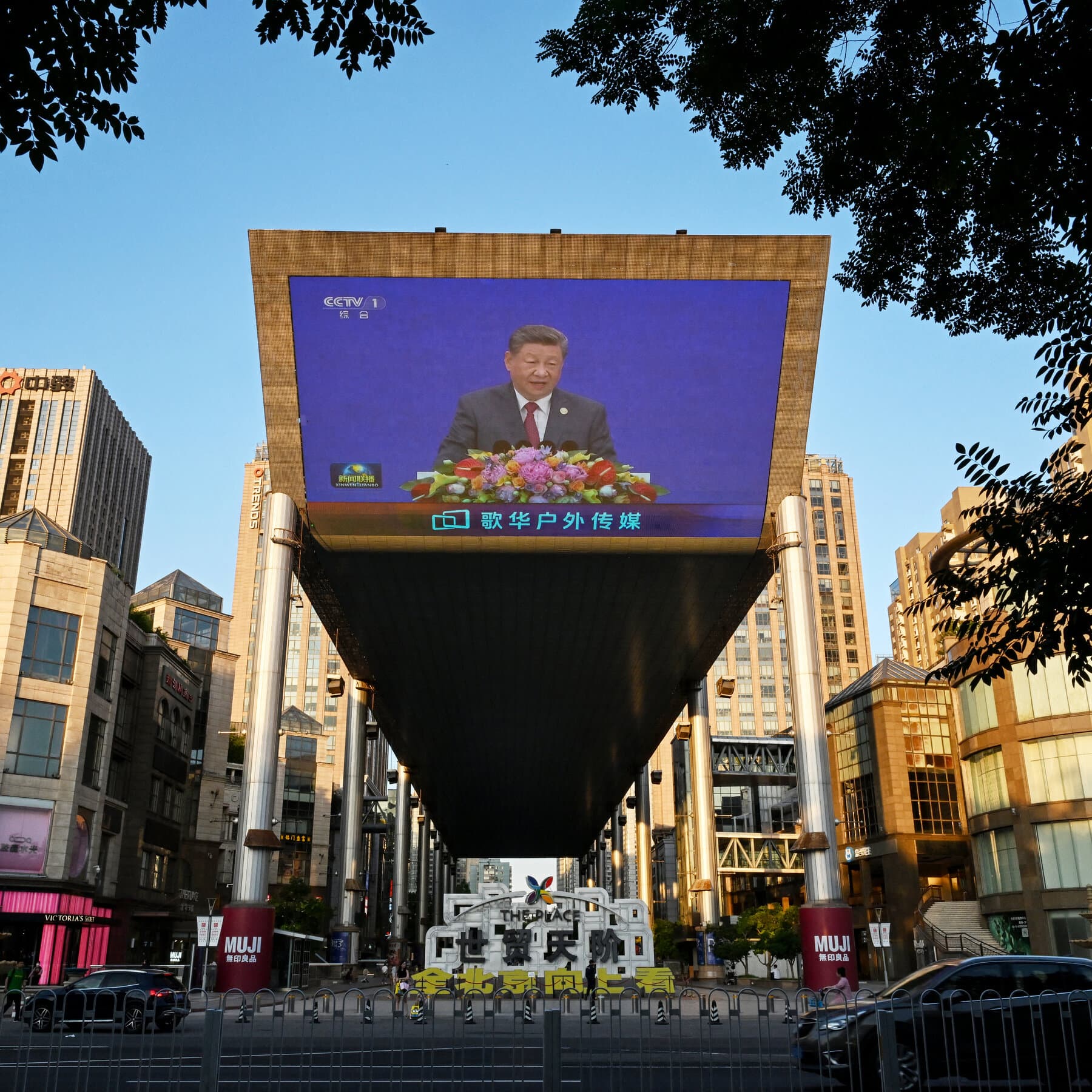
Here's what it means for you.
The recent call for international collaboration in artificial intelligence (AI) by President Xi Jinping signals a pivotal shift in the global tech landscape. As Chinese AI technologies rapidly advance, the competitive dynamics between the U.S. and China are evolving, emphasizing not just technological superiority but also factors like pricing and accessibility. This development may compel U.S. tech leaders to reassess their strategies to maintain a competitive edge. The implications of this shift extend beyond technology, potentially influencing international relations and global technology standards. Stakeholders in the AI sector should prepare for a landscape where cooperation may become as crucial as competition.
What happened
At a major technology conference in Shanghai, President Xi Jinping emphasized the necessity for international cooperation in artificial intelligence. He asserted that AI should not be dominated by any single country, highlighting the importance of a unified global approach. The event showcased significant advancements in Chinese AI technology, which are increasingly competitive with U.S. offerings.
This conference marks a critical moment in the ongoing rivalry between the U.S. and China, as both nations strive for leadership in the AI sector. Reports following the event detailed how Chinese companies are rapidly closing the gap in capabilities and pricing, intensifying the competitive pressure on U.S. technologies.
The Context
The backdrop of this conference is a rapidly evolving AI landscape, where Chinese technologies are becoming formidable competitors to those from the U.S. Xi Jinping's call for a new global order in AI underscores a shift from a focus on technological dominance to one that prioritizes cooperation and accessibility. This change is significant as it reflects broader trends in international relations and technology development.
As both nations ramp up their investments in AI, the implications for global technology standards and international relations are profound. The timing of this call for collaboration coincides with increasing scrutiny of AI regulations and the need for a cohesive approach to address the challenges posed by rapid technological advancements.
Takeaway
Looking ahead, the evolving AI landscape suggests that the U.S. must adapt to maintain its leadership position in technology. Stakeholders should monitor developments in AI regulations and international collaborations, as these will shape the competitive dynamics between the two nations. Responses from U.S. tech leaders regarding their strategies in light of China's advancements will be crucial to watch.
As the competition intensifies, both countries are likely to increase their investments in AI research and development, which could have lasting implications for the global technology ecosystem. The focus will shift towards ensuring that AI technologies are accessible and affordable, reshaping the future of innovation.
Global business headlines with AI angles.
"General business outlet that frequently covers AI."
— A47 Editor
China's AI Companies Are Winning Over Developers With Cheaper Models. Silicon Valley's Biggest Advantage Is Facing New Pressure.
China's artificial intelligence companies are gaining traction among developers by offering advanced AI models at significantly lower costs than their U.S. counterparts, particularly those from Silicon Valley. This shift highlights a growing competit...
Tech business coverage, major deals, product launches, and Silicon Valley trends.
"WSJ’s tech section offers authoritative reporting on the intersection of technology and business, including exclusive industry analysis."
— A47 Editor
China’s Top AI Event Delivers Message to the U.S.: We’re Coming for You
At a recent AI conference in Shanghai, Chinese companies showcased significant advancements in artificial intelligence, signaling a challenge to U.S. dominance in the sector. The event highlighted China's rapid progress, particularly with the unveili...
Tech industry coverage with AI angles.
"Mainstream tech news intersecting with AI policy and culture."
— A47 Editor
Why Silicon Valley Can’t Stop Looking Over Its Shoulder at China
Recent advancements in artificial intelligence have positioned Chinese companies, particularly Z.ai, as formidable competitors to leading U.S. firms like OpenAI and Anthropic, with their models now nearly matching American technologies at lower costs...
Tech policy, trends, and innovation news.
"The New York Times is a globally recognized newspaper offering authoritative reporting with a center-left editorial stance."
— A47 Editor
Why Silicon Valley Can’t Stop Looking Over Its Shoulder at China
Recent advancements in artificial intelligence have positioned Chinese companies, particularly Z.ai, as formidable competitors to leading U.S. firms like OpenAI and Anthropic, with their models now nearly matching American technologies at lower costs...
English-language news from Qatar covering domestic and regional affairs.
"Gulf Times reflects Qatari perspectives on regional developments."
— A47 Editor
China’s Xi says AI should not be dominated by one country
At a major technology conference in Shanghai, Chinese President Xi Jinping emphasized that artificial intelligence (AI) should not be dominated by a single country, advocating for international cooperation in the field. This statement reflects China'...