
Iranian Strikes Cause Surge in Oil Prices and Market Volatility
Here's what it means for you.
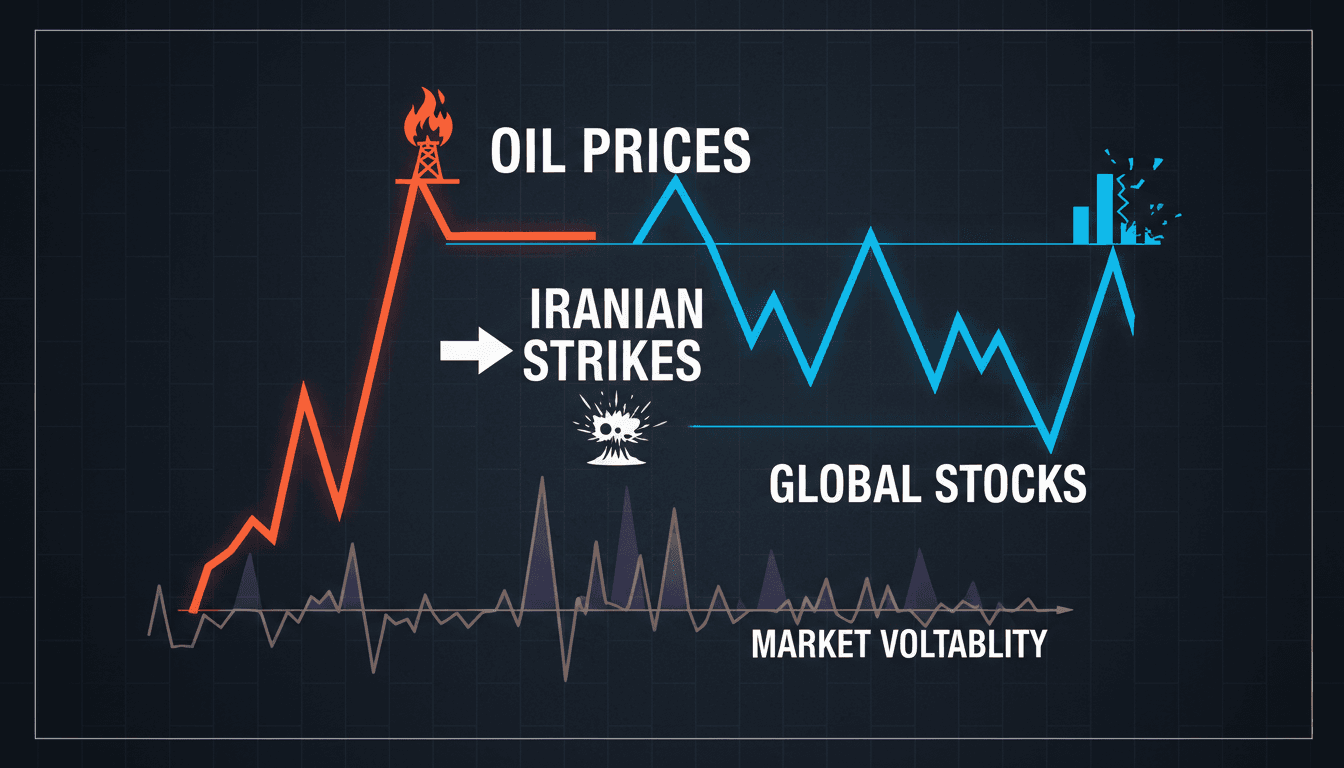
The recent Iranian strikes have triggered a notable increase in oil prices, which is likely to influence investment strategies across various sectors. As oil stocks rise, technology stocks are experiencing a downturn, reflecting a shift in investor sentiment amid heightened geopolitical tensions. This volatility underscores the importance of closely monitoring developments in the region, as they could have far-reaching implications for market dynamics. The renewed conflict between the U.S. and Iran adds another layer of complexity, making it essential for investors to reassess their portfolios in light of potential disruptions to oil supply. The situation calls for vigilance as further military actions could exacerbate market fluctuations.
What happened
Iranian strikes have led to a significant spike in oil prices, which has had a direct impact on global stock markets. Following these events, oil stocks have seen a rise, while technology stocks in the U.S. have faced declines. This immediate reaction highlights the interconnectedness of geopolitical events and market performance.
On July 13, 2026, the strikes occurred, prompting a swift response from investors. The FTSE 100 index showed a slight increase amid the rising oil prices, indicating a mixed market reaction. The overall volatility reflects the uncertainty surrounding the renewed conflict between the U.S. and Iran.
The Context
The backdrop of this situation involves escalating tensions between the U.S. and Iran, which have historically influenced oil prices and market stability. Stakeholders in the oil industry are particularly sensitive to these developments, as any military actions could disrupt supply chains and affect pricing structures.
The current geopolitical climate is characterized by a delicate balance, where any further military actions could lead to significant market shifts. Investors are now faced with the challenge of navigating these turbulent waters, as the implications of the conflict extend beyond oil prices to broader economic conditions.
Takeaway
Looking ahead, market participants should remain alert to potential further military actions in the region, as these could significantly impact oil supply and prices. Responses from major oil-producing countries will also be crucial in shaping market dynamics.
As the situation evolves, the interplay between geopolitical events and market trends will be critical for investors to monitor. The ongoing volatility serves as a reminder of the importance of strategic planning in uncertain times.
Market-moving headlines impacting equities, bonds, and related risk assets.
"Real-time catalysts and volatility drivers across indices and sectors."
— A47 Editor
FTSE 100 today: Stocks edge higher as oil surges on Iran strikes
The FTSE 100 index saw a modest increase today, buoyed by a surge in oil prices following military strikes by the United States against Iran. This development comes in the wake of heightened geopolitical tensions, particularly after Iran's missile at...
UAE-based English-language newspaper covering regional politics, economics, and global affairs.
"The National reflects Emirati policy perspectives while maintaining international editorial standards."
— A47 Editor
Manus on Markets: Renewed US-Iran strikes spike oil prices
Renewed military strikes between the United States and Iran have led to a significant spike in oil prices, with Brent crude surpassing $79 per barrel. This escalation follows a series of U.S. airstrikes targeting Iranian military sites, marking a det...
Global markets, investing, and macroeconomics from a premier financial newsroom.
"Bloomberg is respected for in-depth financial reporting and data-driven analysis."
— A47 Editor
Oil Stocks Rise, Tech Stocks Fall After Latest Iran Strikes
Oil stocks have risen following recent military strikes by the United States against Iran, which have escalated tensions in the region. This development comes amid a backdrop of fluctuating oil prices, with some reports indicating a surge in oil pric...