
US to repurpose 20 tonnes of plutonium from nuclear warheads for energy use
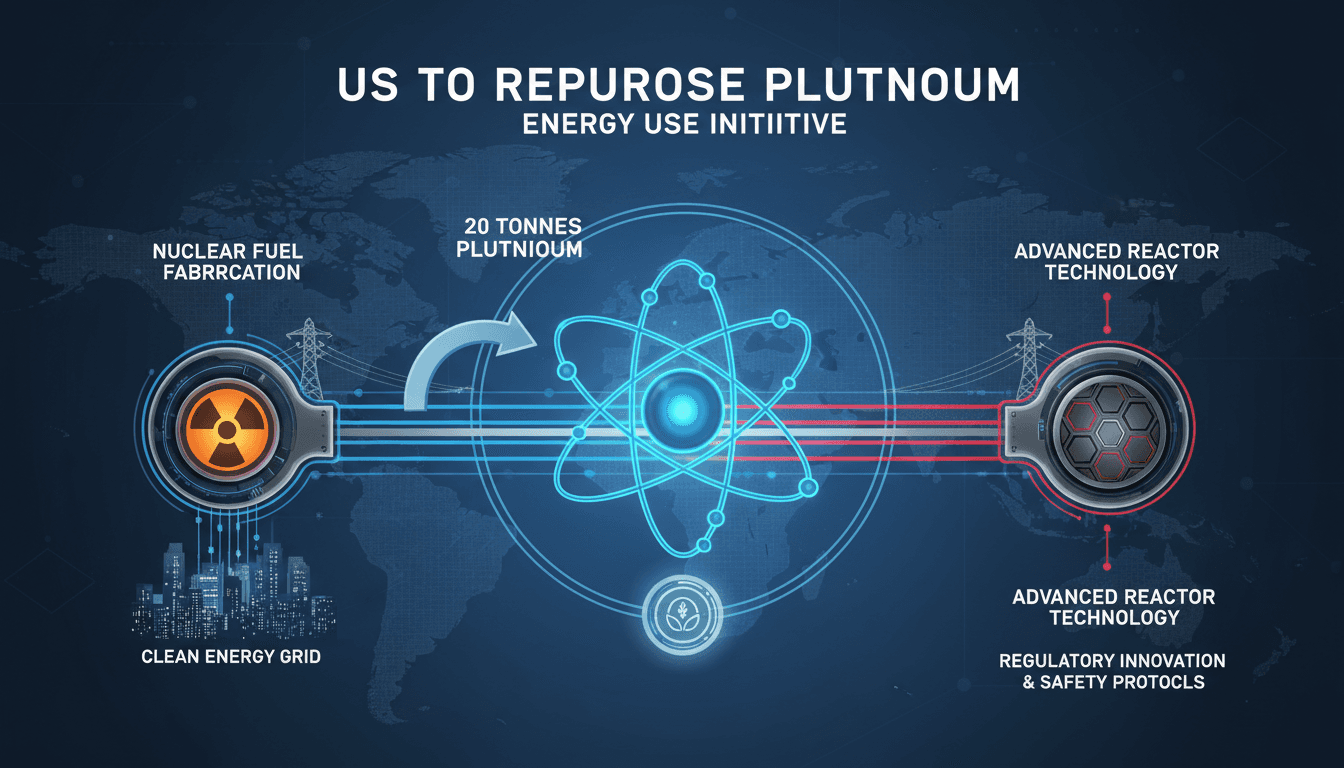
Here's what it means for you.
The U.S. government's initiative to repurpose 20 tonnes of plutonium from dismantled nuclear warheads could reshape the energy landscape by introducing a new source of nuclear fuel. However, this plan raises significant safety and regulatory concerns that must be addressed before implementation. The success of this initiative will depend on advancements in reactor technology and the establishment of robust safety frameworks. As discussions progress, stakeholders in the energy sector will need to closely monitor developments to understand the implications for energy production and regulatory compliance. The potential for utilizing Cold War-era materials could lead to innovative solutions in energy generation, but caution is warranted.
What happened
The U.S. government has announced plans to make approximately 20 tonnes of plutonium from dismantled nuclear weapons available for use as fuel by power firms. This initiative is part of a broader strategy aimed at repurposing Cold War-era materials for energy production. The discussions surrounding this initiative have included start-up Oklo, which is exploring the feasibility of utilizing this plutonium for nuclear fuel.
Experts have raised concerns regarding the safety and practicality of using weapons-grade plutonium in nuclear reactors. Currently, the necessary reactor types capable of handling such materials do not exist in the U.S., which complicates the implementation of this plan. The announcement marks a significant step in the government's efforts to address surplus nuclear materials while exploring new energy sources.
The Context
This initiative to repurpose Cold War-era plutonium is a response to the ongoing need for innovative energy solutions. The discussions with Oklo highlight the involvement of private sector players in exploring the potential of this material for nuclear fuel. However, the lack of existing mixed oxide reactors in the U.S. raises questions about the feasibility of the project.
The timing of this announcement coincides with a growing interest in sustainable energy sources and the need to manage surplus nuclear materials responsibly. As the government seeks to transition from traditional energy sources, the repurposing of plutonium could play a role in diversifying the energy portfolio. Nevertheless, the safety concerns associated with using weapons-grade materials must be addressed to gain public and regulatory support.
Takeaway
The future of this initiative will hinge on technological advancements and the establishment of regulatory frameworks that ensure safety in the use of repurposed nuclear materials. As discussions continue, stakeholders will need to focus on developing reactor technology capable of utilizing mixed oxide fuel. Regulatory responses to the proposed plutonium repurposing initiative will also be critical in determining its viability.
Monitoring developments in reactor technology and safety regulations will be essential for energy firms considering the use of this plutonium. The success of this plan could pave the way for innovative energy solutions, but it will require careful navigation of the associated risks and challenges.
Science and technology stories including AI.
"Longstanding science magazine with thoughtful AI coverage."
— A47 Editor
Trump plan to give start-ups plutonium harvested from Cold War–era nuclear weapons is risky, experts say
Experts have raised concerns over a plan proposed by Trump to allocate plutonium harvested from Cold War-era nuclear weapons to start-ups, despite the absence of mixed oxide reactors in the U.S. that could utilize such material.
Scientific research, technology, environment, and society.
"Scientific American is one of the oldest and most authoritative science magazines, known for deep dives into science, technology, and society."
— A47 Editor
Trump plan to give start-ups plutonium harvested from Cold War–era nuclear weapons is risky, experts say
Experts have raised concerns over a plan proposed by Trump to allocate plutonium harvested from Cold War-era nuclear weapons to start-ups, despite the absence of mixed oxide reactors in the U.S. that could utilize such material.
Global news coverage with extensive reporting on Middle Eastern conflicts and geopolitics.
"Al Jazeera is a Qatar-based broadcaster known for wide regional coverage and alternative perspectives."
— A47 Editor
US picks potential partners for using Cold War-era plutonium as fuel
The U.S. government, under President Trump, has selected potential partners for utilizing approximately 20 tonnes of plutonium derived from dismantled nuclear warheads as fuel for power generation. This initiative aims to repurpose Cold War-era mater...
Comprehensive coverage of Middle Eastern and global issues.
"Al Jazeera is a prominent voice from the Global South, especially the Middle East, with an emphasis on underreported stories."
— A47 Editor
US picks potential partners for using Cold War-era plutonium as fuel
The U.S. government, under President Trump, has selected potential partners for utilizing approximately 20 tonnes of plutonium derived from dismantled nuclear warheads as fuel for power generation. This initiative aims to repurpose Cold War-era mater...
Oil, metals, and agriculture: supply/demand headlines, OPEC chatter, inventories, and price action.
"Solid tape for energy and metals traders tracking macro and micro catalysts."
— A47 Editor
Oklo says in US talks on using Cold War-era plutonium for nuclear fuel
Oklo is currently engaged in discussions with the US government regarding the potential use of Cold War-era plutonium as a source for nuclear fuel. This initiative aims to repurpose existing nuclear materials, which could enhance energy production wh...