
US-Iran military exchanges escalate tensions impacting global oil prices
Here's what it means for you.
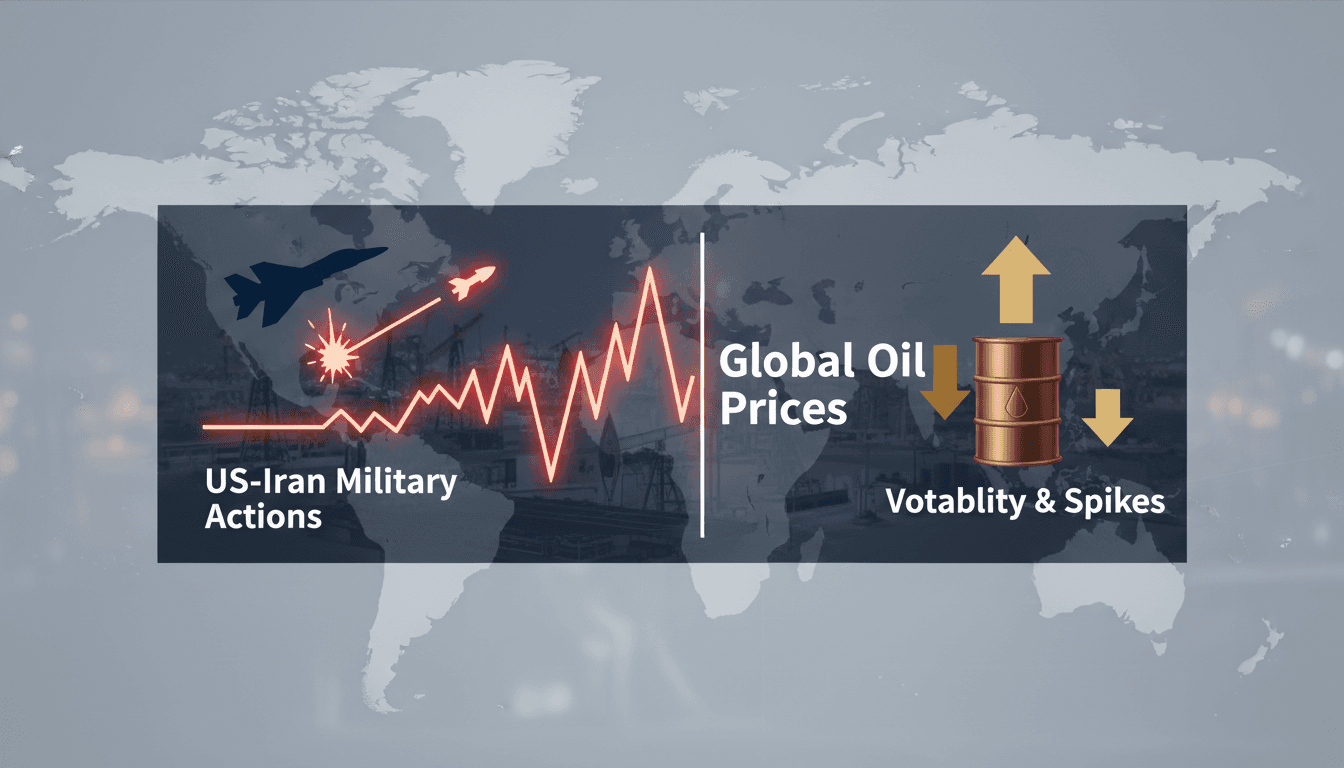
The recent military exchanges between the US and Iran are creating a volatile environment for global oil prices. As tensions rise, market participants must remain vigilant, as fluctuations in oil prices can significantly impact economic stability and energy costs. Investors and policymakers alike should prepare for continued uncertainty as the situation evolves. The potential for further military action or diplomatic resolutions will be crucial in determining the trajectory of oil prices in the coming weeks. Stakeholders in the energy sector should closely monitor developments to adjust their strategies accordingly.
What happened
Oil prices have shown mixed movements following escalating tensions between the US and Iran. The immediate trigger for this volatility was US airstrikes on Iranian missile sites on May 26, 2026. In retaliation, Iran targeted a US airbase on May 28, 2026, further complicating the geopolitical landscape. Analysts are currently divided on the future direction of oil prices as these events unfold.
The conflict has created an environment of uncertainty, with market reactions reflecting the ongoing military exchanges. As the situation develops, oil prices are expected to remain sensitive to news related to US-Iran relations.
The Context
The recent military actions represent a significant escalation in the long-standing tensions between the US and Iran. The US airstrikes and Iran's subsequent retaliation highlight the fragile nature of regional stability and the potential for further conflict. Analysts are closely monitoring these developments, as they could have far-reaching implications for global oil markets.
The timing of these events is critical, as they coincide with ongoing discussions about potential diplomatic resolutions. However, conflicting reports regarding a ceasefire have left stakeholders uncertain about the future. The situation remains fluid, with both military and diplomatic avenues being explored.
Takeaway
As tensions persist, the oil market is likely to remain sensitive to geopolitical developments. Analysts suggest that the ongoing conflict between the US and Iran will continue to impact global oil prices in the near future. Market participants should be prepared for fluctuations based on news from the region.
Looking ahead, potential diplomatic resolutions or further escalations in military actions will be key factors to watch. The market's reaction to these developments will provide insight into the future trajectory of oil prices.
Oil, metals, and agriculture: supply/demand headlines, OPEC chatter, inventories, and price action.
"Solid tape for energy and metals traders tracking macro and micro catalysts."
— A47 Editor
Oil prices settle in mixed direction on conflicting reports of US-Iran ceasefire deal
Oil prices have settled in mixed directions following conflicting reports regarding a potential ceasefire deal between the U.S. and Iran. While some reports suggest a breakthrough in negotiations, others indicate ongoing military tensions, leading to...
Regional and international reporting focused on Middle Eastern politics, diplomacy, and economics.
"Asharq Al-Awsat is a Saudi-owned international newspaper reflecting mainstream Gulf political perspectives."
— A47 Editor
Oil Surges After Iran Targets US Airbase in Retaliation
Oil prices surged following Iran's missile attack on a U.S. airbase, a retaliation for recent American military strikes on Iranian military sites. This escalation marks a significant increase in tensions between the two nations, which have been engag...
UAE-based English-language newspaper covering regional politics, economics, and global affairs.
"The National reflects Emirati policy perspectives while maintaining international editorial standards."
— A47 Editor
Analysts divided on oil’s next move after latest US strikes in Iran
Recent U.S. military strikes on Iranian missile sites have led to a surge in global oil prices, with analysts divided on the implications for future market movements. The U.S. justified these actions as necessary for self-defense, escalating tensions...
UAE-based English-language newspaper covering regional politics, economics, and global affairs.
"The National reflects Emirati policy perspectives while maintaining international editorial standards."
— A47 Editor
US strikes Iranian missile sites as mediators press ahead with talks
The United States military has conducted strikes on Iranian missile sites and naval vessels in southern Iran, claiming these actions were necessary for self-defense amid escalating tensions in the region. This military action occurred while negotiati...