
Oil flow through the Strait of Hormuz returns to pre-war levels amid fragile ceasefire
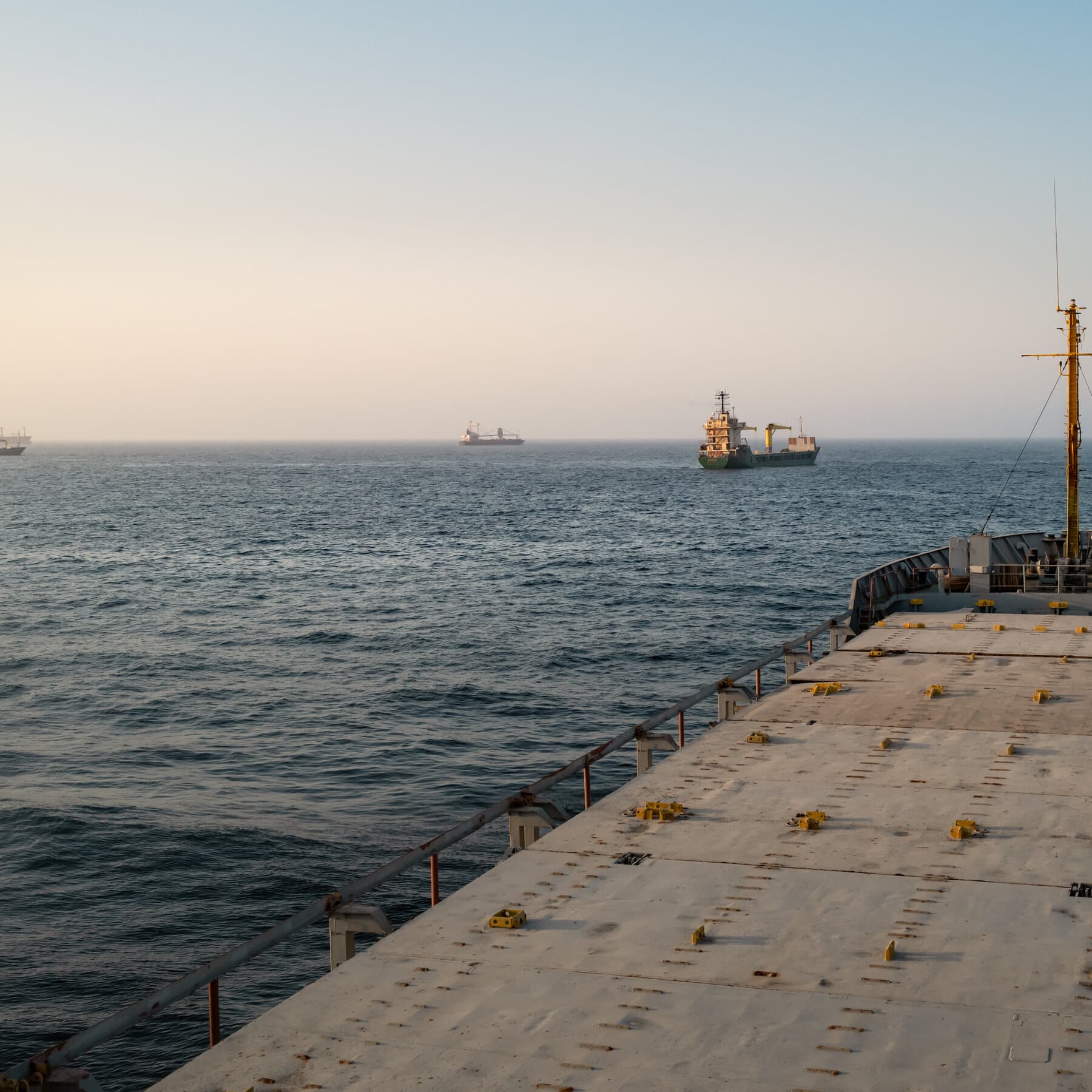
Here's what it means for you.
The resurgence of oil flow through the Strait of Hormuz to pre-war levels signals a potential shift in the global oil market, influenced by recent U.S.-Iran negotiations. However, the fragile ceasefire raises concerns about the stability of this critical shipping route, which could impact oil prices and supply chains. While increased oil revenues may benefit the Iranian government, ordinary citizens may not see significant improvements in their economic conditions.
What happened
Oil flow through the Strait of Hormuz has rebounded to pre-war levels, as confirmed by Vice President JD Vance. This recovery follows a memorandum of understanding between the U.S. and Iran, aimed at stabilizing the region. Despite this positive development, overall shipping traffic remains lower, with many vessels opting to retreat due to ongoing security concerns.
The fragile ceasefire in the region has been marked by recent exchanges of attacks between Iran and the U.S., highlighting the precarious nature of the situation. While the increase in oil flow is a significant indicator of recovery, it does not fully alleviate the challenges faced by ordinary Iranians, who continue to struggle economically.
The Context
The Strait of Hormuz is a vital artery for global oil transportation, making its stability crucial for international markets. The recent agreement between the U.S. and Iran has led to a notable increase in oil flow, yet the fragile ceasefire complicates the situation. Stakeholders, including governments and oil companies, are closely monitoring developments, as any escalation in tensions could disrupt shipping routes and impact oil prices.
Despite the uptick in oil revenues, the benefits are not translating into improved living conditions for the average Iranian citizen. This disconnect underscores the broader economic struggles faced by the population, even as the government sees increased income from oil exports. The ongoing volatility in the region raises questions about the long-term sustainability of this recovery.
Takeaway
The situation in the Strait of Hormuz remains volatile, with potential implications for both oil markets and regional stability. Observers should monitor developments in U.S.-Iran relations, as any shifts could directly affect shipping security and oil flows. Additionally, the economic landscape in Iran may evolve as oil revenues increase, but the impact on ordinary citizens will be crucial to watch.
As geopolitical tensions continue to unfold, the balance between economic recovery and security concerns will be pivotal. Stakeholders must remain vigilant, as the fragile ceasefire could easily be disrupted, leading to further instability in this critical region.
Breaking news, politics, business, and entertainment from the U.S. and around the world.
"The New York Post is a tabloid-format newspaper known for its sensationalist headlines and conservative-leaning editorial tone."
— A47 Editor
Strait of Hormuz oil flowing back to pre-Iran war levels, Vance says
Oil flow through the Strait of Hormuz has reportedly returned to pre-war levels, with Vice President JD Vance stating that the flow sometimes exceeds these levels following the reopening of the waterway by Tehran after a U.S.-Iran memorandum of under...
Markets, economy, and company analysis from NYT’s business desk.
"The New York Times is a globally recognized newspaper offering authoritative reporting with a center-left editorial stance."
— A47 Editor
Shipping Traffic in Strait of Hormuz Picks Up Again
Shipping traffic in the Strait of Hormuz has recently increased, with vessels that had been stranded for months beginning to move again. However, this uptick was short-lived as many ships retreated over the weekend following renewed attacks exchanged...
Global political, business, and cultural coverage from WSJ international desks.
"The Wall Street Journal offers extensive international reporting with a reputation for financial insight and a center-right editorial stance."
— A47 Editor
Iran’s Oil Money Is Coming Back. Its Main Street Will Have to Wait.
Following a fragile ceasefire in the Strait of Hormuz, Iran is set to see a return of oil revenue, but this influx is unlikely to significantly impact the daily lives of ordinary Iranians. The reopening of this vital shipping route has led to a surge...