
Trump Cancels Planned Airstrikes Against Iran in Shift Towards Diplomacy
Here's what it means for you.
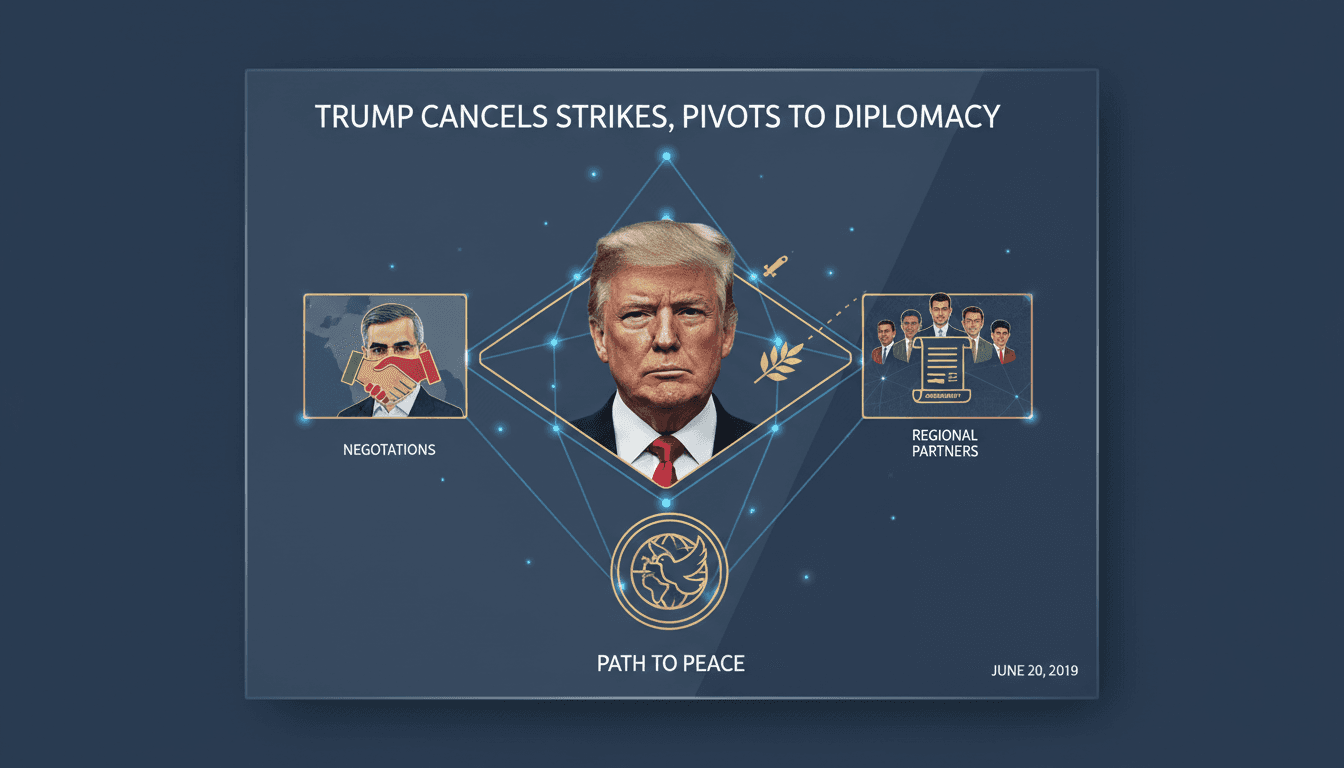
President Trump's decision to cancel airstrikes against Iran marks a significant shift in U.S. foreign policy, emphasizing diplomacy over military action. This move may open avenues for negotiations that could stabilize relations in a volatile region. Stakeholders in international markets and policy circles should prepare for potential changes in sanctions and trade dynamics as discussions progress. The implications of this decision extend beyond immediate military concerns, potentially reshaping alliances and partnerships in the Middle East. As the U.S. engages in dialogue, the response from Iran and other regional players will be crucial in determining the future landscape of U.S.-Iran relations.
What happened
President Donald Trump announced the cancellation of planned airstrikes against Iran that were scheduled for Thursday evening. This decision follows high-level discussions with Iranian leadership and various regional partners, indicating a shift towards diplomatic engagement. Trump confirmed that maritime sanctions will remain in effect until a final agreement is reached, underscoring the ongoing tensions in the region.
The announcement was made via Trump's platform, Truth Social, highlighting the administration's communication strategy. The discussions involved multiple countries, including the U.S., Israel, Saudi Arabia, and others, reflecting the international dimension of the negotiations.
The Context
The cancellation of airstrikes comes after extensive negotiations with Iran and other regional stakeholders, suggesting a broader strategy to resolve tensions through dialogue rather than military intervention. The involvement of ten countries in these discussions emphasizes the complexity of the situation and the need for a coordinated approach to diplomacy.
As the U.S. navigates this diplomatic landscape, the maritime blockade against Iran will continue until an agreement is finalized. This ongoing pressure may influence Iran's willingness to engage constructively in negotiations, making the next steps critical for all parties involved.
Takeaway
The cancellation of strikes suggests a potential shift towards diplomatic solutions in U.S.-Iran relations, but the effectiveness of these discussions will depend on the willingness of all parties to compromise. Stakeholders should monitor for announcements regarding the signing of any agreements, as well as reactions from Iran and other regional players.
As negotiations unfold, the international community will be watching closely to see if this diplomatic engagement can lead to a formal agreement that addresses the underlying issues at play.
Oil, metals, and agriculture: supply/demand headlines, OPEC chatter, inventories, and price action.
"Solid tape for energy and metals traders tracking macro and micro catalysts."
— A47 Editor
Trump cancels strikes against Iran planned for Thursday evening
President Trump has canceled planned military strikes against Iran that were scheduled for Thursday evening, amidst escalating tensions following the downing of an American Apache helicopter, which he attributed to Iranian forces. This decision comes...
Arabic-language coverage of political affairs and current events.
"Okaz political coverage typically follows mainstream Saudi framing on national and regional affairs."
— A47 Editor
قبل ساعات من القصف.. ترمب: ألغيت الضربة على إيران والحصار مستمر
U.S. President Donald Trump announced the cancellation of planned airstrikes against Iran, stating that discussions had reached the highest levels of Iranian leadership and necessary approvals were obtained. The agreement involved multiple regional a...
Arabic-language coverage of international news and geopolitics.
"RT Arabic is a Russian state-funded outlet often criticized for promoting Kremlin-aligned narratives."
— A47 Editor
ترامب يعلن إلغاء الضربات وعمليات القصف التي كانت مقررة ضد إيران
U.S. President Donald Trump announced the cancellation of planned strikes and bombing operations against Iran this evening. This decision marks a significant shift in U.S. military strategy regarding Iran, reflecting ongoing tensions in the region.