
US Military Resumes Naval Blockade in Strait of Hormuz Amid Rising Tensions with Iran
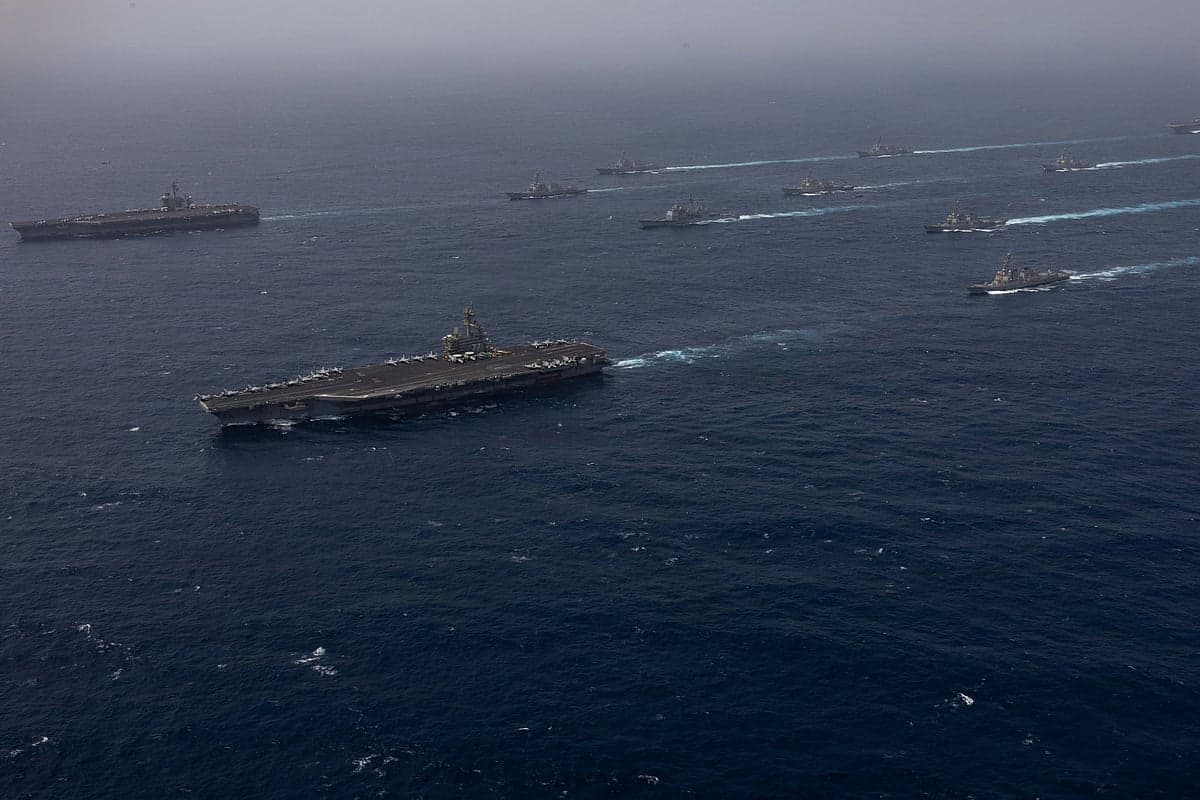
Here's what it means for you.
The U.S. military's reinstatement of its naval blockade in the Strait of Hormuz signals a significant escalation in tensions with Iran, which could have far-reaching implications for global oil markets. As approximately 20% of the world's oil passes through this critical waterway, disruptions could lead to increased oil prices and affect international trade. Stakeholders in the energy sector should closely monitor these developments, as they may influence market stability and geopolitical relations. The blockade not only impacts shipping routes but also raises the stakes for military confrontations in the region. This situation necessitates vigilance from policymakers and businesses alike, as the potential for conflict could reshape energy supply dynamics.
What happened
The U.S. military officially resumed its blockade on Iranian ports in the Strait of Hormuz on July 14, 2026. This action comes amid escalating tensions with Iran, which has threatened to assert its control over the vital waterway. The blockade has already led to a slowdown in shipping activities and an increase in oil prices, reflecting the immediate economic impact of this military maneuver.
As the situation unfolds, the implications for global shipping and energy markets are becoming increasingly pronounced. The U.S. aims to maintain its influence in the region while countering Iran's assertive stance over the Strait of Hormuz.
The Context
The Strait of Hormuz is a crucial shipping route for global oil supplies, making it a focal point in international energy security. With approximately 20% of the world's oil transiting through this narrow passage, any disruption can have significant repercussions on global oil prices and supply chains. Iran's threats to control the waterway in response to the blockade highlight the delicate balance of power in the region.
The ongoing conflict between the U.S. and Iran has deep historical roots, with both nations vying for influence in the Middle East. The timing of the blockade coincides with heightened geopolitical tensions, raising concerns about potential military confrontations that could further destabilize the area.
Takeaway
As the U.S. blockade continues, the potential for increased military confrontations in the region grows. Observers should monitor developments in U.S.-Iran relations closely, as any escalation could lead to further disruptions in global oil supplies. Additionally, fluctuations in oil prices are likely as shipping routes are affected by the ongoing tensions.
The situation in the Strait of Hormuz is expected to remain tense, with significant implications for international relations and energy markets. Stakeholders should prepare for a volatile environment as the geopolitical landscape evolves.
Markets, economy, and company analysis from NYT’s business desk.
"The New York Times is a globally recognized newspaper offering authoritative reporting with a center-left editorial stance."
— A47 Editor
Oil Prices Tick Higher as U.S. Reinstates Iran Blockade
The United States has reinstated its blockade on Iranian ports in the Strait of Hormuz, leading to a significant slowdown in shipping activities amid escalating military tensions in the region. This decision follows a series of retaliatory strikes be...
Capitol Hill news, legislation, and policy insight.
"The Hill specializes in U.S. politics and policy, with a focus on Capitol Hill developments and a reputation for insider reporting."
— A47 Editor
US military resumes Strait of Hormuz naval blockade
The U.S. military has officially resumed its naval blockade in the Strait of Hormuz, a critical waterway for global oil and gas shipments, amid escalating tensions with Iran. This decision follows a series of military strikes and heightened military ...
International stories from NPR’s global desk.
"NPR is an American public media organization known for thoughtful reporting and a slightly left-leaning editorial tone."
— A47 Editor
U.S. to reinstate Hormuz blockade. And, states sue over Paramount-Warner deal
The United States has announced the reinstatement of a naval blockade over the Strait of Hormuz, effective today, amid escalating tensions with Iran. This blockade is part of a broader strategy to control maritime traffic in this critical region, whi...
International stories from NPR’s global desk.
"NPR is an American public media organization known for thoughtful reporting and a slightly left-leaning editorial tone."
— A47 Editor
The U.S. is back to blockading Iran as the Strait of Hormuz standoff escalates
The U.S. military has initiated a blockade of ships entering or exiting Iranian ports, escalating tensions in the strategically vital Strait of Hormuz. This move follows a series of Iranian attacks on tankers and a breakdown of a ceasefire, prompting...
UAE-based newspaper covering Gulf politics, society, and international developments.
"Gulf News is one of the UAE’s most prominent English-language publications."
— A47 Editor
Strait of Hormuz crisis: US resumes Iran blockade as tanker attacks rattle Gulf
The United States has resumed its naval blockade on Iran, coinciding with a series of military confrontations in the Strait of Hormuz, where attacks have escalated between U.S. and Iranian forces. This renewed blockade follows President Donald Trump'...
A curated Gulf News feed featuring major stories across news, business, opinion, and lifestyle.
"Gulf News is a major UAE newspaper whose featured stories feed reflects a broad editorial mix shaped for a Gulf audience."
— A47 Editor
Strait of Hormuz crisis: US resumes Iran blockade as tanker attacks rattle Gulf
The United States has resumed its naval blockade on Iran, coinciding with a series of military confrontations in the Strait of Hormuz, where attacks have escalated between U.S. and Iranian forces. This renewed blockade follows President Donald Trump'...