
Renewed U.S. strikes against Iran impact global oil prices
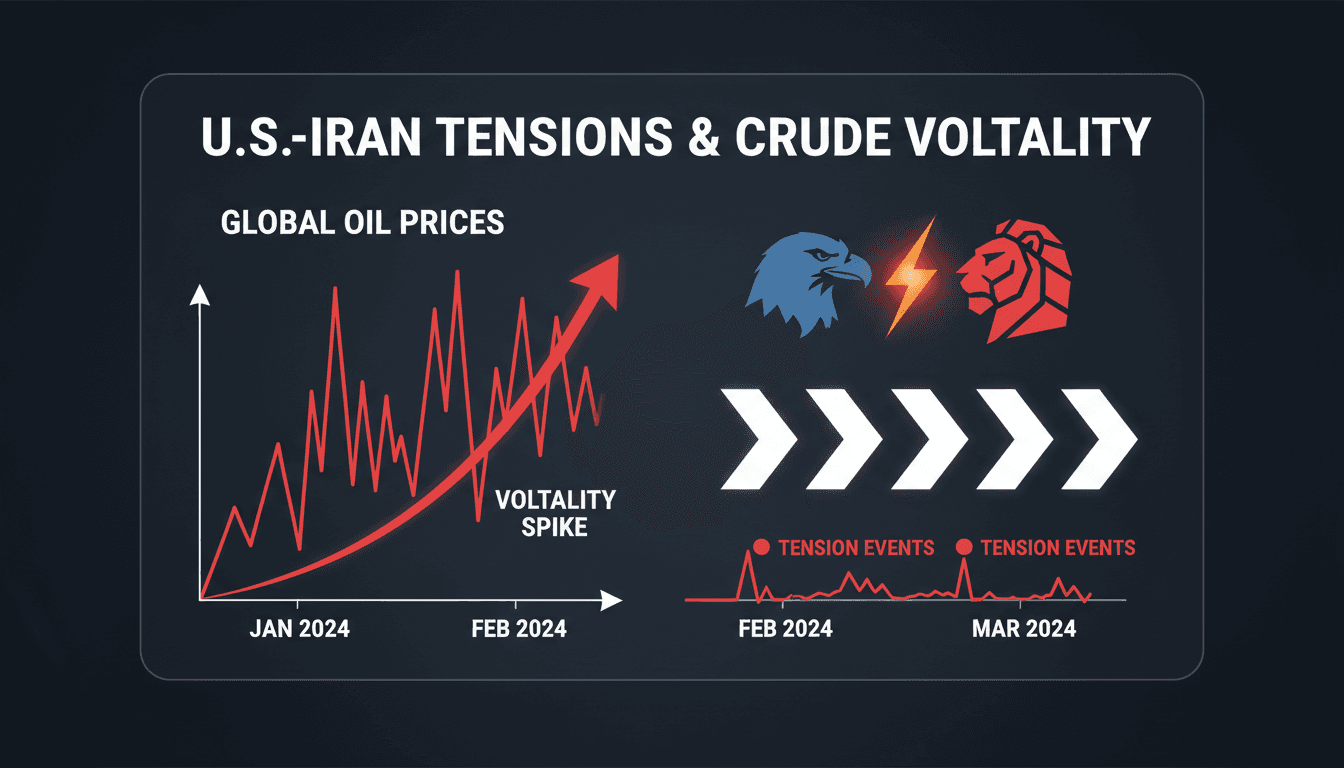
Here's what it means for you.
The recent U.S. strikes against Iranian targets have introduced significant volatility in global oil markets. Traders are closely monitoring the situation, weighing the potential for supply disruptions against the limited scope of the conflict. This ongoing geopolitical tension is likely to keep oil prices fluctuating, impacting both consumers and businesses reliant on stable energy costs. As the situation evolves, stakeholders in the energy sector must remain vigilant. The implications of U.S.-Iran relations extend beyond immediate price changes, potentially affecting long-term energy strategies and policies.
What happened
Renewed U.S. strikes against Iran have led to mixed reactions in the oil markets. Traders are assessing the potential impact on energy shipments through the Persian Gulf, a critical area for global oil supply. While some reports indicate a rise in oil prices due to fears of supply disruptions, others suggest a slight easing as the scope of the conflict appears limited.
The fluctuations in oil prices reflect market sensitivity to geopolitical tensions, with a recent change of approximately 0.5%. This volatility underscores the precarious balance traders must navigate in response to ongoing hostilities.
The Context
The U.S. strikes against Iranian targets have reignited fears of supply disruptions in the oil market. The Persian Gulf remains a vital route for energy shipments, and any escalation in hostilities could significantly impact global oil supply. Market participants are closely monitoring developments, as the geopolitical landscape continues to evolve.
Insights from experts like Leslie Palti-Guzman from Energy Vista highlight the uncertain energy outlook amid rising tensions. The interplay between U.S. actions and Iranian responses will be crucial in determining future market dynamics.
Takeaway
As the situation develops, oil prices are likely to remain volatile. Traders will continue to assess the implications of U.S.-Iran relations on global energy supply. Monitoring further developments in this geopolitical landscape will be essential for understanding future price movements.
In the near term, fluctuations in oil prices will be influenced by traders' reactions to geopolitical news. Stakeholders should prepare for potential impacts on energy strategies and market conditions as tensions persist.
Market-moving headlines impacting equities, bonds, and related risk assets.
"Real-time catalysts and volatility drivers across indices and sectors."
— A47 Editor
Oil prices ease as markets assess fresh U.S.-Iran strikes, Hormuz supply risks
Oil prices have eased as markets react to recent military strikes between the U.S. and Iran, which have raised concerns about supply disruptions in the strategically vital Strait of Hormuz. The escalation in hostilities has led to a significant reduc...
Global markets, investing, and macroeconomics from a premier financial newsroom.
"Bloomberg is respected for in-depth financial reporting and data-driven analysis."
— A47 Editor
Oil Edges Lower as Traders Assess Renewed US-Iran Hostilities
Oil prices have edged lower as traders evaluate the implications of renewed U.S. military strikes against Iran, which have raised concerns about energy supply disruptions in the Persian Gulf. Despite the tensions, the limited scope of hostilities has...
UAE-based English-language newspaper covering regional politics, economics, and global affairs.
"The National reflects Emirati policy perspectives while maintaining international editorial standards."
— A47 Editor
Oil prices rise as US-Iran strikes reignite supply disruption fears
Oil prices have risen sharply following recent airstrikes by the United States on Iranian targets, which were a response to missile attacks by Iran's Revolutionary Guards on commercial vessels in the Strait of Hormuz. This military escalation has rei...