
Google commits to becoming water positive by 2030 for AI data centers
Here's what it means for you.
Google's commitment to becoming water positive by 2030 signals a significant shift in how tech companies approach environmental sustainability. This initiative not only addresses growing concerns about water usage in data centers but also sets a benchmark for industry practices. As public scrutiny intensifies, other tech firms may feel compelled to adopt similar measures to enhance their environmental credentials. The implications extend beyond corporate responsibility; they may influence regulatory frameworks and public policy regarding water management in the tech sector. Stakeholders will be watching closely to see how these commitments unfold and whether they inspire broader industry changes.
What happened
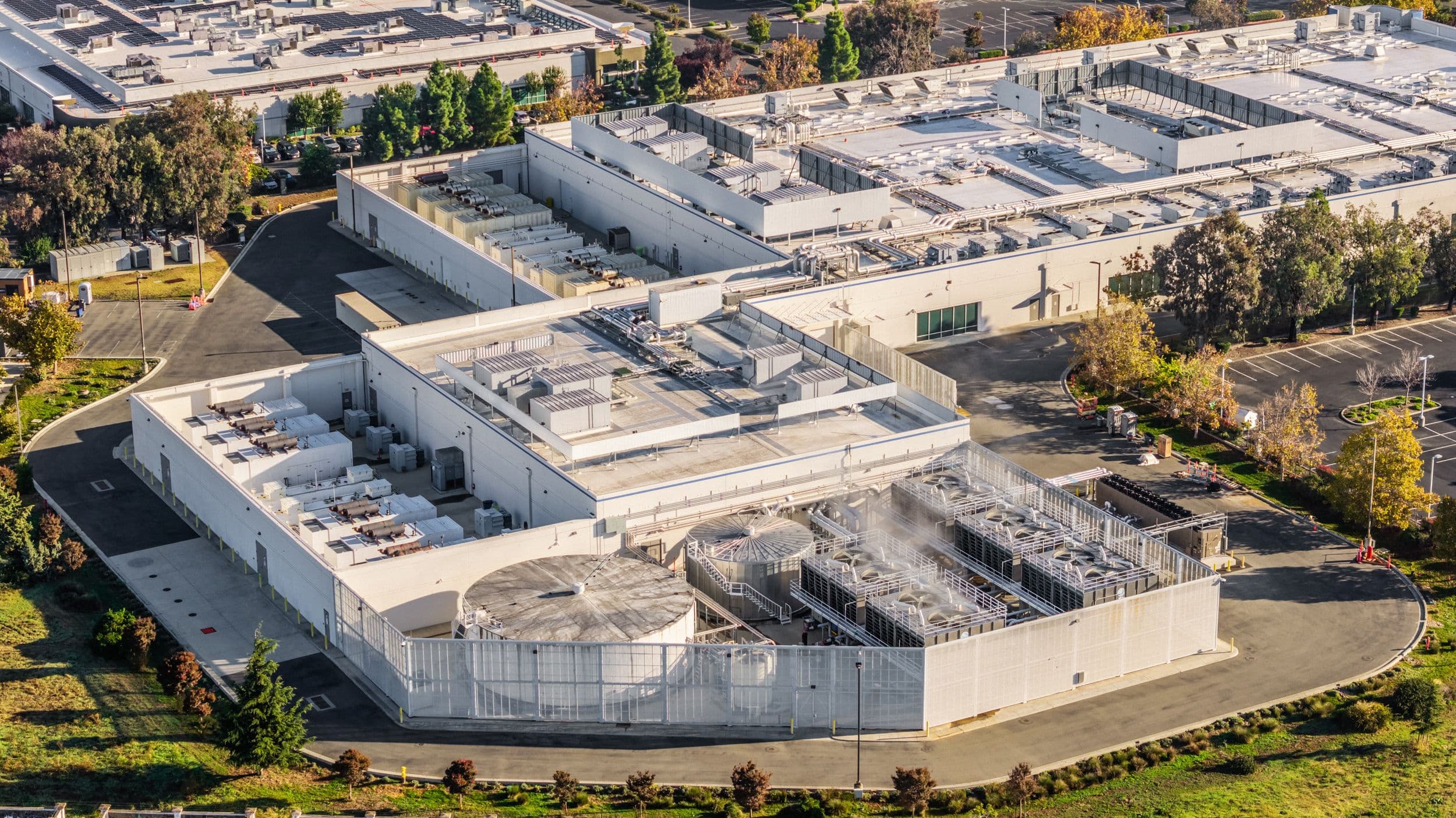
Google has announced five commitments aimed at improving water sustainability in its AI data centers. The company plans to become water positive by 2030, which entails replenishing more water than it consumes. This initiative is part of a broader strategy to enhance local water infrastructure and increase transparency about its water usage.
The announcement comes in response to mounting criticism regarding the environmental impact of hyperscale data center operators. By taking these steps, Google aims to mitigate its water footprint while contributing positively to the communities in which it operates.
The Context
Hyperscale data center operators, including Google and Microsoft, are under increasing scrutiny for their environmental impact, particularly concerning water usage. As these companies expand their operations, the demand for water resources has raised alarms among environmental advocates and local communities. Google's commitment to becoming water positive by 2030 is a direct response to this backlash.
The timing of this announcement is crucial, as it reflects a growing awareness of sustainability issues within the tech industry. By investing in local water infrastructure, Google not only addresses its own consumption but also supports the communities that provide these essential resources.
Takeaway
Google's proactive approach to water management may set a precedent for other tech companies in the industry. As public scrutiny continues to grow, it is likely that more firms will follow suit in addressing environmental concerns, particularly regarding water usage. Stakeholders should monitor how other tech companies respond to this initiative and whether they implement similar commitments.
Updates on Google's progress toward its water commitments will be essential in assessing the effectiveness of this strategy. The tech industry is poised for a potential shift in how it manages water resources, influenced by Google's leadership in sustainability.
Curated tech headlines including AI stories.
"Influential aggregator surfacing the day’s top tech/AI links."
— A47 Editor
Google unveils five AI data center water commitments, including becoming water positive by 2030, local infrastructure investment, and transparency about usage (Lauren Feiner/The Verge)
Google has announced five commitments aimed at making its AI data centers water positive by 2030, which includes investing in local infrastructure and enhancing transparency regarding water usage. This initiative comes amid growing scrutiny over the ...
Emerging technologies, digital transformation, IT, and cultural impact of tech.
"WIRED covers the intersection of technology, culture, and politics with a progressive, forward-looking editorial stance."
— A47 Editor
Data Center Operators Are Trying to Fix Their Water Use Problems
Major data center operators, including Google and Microsoft, are facing increasing scrutiny regarding their water usage, particularly in regions where water resources are limited. This concern has prompted these companies to seek solutions to mitigat...
Consumer tech and culture with frequent AI coverage.
"Influential tech outlet covering AI products and policy."
— A47 Editor
AI has a water problem. Google thinks it has a fix
Google has announced new commitments to address the environmental impact of its AI data center expansion in the U.S., emphasizing efforts to increase water availability for local communities. The company outlined five specific goals in a recent blog ...
Tech news, reviews, and analysis of consumer electronics, science, art, and culture.
"The Verge is a technology-focused media outlet known for in-depth reporting, product reviews, and coverage of the intersection between technology and culture."
— A47 Editor
AI has a water problem. Google thinks it has a fix
Google has announced new commitments to address the environmental impact of its AI data center expansion in the U.S., emphasizing efforts to increase water availability for local communities. The company outlined five specific goals in a recent blog ...