
Trump imposes 20% tariff on goods in the Strait of Hormuz amid rising tensions with Iran
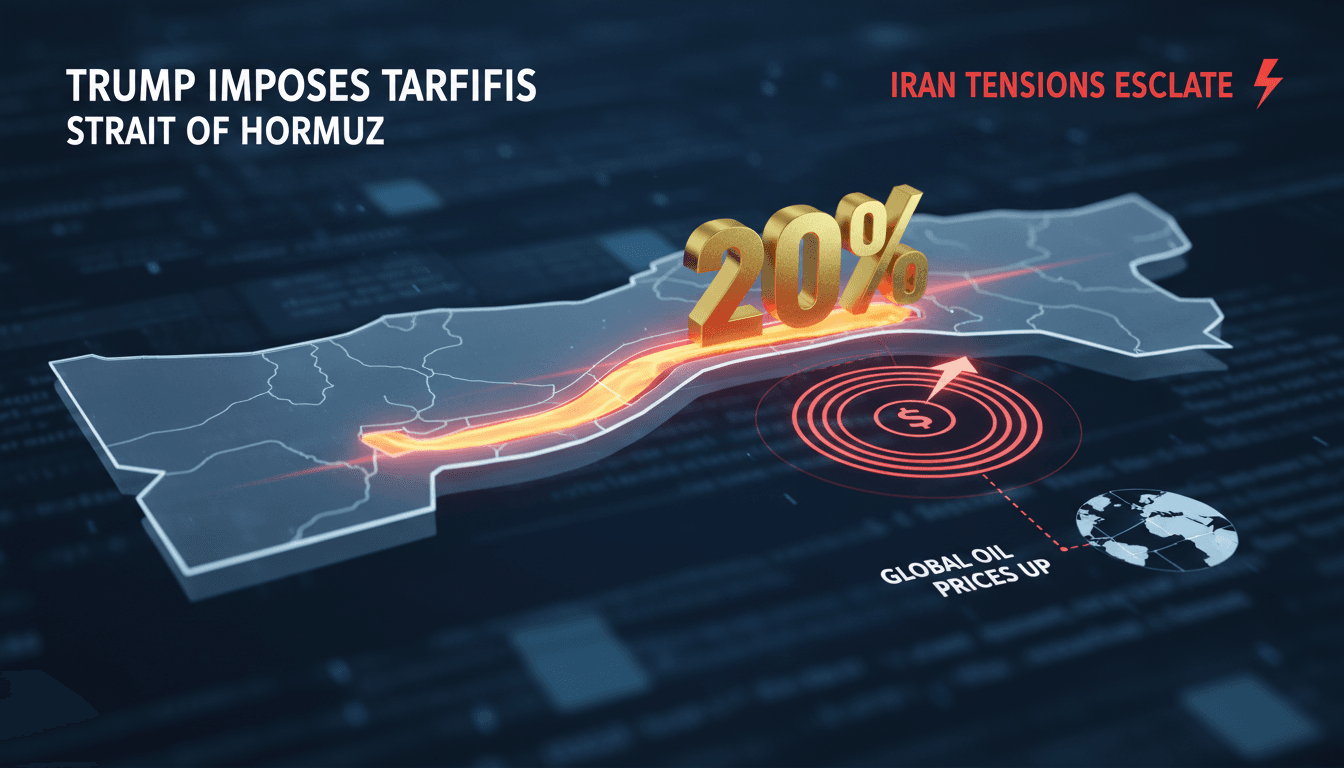
Here's what it means for you.
The recent announcement by President Trump to impose a 20% tariff on goods passing through the Strait of Hormuz signals a significant shift in U.S. foreign policy towards Iran. This move is likely to escalate tensions in a region critical for global oil shipments, potentially impacting oil prices and maritime security. Businesses and markets should prepare for increased volatility as the U.S. reinforces its military presence and economic measures in the area. The implications of these tariffs extend beyond immediate economic concerns, as they may provoke retaliatory actions from Iran, further complicating diplomatic relations. Stakeholders in the oil and shipping industries should closely monitor developments, as disruptions in this vital passage could have far-reaching consequences.
What happened
President Donald Trump has announced a 20% tariff on goods transported through the Strait of Hormuz, asserting U.S. military control over the region. This decision comes amid escalating tensions between the U.S. and Iran, characterized by military actions and threats against Iranian shipping. Trump acknowledged that these tariffs may violate international law but emphasized the need for U.S. dominance in the strategically vital strait.
The announcement was made on July 13, 2026, coinciding with reports of explosions in Iran and attacks on oil tankers in the strait. The U.S. military has also issued warnings to ships regarding illegal crossings, further heightening the stakes in this critical maritime corridor.
The Context
The Strait of Hormuz is a crucial passage for global oil shipments, with a significant percentage of the world's oil supply passing through it. Tensions between the U.S. and Iran have been escalating, particularly as the Trump administration adopts a hardline stance against Iran's nuclear ambitions. The imposition of tariffs reflects a broader strategy to exert economic pressure on Iran while reinforcing military presence in the region.
As military actions and threats continue to unfold, the situation remains precarious. The Iranian Revolutionary Guard has reported attacks on oil tankers, indicating a volatile environment that could disrupt maritime security and global oil markets. The timing of these developments is critical, as they coincide with ongoing geopolitical tensions.
Takeaway
The situation in the Strait of Hormuz is likely to remain tense as the U.S. continues its military and economic pressure on Iran. Observers should watch for potential Iranian responses to U.S. military actions, which could escalate confrontations in the region. Additionally, the impact of these tariffs on global oil prices and shipping routes will be significant, as businesses navigate the complexities of this evolving landscape.
As the U.S. reinforces its stance, the likelihood of further confrontations increases, raising concerns about the stability of global oil supply chains. Stakeholders must remain vigilant and prepared for the potential ramifications of these developments.
Pan-Arab news coverage spanning politics, business, sports, and regional affairs.
"Asharq Al-Awsat reflects a broad Arab editorial perspective with strong attention to regional geopolitics."
— A47 Editor
ماذا نعرف عن رسوم ترمب في مضيق هرمز؟
Donald Trump has announced a 20% tariff on goods transported through the Strait of Hormuz, despite his administration's stance that such tariffs violate international law. This decision raises concerns about the implications for global trade and mari...
Arabic-language coverage of political affairs and current events.
"Okaz political coverage typically follows mainstream Saudi framing on national and regional affairs."
— A47 Editor
انفجارات في العمق الإيراني.. وترمب: القوات الأمريكية تفرض سيطرتها على هرمز
U.S. President Donald Trump has intensified his rhetoric against Iran, asserting that the United States will not allow Tehran to acquire nuclear weapons and claiming that U.S. forces are asserting control over the Strait of Hormuz. This comes amid re...
Arabic-language coverage of political affairs and current events.
"Okaz political coverage typically follows mainstream Saudi framing on national and regional affairs."
— A47 Editor
ترمب: أعدنا الحصار على إيران.. وأرجح مقتل مجتبى
U.S. President Donald Trump announced the re-imposition of sanctions on Iran, stating that the Strait of Hormuz remains open regardless of Iran's approval. He specified that the sanctions target Iranian vessels and those of its allies, while allowing...