
Taiwan considers stricter AI chip export controls to China
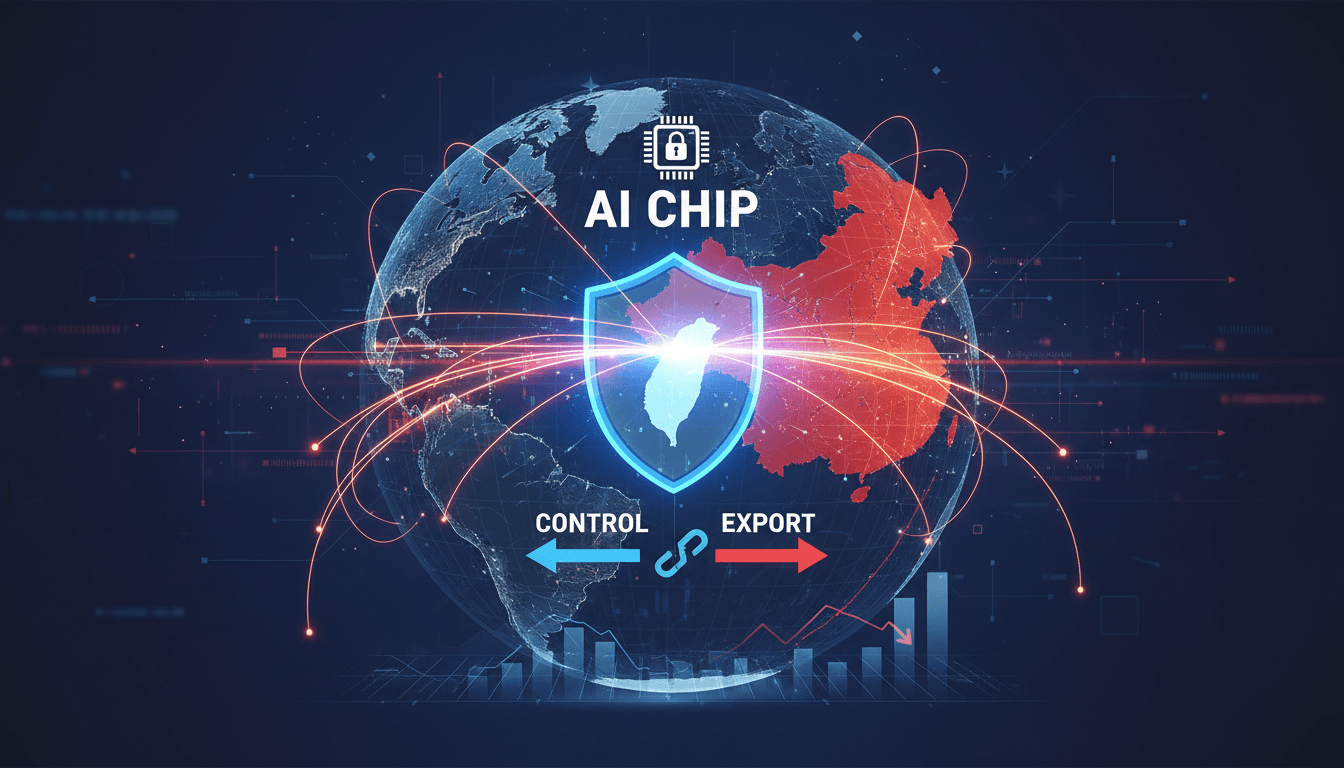
Here's what it means for you.
Taiwan's potential implementation of stricter AI chip export controls to China signals a significant shift in the region's tech landscape. This move aligns Taiwan more closely with U.S. export policies, reflecting heightened geopolitical tensions. Companies operating in the semiconductor industry should prepare for potential disruptions in trade relations and market dynamics. The implications of these restrictions could extend beyond immediate economic impacts, influencing international relations and security considerations in the Asia-Pacific region. Stakeholders must remain vigilant as developments unfold.
What happened
Taiwan is currently contemplating tougher restrictions on AI chip exports to China, which could affect all Chinese customers rather than just those on a blacklist. This initiative is part of Taiwan's broader strategy to align its export controls with those of the United States. The proposed measures aim to curb the smuggling of advanced technology into China, addressing growing security concerns.
As discussions progress, the implications of these restrictions are becoming increasingly significant. Reports indicate that Taiwan's current regulations primarily target specific companies, such as Huawei, but the new measures could broaden the scope considerably.
The Context
The proposed export controls are a response to rising geopolitical tensions between the U.S. and China, with Taiwan seeking to reinforce its position in the tech industry. By aligning its policies with U.S. measures, Taiwan aims to prevent the unauthorized transfer of high-tech hardware to China, which has been a growing concern.
The year 2026 marks a pivotal moment for Taiwan's export policy, reflecting a proactive approach to national security and international relations. As Taiwan navigates these complexities, the tech industry is poised for significant changes that could reshape market dynamics.
Takeaway
As Taiwan moves forward with its considerations regarding AI chip export controls, the tech industry will be closely monitoring the potential impacts on trade relations. Reactions from Chinese authorities will be crucial in determining the next steps and the broader geopolitical landscape.
Further developments in U.S.-Taiwan relations concerning technology exports will also be essential to watch, as they could influence the effectiveness and enforcement of these proposed restrictions.
Latest Bahasa Malaysia headlines across national affairs, politics, business, and public developments.
"Astro Awani offers a broad latest-news feed useful for detecting fast-moving Malaysian institutional stories."
— A47 Editor
Taiwan pertimbang larangan eksport cip AI ke China
Taiwan is considering a ban on the export of AI chips to China, aiming to curb the smuggling of high-tech hardware into the Chinese market, which previously was not deemed illegal under Taiwanese law.
Technology business and AI-related headlines.
"Data-driven tech newsroom with global scope."
— A47 Editor
Taiwan Eyes China AI Chip Sales Curbs; OpenAI Files for IPO | Bloomberg Tech 6/09/2026
Taiwan is considering implementing stringent restrictions on AI chip sales to China, aligning its policies with U.S. measures to combat semiconductor smuggling. This marks one of Taiwan's most significant moves in regulating its technology exports to...
Technology business news, market impacts, and innovation trends.
"Bloomberg is a premier financial and tech news provider, respected for its in-depth reporting and analytical rigor."
— A47 Editor
Taiwan Eyes China AI Chip Sales Curbs; OpenAI Files for IPO | Bloomberg Tech 6/09/2026
Taiwan is considering implementing stringent restrictions on AI chip sales to China, aligning its policies with U.S. measures to combat semiconductor smuggling. This marks one of Taiwan's most significant moves in regulating its technology exports to...
Curated tech headlines including AI stories.
"Influential aggregator surfacing the day’s top tech/AI links."
— A47 Editor
Sources: Taiwan considers restricting AI chip sales to all Chinese customers, rather than only blacklisted entities like Huawei, to align with US measures (Bloomberg)
Taiwan is considering implementing stricter export controls on AI chip sales to all Chinese customers, moving beyond current restrictions that target only specific entities like Huawei. This decision aims to align Taiwan's policies with U.S. measures...