
Iran threatens full-scale military response to US airstrikes
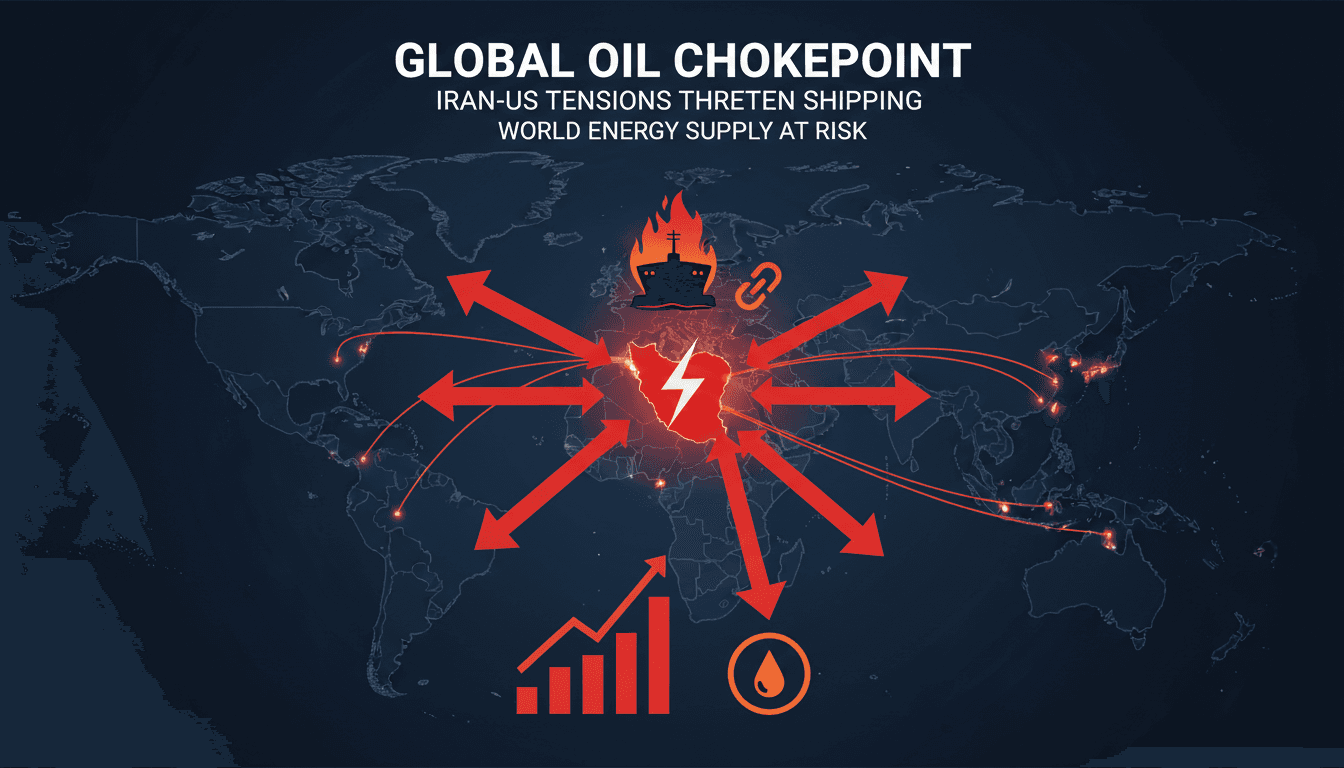
Here's what it means for you.
The escalating tensions between the US and Iran could have significant implications for regional stability and international shipping routes, particularly in the strategically vital Strait of Hormuz. As Iran shifts to a more aggressive military posture, businesses and policymakers must prepare for potential disruptions in oil supply and increased geopolitical risks. The situation underscores the importance of monitoring military developments and diplomatic efforts to mitigate further escalation.
What happened
Iran has issued a stark warning of a full-scale military offensive in response to ongoing US airstrikes. This escalation follows seven consecutive nights of US strikes aimed at degrading Iran's military capabilities and safeguarding commercial shipping in the Strait of Hormuz. Major-General Mohsen Rezaei emphasized that Iran would no longer limit its retaliation to proportional responses, indicating a readiness to expand its military actions beyond established borders.
The US airstrikes began targeting Iranian infrastructure on July 17, 2026, marking a significant intensification of hostilities. In response, Iran threatened a full-scale offensive on July 18, 2026, if the strikes continued. The situation remains volatile as both nations engage in military actions, raising concerns about the potential for broader conflict.
The Context
The conflict between the US and Iran has reached a critical juncture, with Iran's military leadership signaling a shift from restrained retaliation to a more aggressive stance. The US has conducted airstrikes aimed at the Islamic Revolutionary Guard Corps, which plays a crucial role in Iran's military operations. The Strait of Hormuz, a vital chokepoint for global oil supply, heightens the stakes of this ongoing confrontation.
As tensions rise, the implications for regional stability become increasingly pronounced. The potential for a wider conflict looms, impacting not only the involved nations but also global markets and shipping routes. Stakeholders must remain vigilant as the situation evolves, with diplomatic efforts becoming essential to prevent further deterioration.
Takeaway
As both the US and Iran prepare for potential escalation, the situation remains precarious. Observers should monitor developments in US military strategy in the region and Iran's responses to any further strikes. The ongoing conflict could have far-reaching consequences, particularly for international shipping and oil supply.
Diplomatic efforts may be necessary to de-escalate tensions and prevent a broader regional conflict. The stakes are high, and the international community will be watching closely as events unfold.
Capitol Hill news, legislation, and policy insight.
"The Hill specializes in U.S. politics and policy, with a focus on Capitol Hill developments and a reputation for insider reporting."
— A47 Editor
Iran threatens wider war if US strikes persist: 'No political border' will be safe
A senior Iranian adviser, Major-General Mohsen Rezaei, has issued a warning that Iran may expand its military operations across the Middle East if U.S. airstrikes continue, stating that no political border will be safe from retaliation. This statemen...
Regional coverage and analysis focused on politics, diplomacy, and business across the Middle East.
"Al-Monitor is known for analytical reporting on Middle East politics and policy developments."
— A47 Editor
US-Iran fighting escalates with infrastructure targeted
Iran has escalated military tensions in the Gulf by targeting infrastructure in response to a week of consecutive U.S. airstrikes aimed at degrading its military capabilities. Iranian officials have threatened a 'full-scale offensive' if U.S. strikes...
Regional coverage and analysis focused on politics, diplomacy, and business across the Middle East.
"Al-Monitor is known for analytical reporting on Middle East politics and policy developments."
— A47 Editor
US-Iran strikes: latest developments
Hostilities in the Middle East escalated as the United States conducted airstrikes targeting Iranian military capabilities near the Strait of Hormuz, following attacks by the Islamic Revolutionary Guard Corps on American personnel in Jordan. CENTCOM ...
Global news coverage with extensive reporting on Middle Eastern conflicts and geopolitics.
"Al Jazeera is a Qatar-based broadcaster known for wide regional coverage and alternative perspectives."
— A47 Editor
Iranian official says the policy of negotiating during war is over
Mohsen Rezaee, an Iranian official, has declared that the era of negotiating during wartime has concluded, warning that continued U.S. airstrikes could escalate into a full-scale war. This statement comes amid ongoing military conflict marked by a se...
Comprehensive coverage of Middle Eastern and global issues.
"Al Jazeera is a prominent voice from the Global South, especially the Middle East, with an emphasis on underreported stories."
— A47 Editor
Iranian official says the policy of negotiating during war is over
Mohsen Rezaee, an Iranian official, has declared that the era of negotiating during wartime has concluded, warning that continued U.S. airstrikes could escalate into a full-scale war. This statement comes amid ongoing military conflict marked by a se...