
UN Warns of Long-Term Disruption to Humanitarian Supply Chains Due to Middle East Conflict
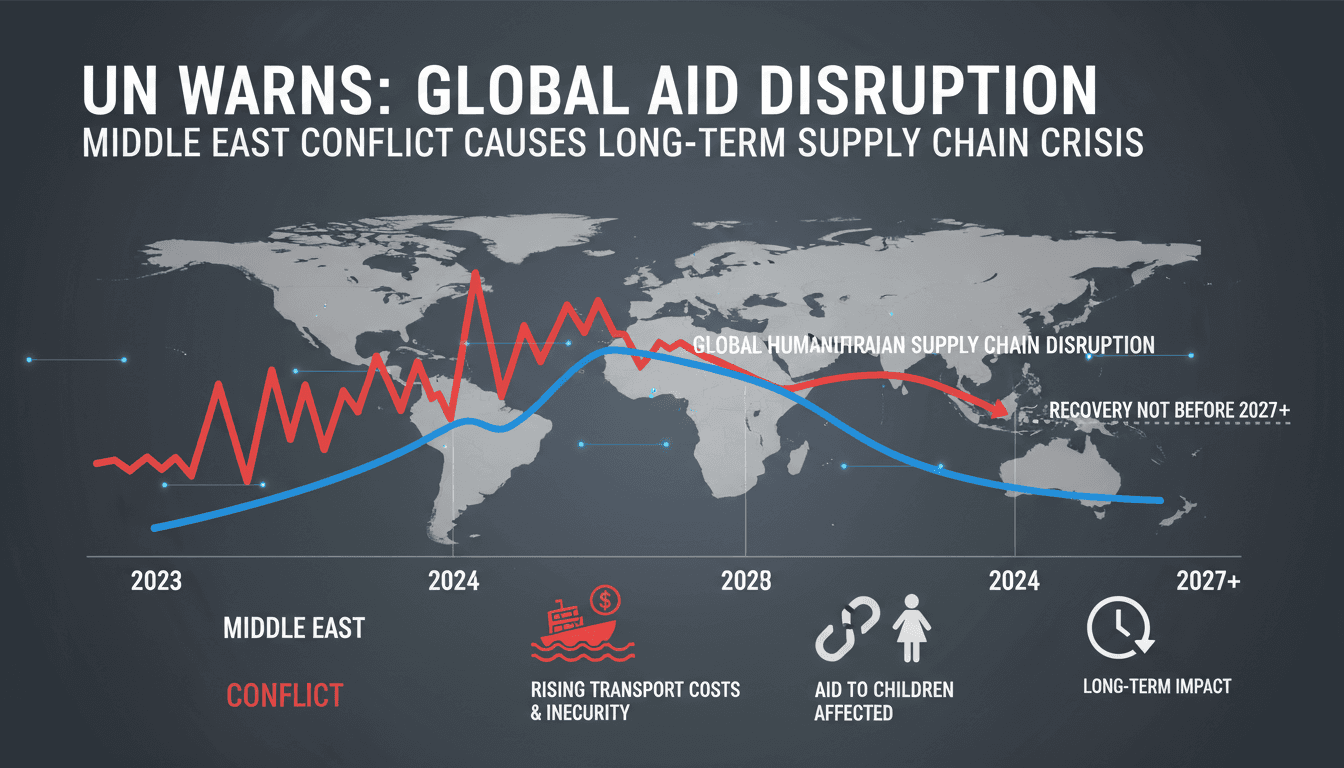
Here's what it means for you.
The ongoing conflict in the Middle East poses a significant threat to global humanitarian efforts, particularly affecting vulnerable populations such as children. With the United Nations projecting recovery of disrupted supply chains not expected before 2027, the urgency for resolution is paramount. Rising transport costs and insecurity in shipping routes complicate the delivery of lifesaving aid, highlighting the fragility of global logistics. This situation calls for immediate attention from policymakers and humanitarian organizations to ensure that essential aid reaches those in need. The implications for international relations and humanitarian strategies are profound, as the crisis continues to escalate.
What happened
The United Nations has reported severe disruptions to global humanitarian supply chains due to the ongoing conflict in the Middle East. This situation has significantly impacted the timelines for delivering aid, particularly lifesaving supplies for children. The conflict, which began following US-Israeli attacks on Iran on February 28, has led to increased congestion at ports, hampering aid deliveries.
UNICEF is increasingly relying on air freight to navigate shipping delays and heightened costs, further complicating logistics. The UN has indicated that recovery of these supply chains will not occur before 2027, emphasizing the long-term nature of this crisis.
The Context
The conflict in the Middle East has created a complex environment for humanitarian aid, with rising fuel prices and insurance premiums complicating logistics. Nearly 100 days have passed since the conflict began, and the situation continues to deteriorate. The UN's warnings underscore the urgent need for a resolution to the conflict to prevent further escalation of the humanitarian crisis.
Stakeholders, including international organizations and governments, are closely monitoring the situation as it unfolds. The implications of this conflict extend beyond immediate humanitarian needs, affecting global supply chains and international relations.
Takeaway
The ongoing crisis highlights the fragility of global supply chains and the urgent need for resolution to ensure aid reaches those in need. As the situation develops, it is crucial to monitor the impact of the Middle East conflict on global logistics and potential international responses aimed at stabilizing shipping routes. Without a resolution, the humanitarian crisis is likely to worsen, complicating efforts to deliver essential aid to vulnerable populations.
The international community must remain vigilant and proactive in addressing these challenges to mitigate the long-term effects of the conflict on humanitarian efforts.
Arabic-language political and world news coverage for UAE readers.
"Emarat Al Youm world coverage usually presents international developments through a UAE and Arab audience lens."
— A47 Editor
الأمم المتحدة: أضرار جسيمة تلحق بسلاسل الإمداد الإنسانية بسبب حرب الشرق الأوسط الأمم المتحدة: أضرار جسيمة تلحق بسلاسل الإمداد الإنسانية بسبب حرب الشرق الأوسط
The United Nations warned on Tuesday that global humanitarian supply chains have been severely disrupted due to the ongoing war in the Middle East, indicating a significant impact on aid delivery and support.
Regional coverage and analysis focused on politics, diplomacy, and business across the Middle East.
"Al-Monitor is known for analytical reporting on Middle East politics and policy developments."
— A47 Editor
Middle East war hammering aid supply chains: UN
The United Nations has reported that the ongoing conflict in the Middle East, particularly following the US-Israeli attacks on Iran, has severely disrupted global humanitarian supply chains, with recovery not expected before 2027. This situation has ...
Regional coverage and analysis focused on politics, diplomacy, and business across the Middle East.
"Al-Monitor is known for analytical reporting on Middle East politics and policy developments."
— A47 Editor
Iran war disruption threatening delivery of lifesaving supplies for children, UN says
The United Nations has warned that ongoing disruptions caused by the Iran war are severely threatening the delivery of lifesaving supplies for children, with UNICEF increasingly relying on air freight due to heightened insecurity and rising transport...