
China blacklists 20 Japanese entities amid escalating trade tensions
Here's what it means for you.
The recent decision by China to blacklist 20 Japanese entities signals a significant escalation in trade tensions between the two nations. This move restricts access to dual-use products, which could have broader implications for international trade and technology exchanges. Businesses and policymakers should closely monitor these developments, as they may lead to further retaliatory measures that could disrupt supply chains. The implications extend beyond just the immediate stakeholders, affecting global markets and international relations. Companies engaged in trade with Japan may need to reassess their strategies in light of these new restrictions.
What happened
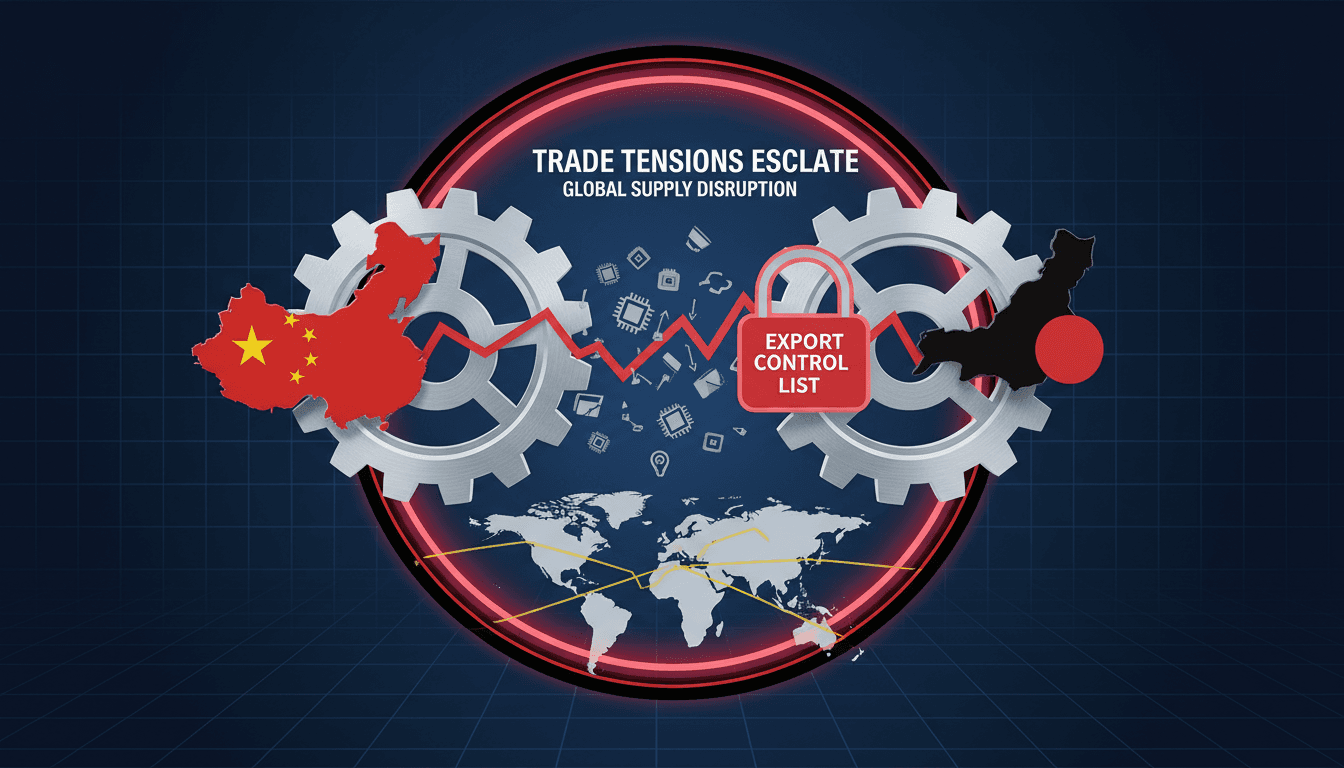
China has officially added 20 Japanese entities to its export control list, which prohibits Chinese firms from selling dual-use products to these companies. This announcement was made by China's commerce ministry and reflects the ongoing tensions between China and Japan regarding trade and technology. The inclusion of these entities highlights the scale of the restrictions being imposed.
The dual-use items targeted by these export controls can serve both civilian and military purposes, indicating the seriousness of the geopolitical landscape. This action is part of a broader trend of increasing regulatory measures in international trade, particularly between major economies.
The Context
The addition of these 20 Japanese entities to China's export control list comes amid escalating trade tensions between the two countries. The ongoing disputes primarily revolve around technology and trade practices, which have strained relations in recent years. As both nations navigate these challenges, the implications of such restrictions could ripple through international markets.
This move is significant not only for the affected companies but also for the broader economic relationship between China and Japan. The timing of this announcement suggests a calculated response from China, aiming to exert pressure on Japan amid rising geopolitical tensions.
Takeaway
As trade relations between China and Japan continue to deteriorate, further restrictions and retaliatory measures may be anticipated. Stakeholders should watch for potential responses from Japan regarding these export controls, as well as any developments in the broader context of China-Japan trade relations. The situation remains fluid, and the implications for global supply chains and international markets could be profound.
Future developments will be crucial in determining how both nations navigate this complex landscape, and businesses should prepare for potential disruptions.
Editor-curated FT homepage stories spanning markets, business, world, and opinion.
"The Financial Times is a globally respected business publication with a centrist/center-left tone and strong markets focus."
— A47 Editor
China targets more Japanese companies with export controls
China has intensified its export controls by adding more Japanese companies to its list of entities restricted from receiving dual-use items, which have both civilian and military applications. This move is part of a broader strategy to regulate expo...
Technology business and AI-related headlines.
"Data-driven tech newsroom with global scope."
— A47 Editor
China Blacklists More Japan Entities Amid Feud | The China Show 6/29/2026
China has expanded its blacklist to include additional Japanese entities amid ongoing tensions between the two nations, as reported on June 29, 2026, by Bloomberg's The China Show. This move reflects the deteriorating relationship and ongoing dispute...
Technology business news, market impacts, and innovation trends.
"Bloomberg is a premier financial and tech news provider, respected for its in-depth reporting and analytical rigor."
— A47 Editor
China Blacklists More Japan Entities Amid Feud | The China Show 6/29/2026
China has expanded its blacklist to include additional Japanese entities amid ongoing tensions between the two nations, as reported on June 29, 2026, by Bloomberg's The China Show. This move reflects the deteriorating relationship and ongoing dispute...
Global political, business, and cultural coverage from WSJ international desks.
"The Wall Street Journal offers extensive international reporting with a reputation for financial insight and a center-right editorial stance."
— A47 Editor
China Adds More Japanese Entities to Export Control List
The Chinese commerce ministry has added 20 Japanese entities to its export control list, which prohibits Chinese firms from selling dual-use products to these companies. This move reflects ongoing tensions between China and Japan amid a broader conte...