
Maritime traffic through the Strait of Hormuz declines amid safety concerns following vessel attacks
Here's what it means for you.
The decline in maritime traffic through the Strait of Hormuz signals heightened risks for global shipping and energy supplies. As vessels increasingly avoid this critical route, companies may need to reassess their logistics and risk management strategies. The ongoing conflict and safety concerns could lead to longer shipping times and increased costs, impacting market dynamics. This situation underscores the importance of geopolitical stability in maintaining efficient trade routes. Stakeholders in the shipping industry must remain vigilant as they navigate these evolving challenges.
What happened
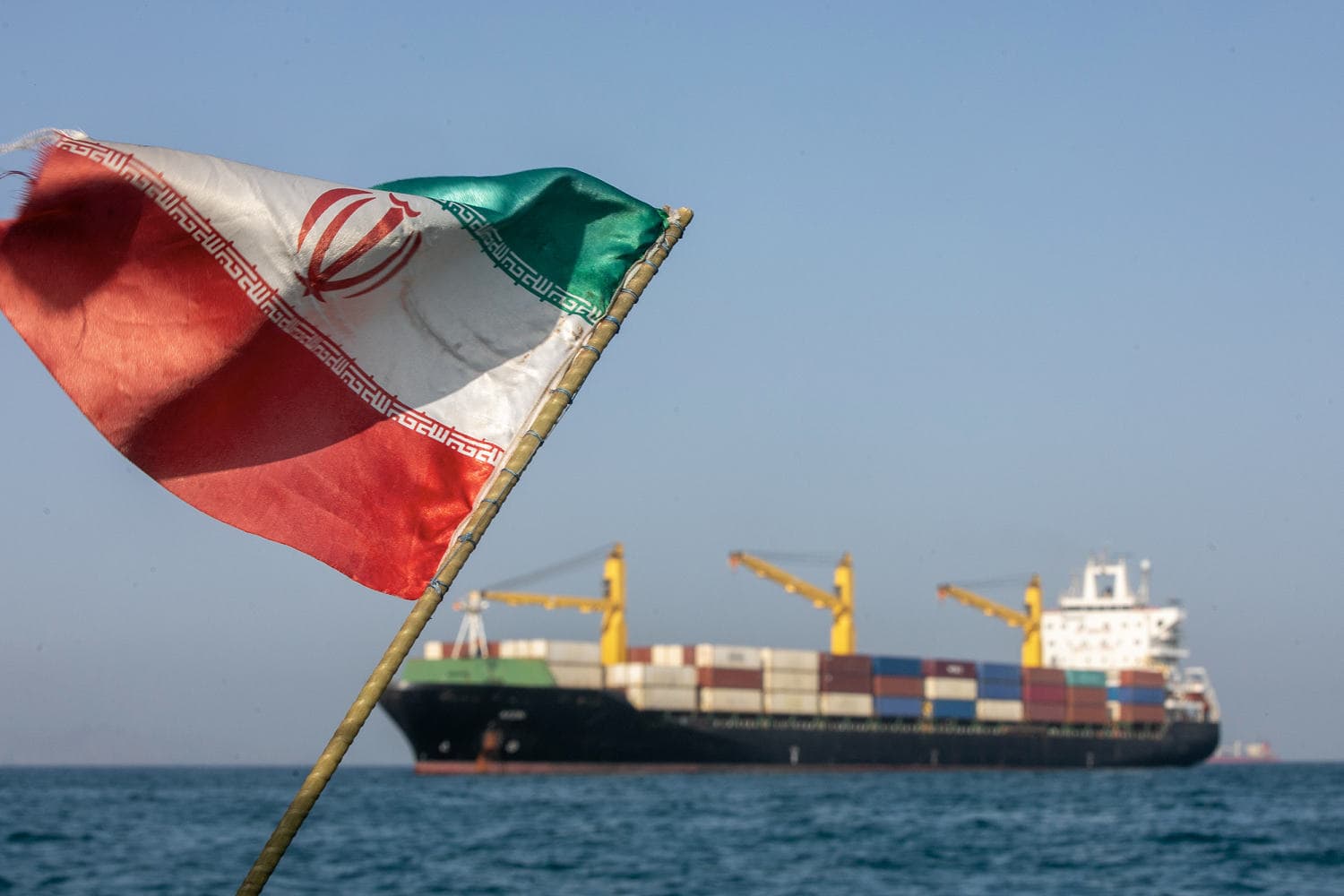
Recent attacks on vessels in the Strait of Hormuz have led to a significant decrease in maritime traffic. While a ship was attacked, many vessels are now opting for alternative routes, particularly along Oman's coast. The overall traffic has dropped from over 140 daily ship movements in February to approximately 30-40 currently, raising safety concerns among shipowners.
On Thursday, 42 commodity vessels crossed the Strait, indicating ongoing maritime activity despite the risks. The U.S. has responded by expanding an alternate shipping route to accommodate this shift in traffic patterns.
The Context
The Strait of Hormuz is a vital maritime route, and Iran has issued warnings for ships to adhere to its approved passageways. The recent attacks have prompted many vessels to reconsider their routes, with half of the traffic now utilizing the southern passageway along Oman's coast. This change reflects the complexities of maritime navigation amid rising tensions in the region.
The situation is further complicated by the ongoing conflict, which has led to a reevaluation of global shipping routes. As safety concerns mount, shipowners are actively reviewing their exit plans and operational strategies.
Takeaway
The situation in the Strait of Hormuz remains precarious, with potential implications for global trade and energy supplies. As tensions persist, shipping patterns may continue to evolve, prompting companies to reassess their risk exposure. Monitoring further incidents of maritime attacks will be crucial for stakeholders in the shipping industry.
The dynamics of maritime traffic through the Strait are likely to remain fluid, necessitating ongoing vigilance from all parties involved.
Corporate leadership, finance, technology, and market trends.
"Fortune covers financial trends, leadership, and innovation with a pragmatic editorial approach."
— A47 Editor
Forget the ceasefire — The U.S. and Iran are still locked in combat over the Strait of Hormuz as Tehran tries to shut down a competing route
The U.S. and Iran remain in conflict over the Strait of Hormuz, with the U.S. expanding an alternate shipping route along Oman's coast to facilitate maritime traffic amidst ongoing tensions. This comes as Iran attempts to disrupt shipping routes, rai...
Global markets, investing, and macroeconomics from a premier financial newsroom.
"Bloomberg is respected for in-depth financial reporting and data-driven analysis."
— A47 Editor
Schrödinger's Strait of Hormuz: Open or Closed?
Recent incidents in the Strait of Hormuz, including a ship being struck, have led to a significant reduction in maritime traffic, with daily movements dropping from over 140 in February to approximately 30-40 currently. Despite these safety concerns,...
Regional coverage and analysis focused on politics, diplomacy, and business across the Middle East.
"Al-Monitor is known for analytical reporting on Middle East politics and policy developments."
— A47 Editor
Ships crossing Hormuz use Oman passage despite Iran warnings
Despite warnings from Iran, maritime traffic in the Strait of Hormuz continues, with 42 vessels reported crossing on Thursday, down from 57 the previous day. Notably, half of these ships opted for a southern passage near Oman, indicating a preference...
Regional coverage and analysis focused on politics, diplomacy, and business across the Middle East.
"Al-Monitor is known for analytical reporting on Middle East politics and policy developments."
— A47 Editor
Ships crossing Hormuz use Oman passage despite Iran warnings
Despite warnings from Iran, vessels continue to navigate through a non-Iranian-approved passage in the Strait of Hormuz, with 42 commodity ships reported crossing on Thursday, a decrease from 57 the previous day. Half of these vessels utilized a sout...
National headlines across the United States including breaking stories and societal issues.
"NBC News is a mainstream media outlet known for comprehensive national and international news coverage with a centrist to slightly left-leaning editorial tone."
— A47 Editor
Hormuz traffic flows despite ship attack as Iran fights to keep its grip on key trade route
Marine traffic through the Strait of Hormuz continued on Friday, despite an attack on a ship the previous day, as Iran reiterated its warnings for vessels to adhere to a Tehran-approved route. This incident highlights the ongoing tensions in this cru...
Comprehensive coverage of global events, politics, and international issues.
"NBC News is a mainstream outlet known for comprehensive national and international coverage with a centrist to slightly left-leaning editorial tone."
— A47 Editor
Hormuz traffic flows despite ship attack as Trump accuses Iran of ‘foolish’ ceasefire breach
Marine traffic through the Strait of Hormuz continues despite a recent attack on a cargo ship, which occurred shortly after Iran reiterated its warnings for vessels to adhere to Tehran-approved routes. This incident has raised tensions in the region,...
Global markets, investing, and macroeconomics from a premier financial newsroom.
"Bloomberg is respected for in-depth financial reporting and data-driven analysis."
— A47 Editor
Traffic Flows Through Hormuz Despite Shock Container Ship Attack
A container vessel was attacked while navigating the Strait of Hormuz, leading some shipowners to reconsider their exit strategies; however, maritime traffic continued to flow in both directions through this critical waterway.