
King Salman appoints nine judges to Saudi Supreme Court
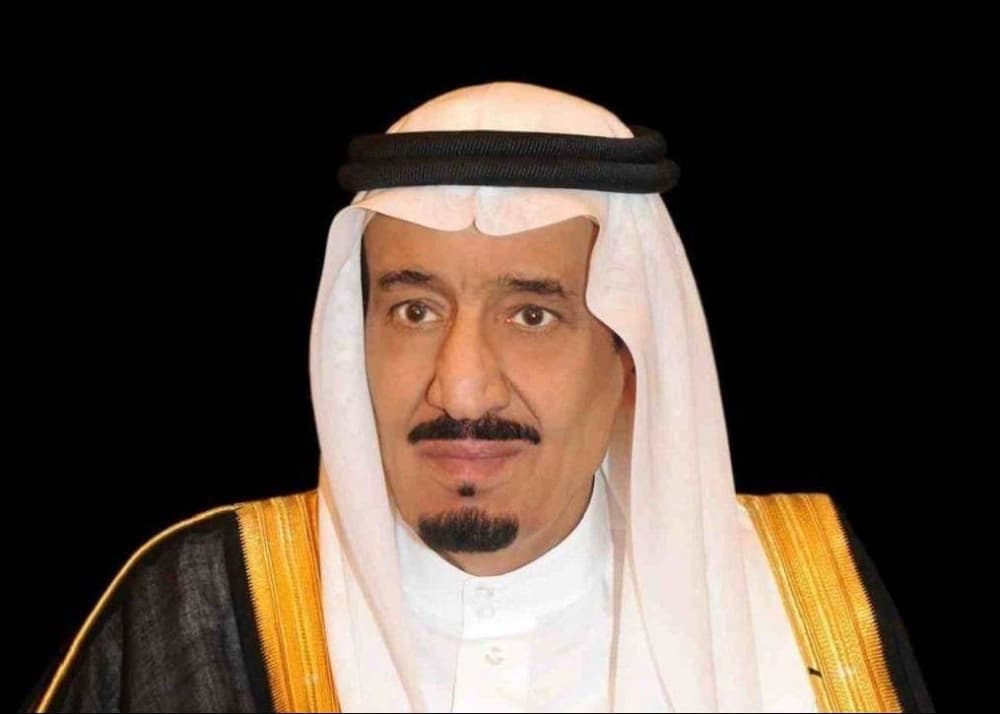
Here's what it means for you.
The recent appointment of nine judges to the Saudi Supreme Court signifies a pivotal step in enhancing the country's judicial framework. This move is expected to improve the efficiency and quality of legal rulings, which could have far-reaching implications for both citizens and businesses. As the judicial system evolves, stakeholders may anticipate a more robust legal environment that fosters timely justice and accountability. The appointments reflect the government's commitment to reforming the judiciary, which is crucial for maintaining public trust and ensuring fair legal processes. This initiative may also pave the way for future reforms aimed at further strengthening the legal landscape in Saudi Arabia.
What happened
King Salman of Saudi Arabia has issued a royal decree appointing nine judges to the Supreme Court. This significant decision was made on June 10, 2026, and aims to enhance the efficiency and quality of the judicial system in the country. Among the appointed judges are Abdullah bin Abdulrahman Al-Tuwaijri and Ibrahim bin Abdulrahman Al-Humaidi, both of whom hold the position of Chief Justice of Appeal.
The decree underscores the government's ongoing efforts to improve the judiciary, reflecting a commitment to uphold justice and operational effectiveness. The Minister of Justice has expressed gratitude for the support of the judiciary, emphasizing the importance of qualified personnel in achieving justice.
The Context
This appointment comes at a critical juncture for Saudi Arabia, where the judicial system is undergoing significant scrutiny and reform. The government's focus on enhancing the judiciary aligns with broader national objectives aimed at improving governance and public service delivery. By appointing experienced judges, the administration seeks to bolster the legal framework and ensure that it meets the highest standards.
The timing of this decree is particularly relevant as the country navigates various social and economic challenges. Strengthening the judiciary is essential for fostering an environment conducive to investment and growth, which is vital for the nation's long-term stability and prosperity.
Takeaway
The appointment of these nine judges is expected to strengthen the judicial framework and enhance the quality of legal rulings in Saudi Arabia. As the judicial system evolves, stakeholders should watch for potential reforms that may arise from these appointments. The impact of these changes on the efficiency of legal proceedings will be crucial in determining the effectiveness of the judiciary moving forward.
Future developments may include further enhancements to legal processes, which could lead to a more responsive and accountable judicial system. The government's commitment to improving the judiciary suggests a proactive approach to addressing legal challenges and ensuring timely justice for all citizens.
Arabic-language reporting focused on Saudi domestic affairs and current events.
"Al Watan is a mainstream Saudi newspaper with strong domestic coverage and a broad general-news profile."
— A47 Editor
أمر ملكي بتسمية 9 قضاة أعضاء في المحكمة العليا
King Salman bin Abdulaziz Al Saud issued a royal decree appointing nine judges, all currently serving as heads of appellate courts, as members of the Supreme Court. This decision reflects the commitment to enhance the efficiency of the judiciary and ...
Pan-Arab news coverage spanning politics, business, sports, and regional affairs.
"Asharq Al-Awsat reflects a broad Arab editorial perspective with strong attention to regional geopolitics."
— A47 Editor
السعودية: أمر ملكي بتسمية 9 قضاة أعضاءً في المحكمة العليا
King Salman bin Abdulaziz of Saudi Arabia has issued a royal decree appointing nine judges, currently serving as heads of appellate courts, as members of the Supreme Court. This decision reflects the ongoing efforts to strengthen the judicial system ...
Arabic-language reporting focused on domestic developments in Saudi Arabia.
"Okaz is a mainstream Saudi newspaper that often reflects domestic priorities and official-facing coverage."
— A47 Editor
خادم الحرمين الشريفين يصدر أمراً ملكياً بتسمية 9 قضاة أعضاءً في المحكمة العليا
King Salman bin Abdulaziz Al Saud issued a royal decree appointing nine judges, currently serving as heads of appellate courts, as members of the Supreme Court. This decision reflects the commitment to enhance the efficiency of the judicial authority...