
NTSB Suspends Access to Accident Database Over AI Voice Recreation Controversy
Here's what it means for you.
The National Transportation Safety Board (NTSB) has taken a significant step by suspending access to its civil transportation accident database. This decision reflects growing concerns about the ethical implications of using artificial intelligence to recreate the voices of deceased individuals, particularly in sensitive contexts like aviation accidents. As AI technology continues to advance, the need for clear regulations governing its use in such scenarios becomes increasingly urgent. This incident may prompt a broader discussion on the ethical boundaries of AI applications, especially regarding the dignity of the deceased and the feelings of their families. Stakeholders in aviation and technology must now consider the ramifications of their innovations in light of public sentiment and ethical standards.
What happened
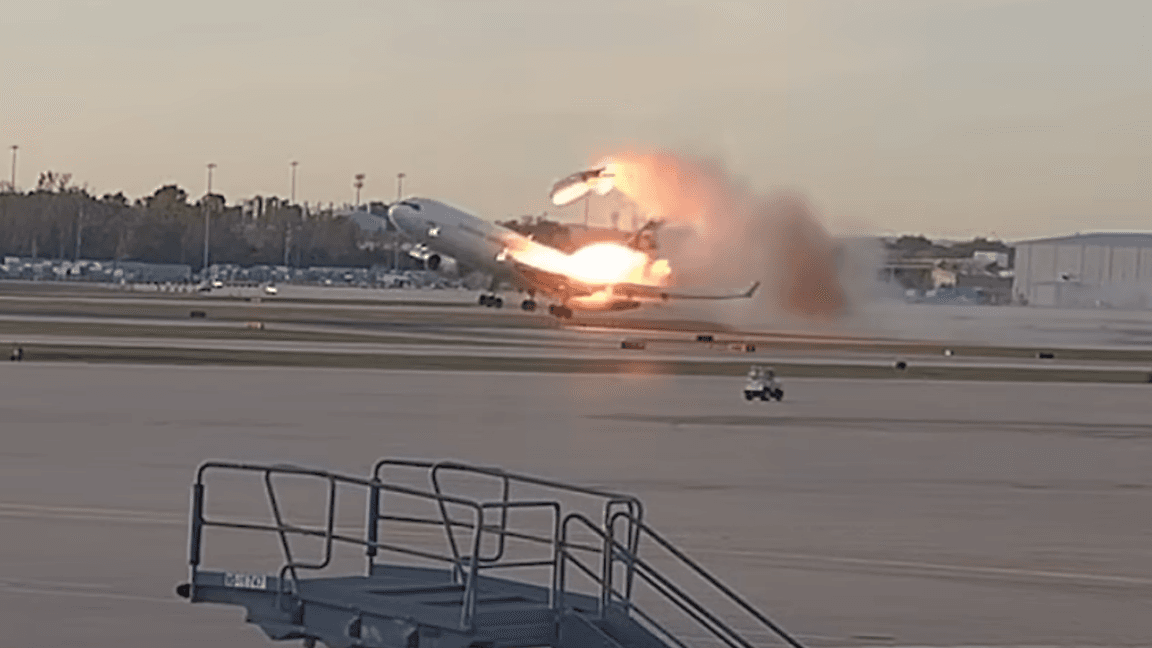
The NTSB has temporarily blocked access to its accident database following the unauthorized use of AI to recreate the voices of pilots from a 2025 UPS plane crash. This action was taken on May 22, 2026, in response to the ethical concerns surrounding the use of AI technology in sensitive contexts. Individuals exploited advanced AI capabilities to reconstruct the voices of deceased pilots from cockpit recordings, raising significant ethical questions.
The incident involved a fatal cargo plane crash that occurred in 2025, which has now become a focal point for discussions on the implications of AI in aviation. The unauthorized voice recreations have prompted the NTSB to reassess how its data can be accessed and used, particularly in light of the sensitive nature of the information contained within its database.
The Context
The NTSB's database holds critical information related to civil transportation accidents, making it a vital resource for safety investigations and improvements. However, the recent incident highlights the potential for misuse of this data, particularly with the advancements in AI technology that allow for the reconstruction of voices from audio recordings. This raises ethical dilemmas about the representation of deceased individuals in sensitive situations.
As AI technology evolves, stakeholders in both aviation and technology sectors must grapple with the implications of their innovations. The timing of this suspension coincides with increasing public discourse on the ethical use of AI, particularly in contexts that involve the deceased. The NTSB's decision underscores the need for a careful examination of how AI can be responsibly integrated into sensitive data environments.
Takeaway
The incident serves as a critical reminder of the need for regulations surrounding the use of AI in sensitive contexts to prevent misuse. As discussions unfold, we can expect potential regulatory changes regarding AI applications in aviation and other sensitive data environments. The NTSB's actions may lead to stricter guidelines that prioritize the dignity of the deceased and the emotional well-being of their families.
Moving forward, public discourse will likely focus on the ethical implications of AI recreating deceased individuals' voices. This situation may catalyze a broader examination of how technology intersects with human dignity, prompting stakeholders to establish clearer boundaries for AI usage in sensitive contexts.
Curated tech headlines including AI stories.
"Influential aggregator surfacing the day’s top tech/AI links."
— A47 Editor
The US NTSB suspends access to its database of civil transportation accidents after people re-created voices of pilots killed in a 2025 UPS plane crash using AI (Jeremy Hsu/Ars Technica)
The US National Transportation Safety Board (NTSB) has suspended access to its database of civil transportation accidents following the unauthorized recreation of the voices of pilots who died in a 2025 UPS plane crash using artificial intelligence t...
Startup news with frequent AI coverage.
"Covers launches, funding, and product updates in AI."
— A47 Editor
AI is being used to resurrect the voices of dead pilots
Recent advancements in artificial intelligence have enabled the reconstruction of deceased pilots' voices from cockpit recordings using spectrogram images, prompting the National Transportation Safety Board (NTSB) to temporarily restrict access to it...
In-depth reporting on tech, policy, and science including AI.
"Respected analysis for technically savvy readers, including AI topics."
— A47 Editor
US scrambles to stop Internet users re-creating dead pilots’ voices
The US government is taking measures to prevent Internet users from re-creating the voices of deceased pilots, a practice that circumvents existing laws prohibiting the National Transportation Safety Board (NTSB) from disclosing cockpit audio recordi...
In-depth coverage of hardware, software, science, and policy.
"Ars Technica provides expert technology news, hardware reviews, and analysis for a technically savvy audience."
— A47 Editor
US scrambles to stop Internet users re-creating dead pilots’ voices
The US government is taking measures to prevent Internet users from re-creating the voices of deceased pilots, a practice that circumvents existing laws prohibiting the National Transportation Safety Board (NTSB) from disclosing cockpit audio recordi...