
White House Denies Iranian Report of U.S.-Iran MOU as Fabrication
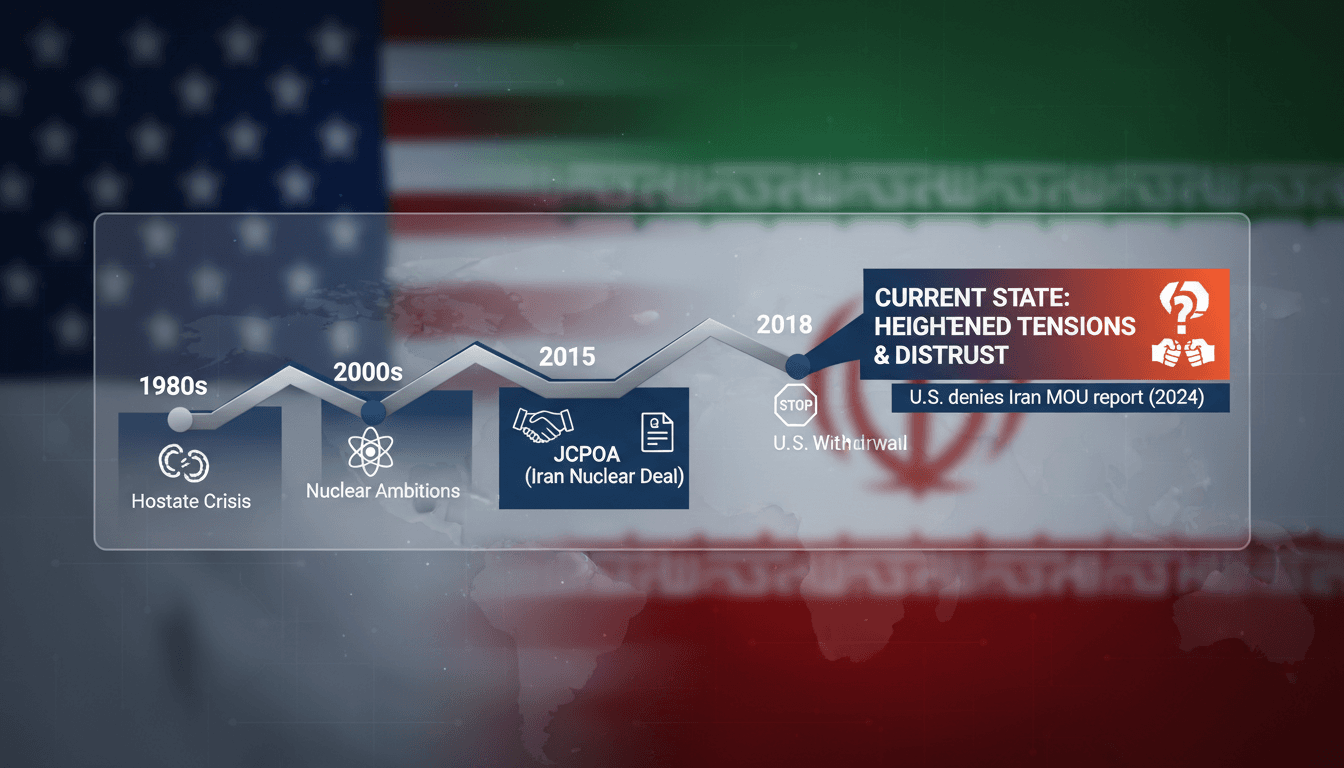
Here's what it means for you.
The White House's firm denial of the Iranian state media report underscores the persistent mistrust between the U.S. and Iran. This situation complicates any potential diplomatic negotiations, making it unlikely for relations to improve in the near future. Stakeholders in international relations should remain vigilant as developments unfold, particularly regarding military presence in the region.
What happened
The White House has categorically denied a report from Iranian state media that claimed a memorandum of understanding (MOU) between the U.S. and Iran. The report suggested a U.S. military withdrawal in exchange for the opening of the Strait of Hormuz. In response, the White House labeled the report a "complete fabrication," emphasizing the need for caution when interpreting information from Iranian sources.
This denial was disseminated through the White House's Rapid Response account, highlighting the administration's commitment to counter misinformation. The incident reflects ongoing tensions and the complexities surrounding military presence and regional stability.
The Context
The Iranian report emerged amid heightened tensions between the two nations, which have been characterized by a lack of credible agreements. The assertion that the reported MOU is a fabrication illustrates the skepticism surrounding Iranian state media. As diplomatic relations remain fraught, the likelihood of reaching a credible agreement appears low.
The complexities of U.S.-Iran relations are further compounded by the geopolitical significance of the Strait of Hormuz, a critical maritime route for global oil shipments. As both nations navigate these challenges, the potential for miscommunication and misinformation remains a significant concern.
Takeaway
Looking ahead, the rejection of the Iranian report signals that diplomatic relations between the U.S. and Iran will continue to be marked by mistrust. Future statements from U.S. officials regarding Iran will be crucial in shaping the narrative and understanding the trajectory of these relations. Observers should monitor developments in U.S.-Iran negotiations and military presence in the region closely.
As tensions persist, the need for accurate information and verification from credible sources will be paramount in navigating this complex landscape.
Regional coverage and analysis focused on politics, diplomacy, and business across the Middle East.
"Al-Monitor is known for analytical reporting on Middle East politics and policy developments."
— A47 Editor
White House says Iranian media report on memorandum of understanding is false
The White House has refuted a report from Iran's state television claiming the existence of a draft memorandum of understanding between Iran and the United States, labeling it as a complete fabrication. This statement comes amid ongoing discussions r...
Breaking news, politics, business, and entertainment from the U.S. and around the world.
"The New York Post is a tabloid-format newspaper known for its sensationalist headlines and conservative-leaning editorial tone."
— A47 Editor
White House rejects reported draft framework with Iran as ‘fabrication’
The White House has dismissed a reported draft framework for a deal with Iran, labeling it as a fabrication from Iranian state media. The White House's Rapid Response account emphasized that the claims made by Iranian sources should not be trusted, a...
Global business headlines with AI angles.
"General business outlet that frequently covers AI."
— A47 Editor
White House Rejects Iranian State TV Report About Memorandum Of Understanding: 'Complete Fabrication'
The White House has dismissed a report from Iranian state television that detailed a purported memorandum of understanding aimed at ending hostilities between the two nations, labeling it a 'complete fabrication.' This rejection underscores the ongoi...
Regional coverage and analysis focused on politics, diplomacy, and business across the Middle East.
"Al-Monitor is known for analytical reporting on Middle East politics and policy developments."
— A47 Editor
White House calls Iranian report on Hormuz, MOU 'complete fabrication'
The White House has dismissed an Iranian state television report claiming that the U.S. would withdraw military forces from Iran's borders in exchange for the reopening of the Strait of Hormuz, labeling it a 'complete fabrication.' This statement com...