
U.S. Treasury yields rise amid escalating Middle East tensions and oil price increases
Here's what it means for you.
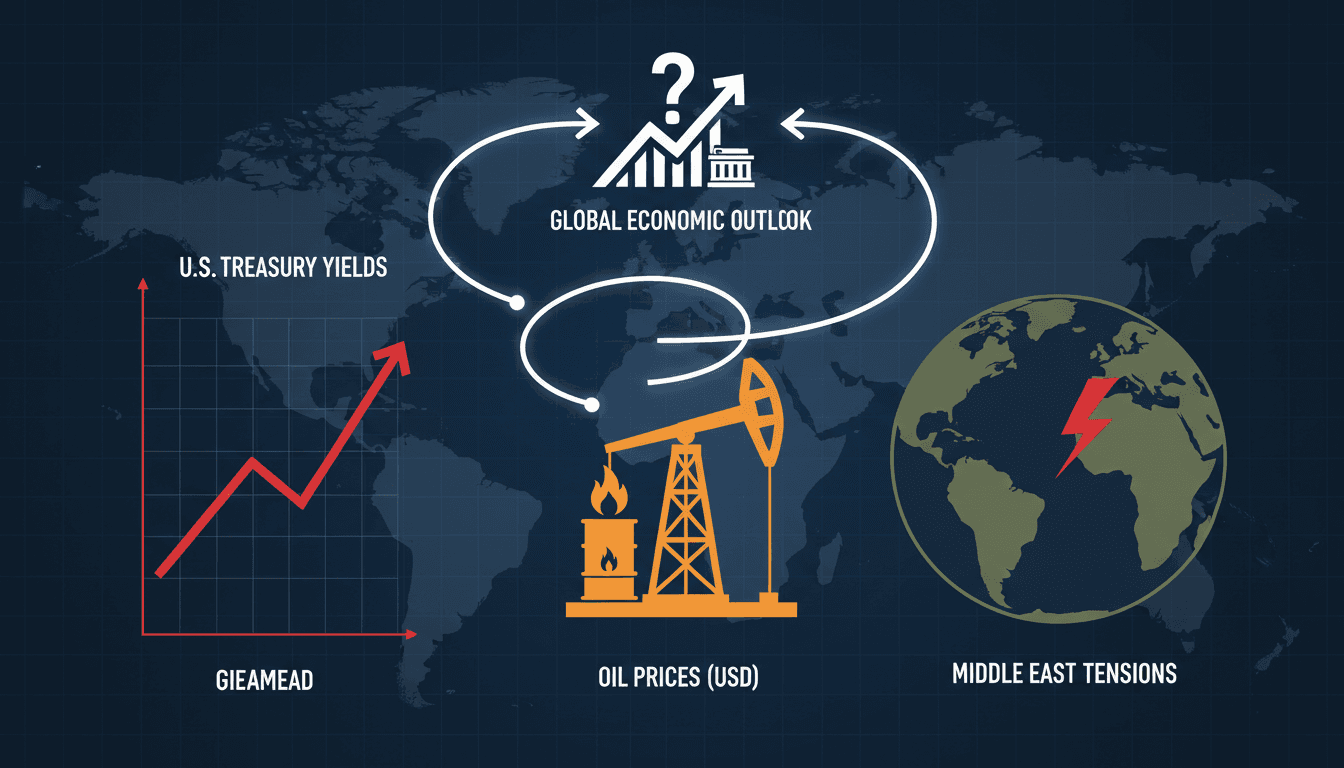
The recent rise in U.S. Treasury yields signals a shift in market sentiment influenced by geopolitical tensions in the Middle East. Investors are increasingly concerned about the implications of a fragile U.S.-Iran ceasefire and the closure of the Hormuz waterway, which is critical for oil shipping. As oil prices climb, expectations for Federal Reserve policy are also evolving, with speculation about a more hawkish approach gaining traction. This situation underscores the interconnectedness of global events and financial markets, highlighting the need for investors to stay informed about geopolitical developments. The volatility in Treasury yields may affect borrowing costs and investment strategies moving forward.
What happened
U.S. Treasury yields have risen significantly amid escalating tensions in the Middle East, particularly concerning the unstable U.S.-Iran ceasefire. The closure of the Hormuz waterway, a vital route for oil shipments, has further exacerbated the situation, leading to increased oil prices. As a result, market analysts are adjusting their expectations for Federal Reserve policy, anticipating a more aggressive stance in response to these developments.
Reports confirm that as of June 3, 2026, the rise in Treasury yields is closely linked to these geopolitical factors. The financial markets are reacting to the potential implications for oil supply and economic stability.
The Context
The U.S.-Iran ceasefire has become increasingly fragile, raising concerns about the potential for further conflict in the region. The Hormuz waterway's closure is particularly significant, as it is a critical artery for global oil transportation. Higher oil prices resulting from these tensions are influencing market expectations regarding the Federal Reserve's monetary policy.
Stakeholders, including investors and policymakers, are closely monitoring these developments, as they could have far-reaching implications for economic conditions. The timing of these events is crucial, as they coincide with ongoing discussions about monetary policy adjustments in response to changing economic data.
Takeaway
Investors should remain vigilant regarding ongoing developments in the Middle East, as these events could significantly impact financial markets. Potential changes in Federal Reserve policy in response to economic data will be critical to watch in the coming weeks. Additionally, further developments in U.S.-Iran relations will likely have implications for oil supply and pricing.
The financial landscape is expected to remain volatile as geopolitical tensions evolve. Staying informed about these dynamics will be essential for making sound investment decisions.
Markets desk coverage, trading insights, and investor updates.
"WSJ’s markets reporting provides in-depth analysis and context for investors."
— A47 Editor
Treasury Yields Tick Higher with Oil, Data Support Hawkish Fed
Treasury yields have increased as tensions between the U.S. and Iran escalate, particularly with the fragile ceasefire and the ongoing closure of the Hormuz waterway impacting market dynamics.
Macro commentary, policy analysis, growth/inflation themes, and global outlooks.
"Contextual macro coverage that complements day-to-day market headlines."
— A47 Editor
U.S. Treasury yields climb as Mideast tensions lift oil prices
U.S. Treasury yields have risen as tensions in the Middle East escalate, particularly due to the ongoing conflict involving Iran, which has led to a significant increase in oil prices. This rise in yields reflects investor concerns over geopolitical ...
Macro commentary, policy analysis, growth/inflation themes, and global outlooks.
"Contextual macro coverage that complements day-to-day market headlines."
— A47 Editor
U.S. Treasury yields rise as Middle East tensions escalate
U.S. Treasury yields have risen amid escalating tensions in the Middle East, particularly concerning the ongoing standoff between the U.S. and Iran. This increase reflects investor concerns over geopolitical instability, which has negatively impacted...